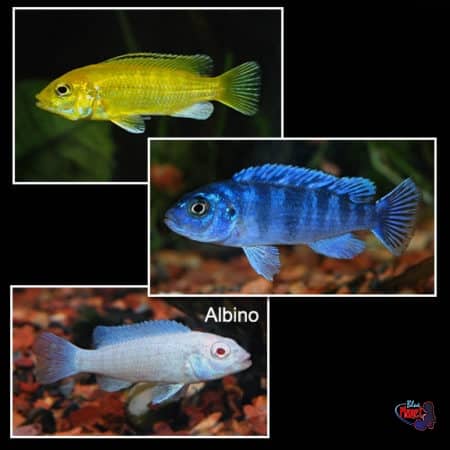
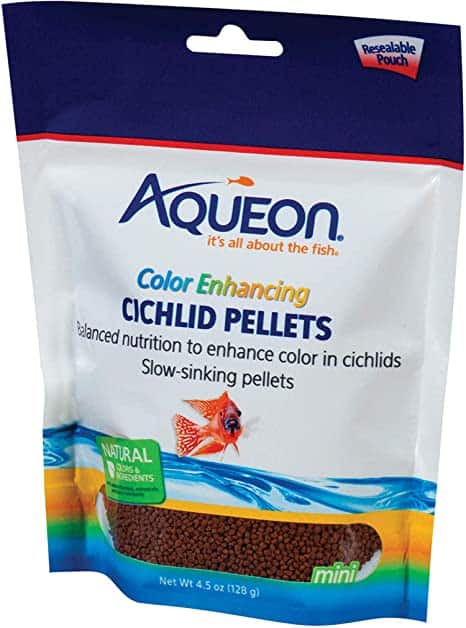
The best African cichlid food for color is a fresh, species-appropriate staple that contains natural carotenoids such as astaxanthin, krill, and spirulina. For mbuna, that means a spirulina-based food. For peacocks and haps, it means a krill- or fish-based pellet. Feeding the wrong type for a quick “color boost” can make fish sick, and no food will color up females or bullied males.

Pick by Group, Not by Label
“African cichlid” covers fish with very different diets. Start with what yours eat in the wild.
| Group | Natural diet | Best staple | Color ingredients to look for |
|---|---|---|---|
| Mbuna (yellow labs, zebras, demasoni) | Algae and the tiny animals living in it | Spirulina or veggie flakes and pellets | Spirulina, kelp, a little krill |
| Peacocks (Aulonocara) | Small invertebrates sifted from sand | Quality cichlid pellet | Krill, shrimp, astaxanthin |
| Haps | Invertebrates or small fish, depending on species | Higher-protein pellet | Krill, salmon, astaxanthin |
| Tropheus and other Tanganyikan grazers | Algae | Spirulina-based food | Spirulina, kelp |
Which Colors Can Food Improve?
Fish cannot make carotenoid pigments themselves, so their reds, oranges, and yellows depend on diet. Blues are different.
- Red, orange, and yellow: these respond well to food. Think yellow labs, red zebras, and the orange and red areas on many peacocks.
- Blue and metallic colors: these come from light-reflecting cells in the skin, not from diet pigments. Electric blue haps, demasoni, and cobalt zebras look best when they are healthy and settled.
- Sex and rank: in most peacocks and haps, only males color up, and a dominant male usually outshines the rest. A subdominant male may stay drab on any diet.
For a closer look at the science, see our guide to color-enhancing food for cichlids.
Good Foods for Mbuna Color
- Zoo Med Spirulina 20. A flake made with 20% spirulina and salmon fish meal, sold for African cichlids and other algae eaters.
- Cobalt Aquatics Spirulina Flakes. A spirulina-based flake for herbivorous fish, with added probiotics.
- Hikari Cichlid Excel. A floating pellet for plant-eating cichlids with spirulina, wheat germ, krill meal, and alfalfa. At least 35% protein.
- Repashy Super Green. An algae-based powder that you mix with hot water to make a gel. Grazers can pick at it the way they pick at rocks.
Good Foods for Peacock and Hap Color
- NorthFin Cichlid Formula. Krill meal first, then herring and sardine meals, kelp, spirulina, and added astaxanthin. At least 40% protein, with no artificial pigments or hormones.
- Omega One Super Color Cichlid Pellets. A sinking pellet led by salmon and whole herring. At least 42% protein.
- Omega One Cichlid Flakes. Salmon and whole herring first, with kelp and spirulina. At least 39% protein. A good choice for juveniles.
- Hikari Cichlid Gold. A well-known color pellet in floating and sinking versions. It suits meat-leaning species better than mbuna.
Label details change, so check the package you buy. If your fish are still small enough for flakes, our guide to the best flake food for African cichlids compares the main options.
Feeding a Mixed Malawi Tank
Many tanks hold mbuna, peacocks, and haps together. Most keepers handle this by feeding for the most sensitive fish:
- Make a spirulina or veggie-based food the staple.
- Offer a krill-based pellet as a smaller share of the diet.
- Skip very rich foods altogether.
Foods to Skip
- Beef heart and other mammal meat. Not suitable for African cichlids.
- Frequent bloodworms or tubifex for mbuna. Rich, high-protein foods are widely linked with Malawi bloat in grazers.
- Feeder fish. They can bring disease into the tank.
- “Color” foods with no pigment source on the label. If you cannot find astaxanthin, krill, shrimp, salmon, spirulina, or marigold in the ingredients, the claim is just marketing.
A Simple Feeding Routine
- Feed two small meals a day.
- Offer only what the fish finish in a minute or two.
- Give grazers fresh greens such as cucumber, spinach, or softened lettuce a few times a week.
- Add frozen mysis, brine shrimp, daphnia, or krill as an occasional extra, more often for peacocks and haps than for mbuna.
- Keep dry food sealed, cool, and dark, and replace it every few months.
Expect color to build gradually over several weeks.
Color Is More Than Food
- Water. Rift Lake cichlids need hard, alkaline water. Regular water changes keep waste low and colors strong.
- Territory. Plenty of rockwork gives each fish a place to claim and a place to hide.
- Stocking. The right numbers and male-to-female ratios spread aggression so more fish show color. For peacocks, see our article on food for African peacock cichlids.
- Background. Many keepers find colors look deeper over dark sand and a dark background.
When Fading Color Means Trouble
A fish that suddenly loses color, hides, or stops eating may be stressed or ill. Test the water and watch for bullying first. A swollen belly, stringy white droppings, or refusing food can point to Malawi bloat, which needs fast action. Contact an aquatic veterinarian or an experienced fish store right away.
This article is general information, not veterinary advice.
Bottom Line
Feed mbuna a spirulina-based staple and feed peacocks and haps a krill- or fish-based pellet with natural astaxanthin. Keep meals small, the food fresh, and the water clean. Reds, oranges, and yellows will deepen over a few weeks, and healthy, settled fish will show their best blues without any help from the food.