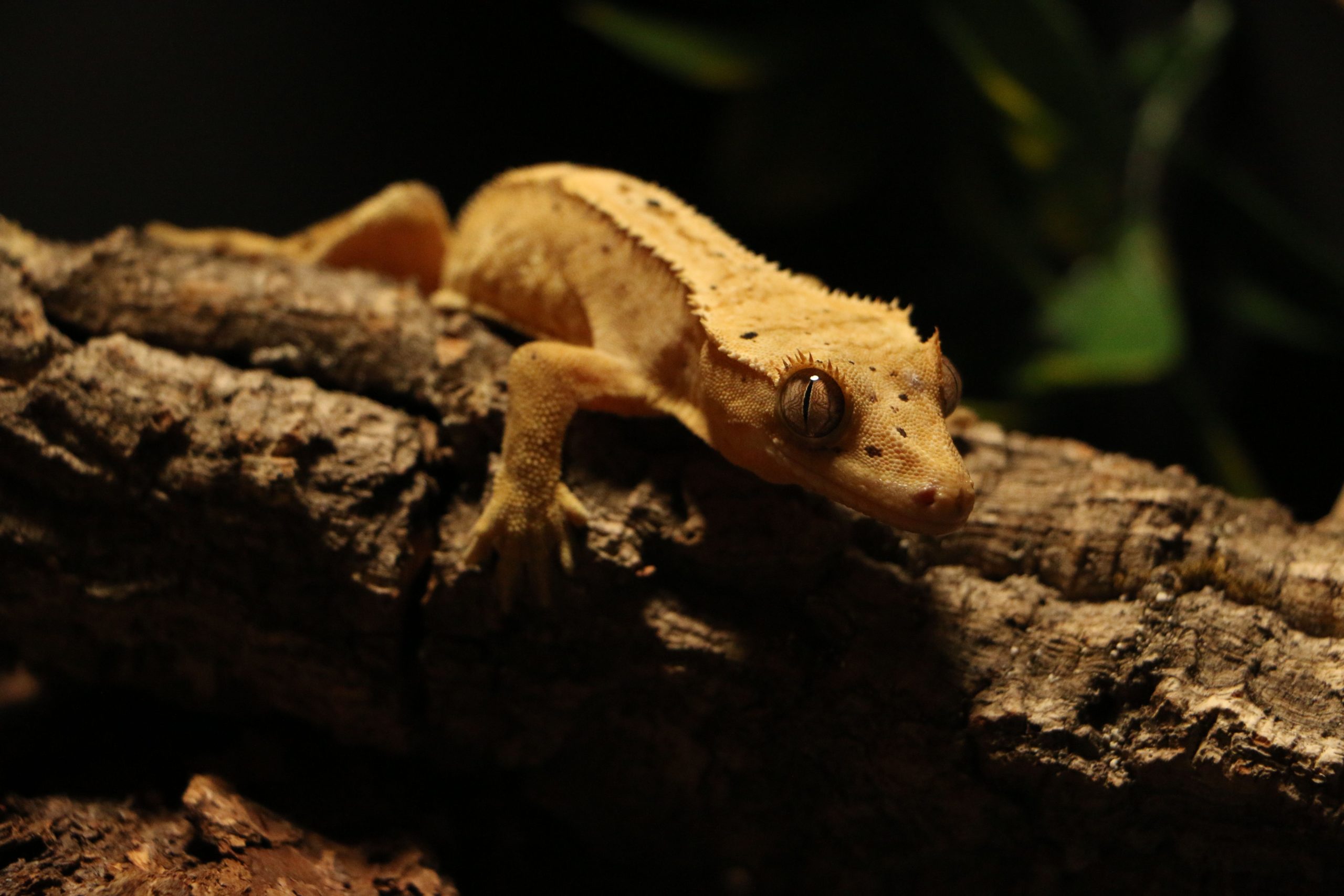
Some reptile keepers add a tiny pinch of bee pollen to crested gecko food or to feeder-insect gut-load, but it is an optional extra, not a requirement, and it is not proven to improve a gecko’s health. Treat it as a flavor booster at most, never a replacement for a complete gecko diet.

What bee pollen is
Bee pollen is a mix of flower pollen and nectar that bees pack into granules. It contains protein, carbohydrates, and small amounts of vitamins and minerals. Claims about “superfood” benefits are common, but there is little controlled research in reptiles.
Why keepers use it
- Appetite: its strong smell and flavor may tempt a picky gecko.
- Gut-loading: a bit of ground pollen can be added to the feed you give to crickets or roaches.
- Variety: some complete gecko diets already contain a small amount of pollen.
Risks to consider
- Pollen can trigger allergic reactions in some people, so wear gloves or wash your hands if you are sensitive.
- Products with added honey, sugar, or preservatives are not suitable.
- Too much can unbalance the diet or lead to loose droppings.
- Buy human-grade pollen from a trusted source, because pollen can be contaminated with pesticides or mold.
How to use it, if you decide to
- Grind the granules to a fine powder.
- Stir a pinch (about 1/8 teaspoon for a normal dish) into the mixed gecko diet, once or twice a week.
- Watch your gecko’s droppings and appetite. Stop if anything changes.
What matters more
A complete gecko diet mixed with water, regular gut-loaded insects, clean water, and proper temperature and humidity matter far more than any supplement. See our guide on preparing crested gecko food at home and the notes on jelly pots for reptiles for other optional extras.
Bottom Line
Bee pollen is optional. If you try it, use a small pinch of clean, plain pollen and keep the core diet complete. Ask a reptile vet before using it with a sick, very young, or breeding gecko.
This article is general information, not veterinary advice.