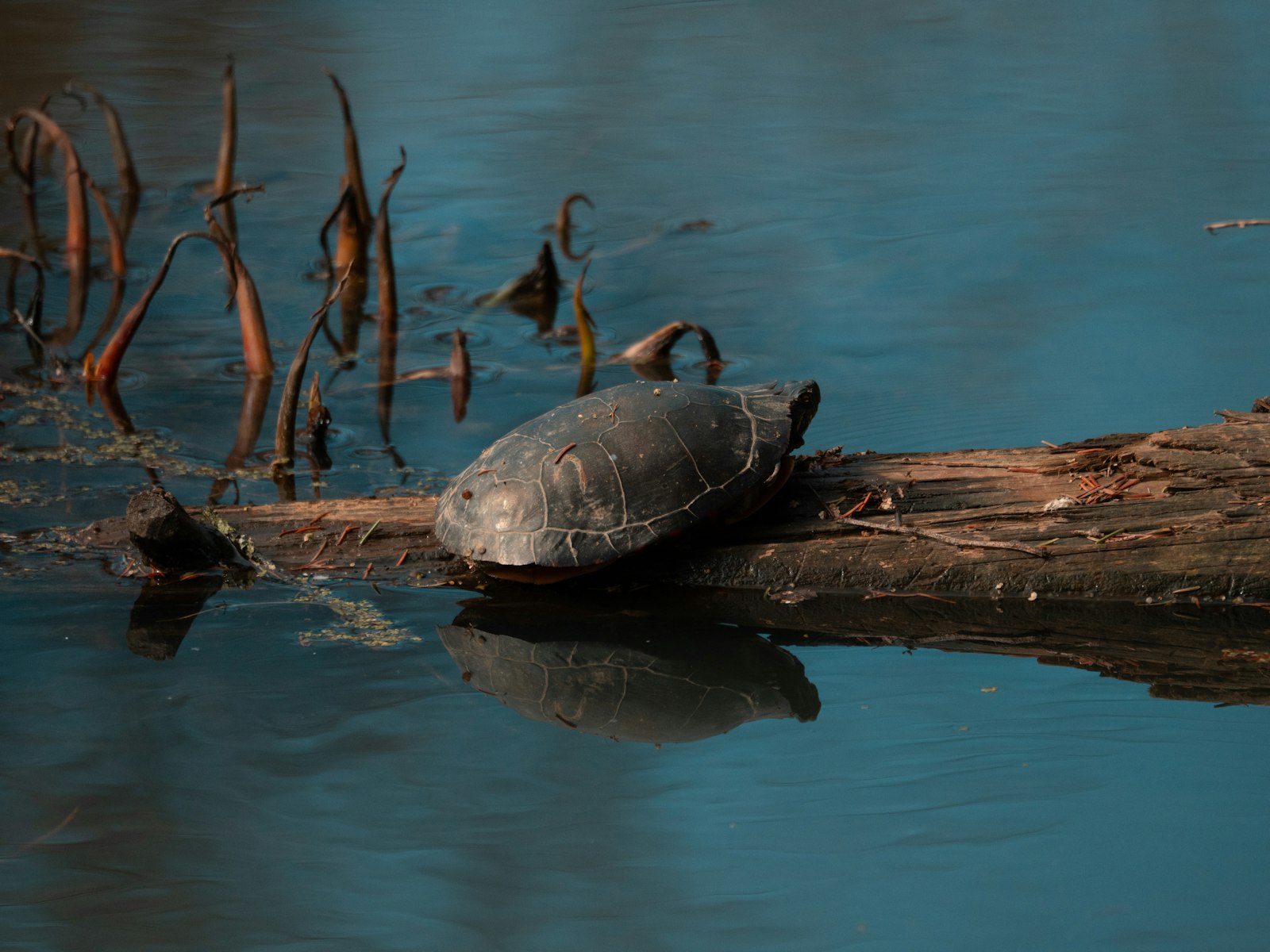
Turtles can eat many vegetables. The best choices are dark leafy greens like dandelion, collards and mustard greens, plus squash and shredded carrots. Limit spinach and chard, and skip rhubarb entirely.

Best Everyday Vegetables
- Dandelion greens and flowers
- Collard greens and mustard greens
- Endive, escarole and romaine
- Turnip greens
- Butternut or acorn squash (grated or cooked soft)
- Shredded carrots, in moderation
Occasional Vegetables
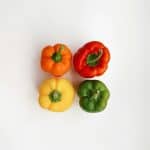
- Green beans and bell peppers
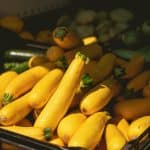
- Zucchini and cucumber
- Kale, a few times a month, because it can interfere with calcium absorption when overfed
Limit or Avoid
- Spinach, chard and beet greens: high in oxalates that bind calcium.
- Iceberg lettuce: little nutrition.
- Rhubarb leaves: toxic.
- Onions and garlic: not recommended.
- Avocado: toxic to many animals; skip it.
How to Serve Vegetables
Wash everything well, chop to bite size, and for aquatic turtles drop leafy greens into the water or clip them to the tank wall. Remove leftovers after a few hours. Hard vegetables like squash and carrots should be grated or cooked until soft.
How Much?
Adult omnivorous turtles can get about half their diet from plants, while carnivorous species eat very few. Juveniles need more protein. Always combine vegetables with a balanced turtle pellet. Learn more in what plants turtles eat.
Bottom Line
Stick to dark leafy greens, offer variety, and rotate in squash and carrots. Avoid toxic and high-oxalate foods.
General information, not veterinary advice. Ask your reptile vet if your turtle has special dietary needs.