How to Stop Cows From Eating Your Plants
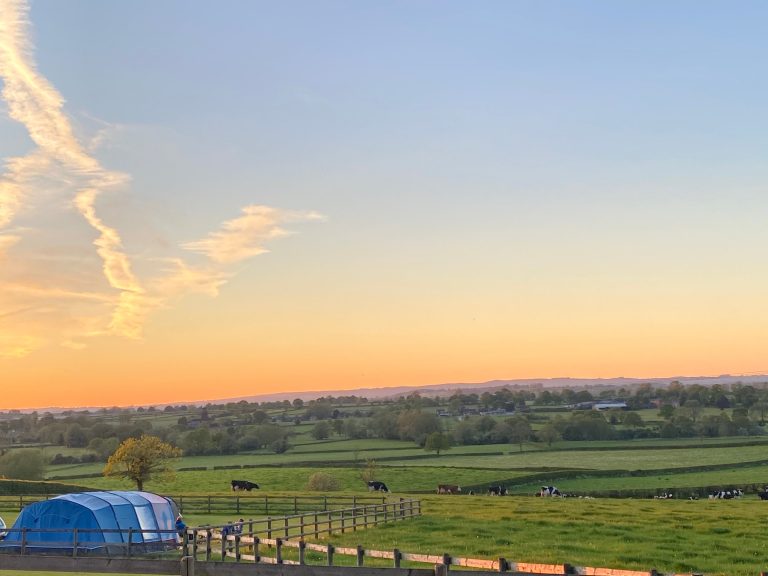
The only reliable way to keep cows out of your plants is a strong physical barrier, ideally a sturdy fence with an electric wire. Here is what works, what does not, and which plants are dangerous for cattle.
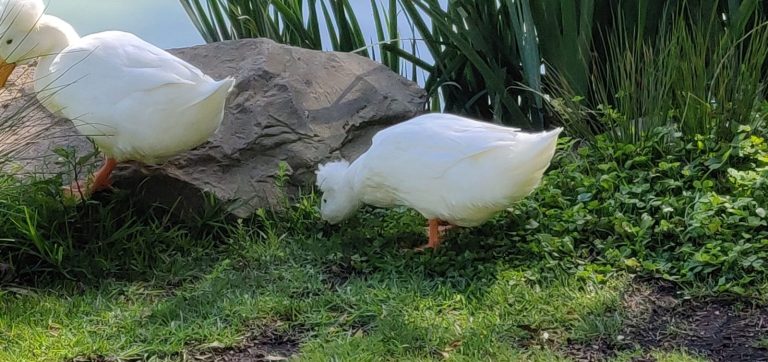
Ducks can eat a little soaked alfalfa, but it should not replace balanced duck feed. Here is how much to offer and what to feed instead.
Anipro is a molasses-based liquid supplement for grazing beef cattle. Here is what it contains, which claims are the company’s own, and how to decide if it suits your herd.
A practical pregnant cow feeding chart: forage, protein and energy by stage of pregnancy, body condition, minerals and water.
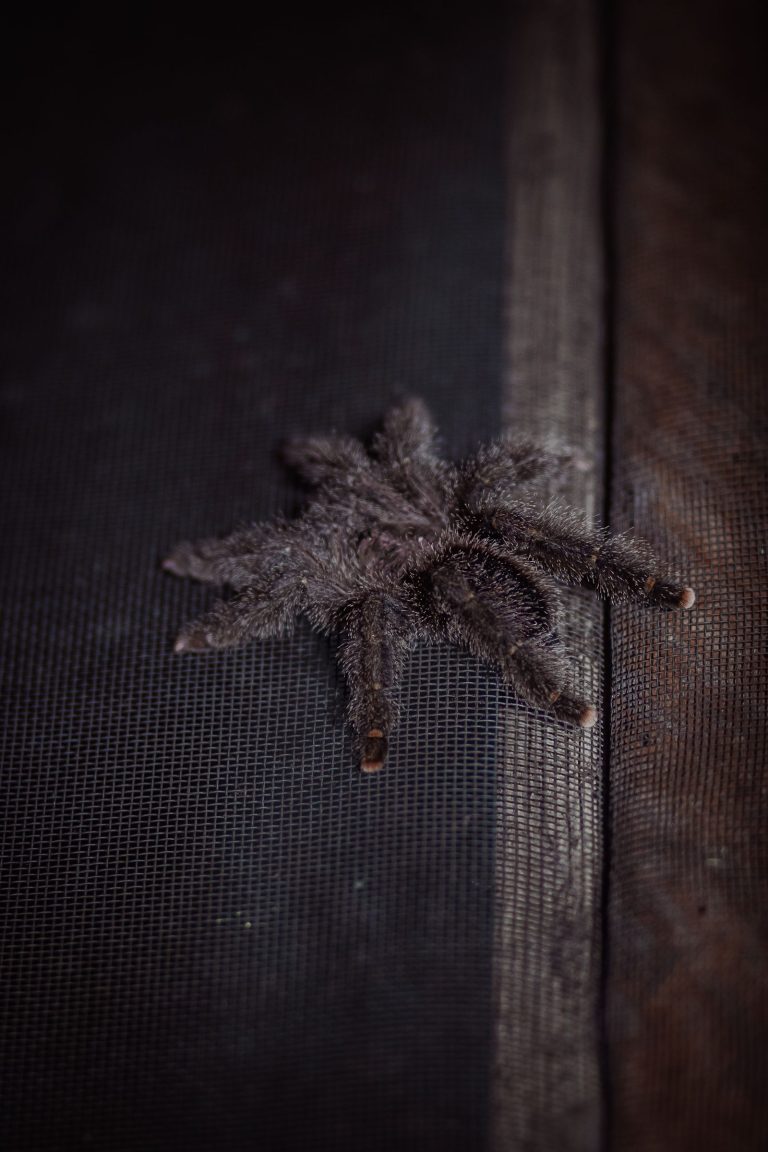
Cobalt blue tarantulas eat live crickets and roaches. Here is how often to feed them, what size prey to use, and what to do around a molt.
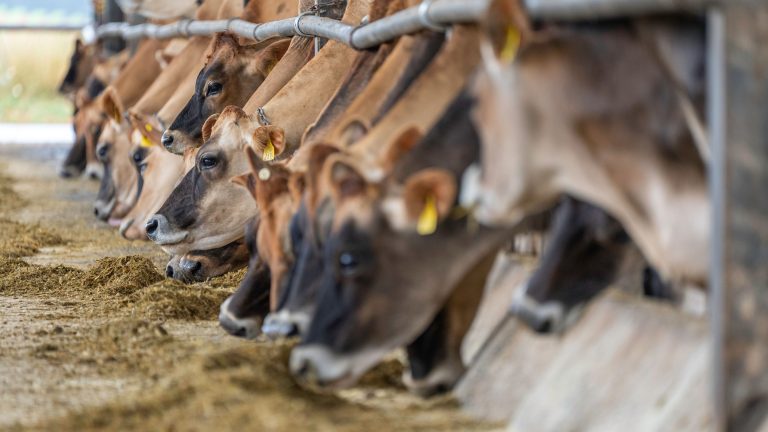
How much silage a cow needs depends on her size, her job (dairy, beef, dry) and how wet the silage is. Here is how to work out a safe daily amount.
Cows can eat clover hay if it is dry and mold-free. Learn the benefits, risks like bloat and moldy sweet clover, and how to feed it safely.
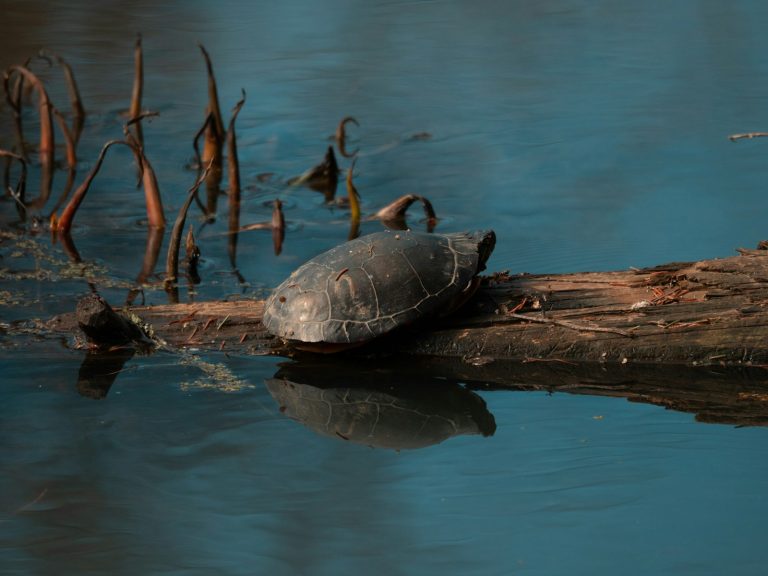
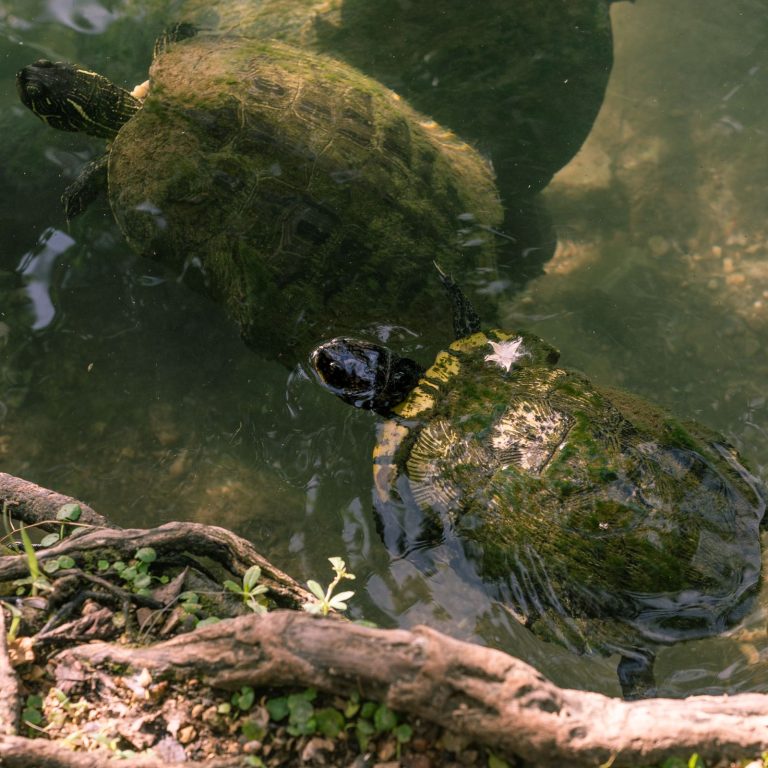
African sideneck turtles eat insects, snails, worms, small fish and turtle pellets. Here is a simple feeding plan with portions and foods to avoid.
Snake-necked turtles are carnivores. They eat fish, tadpoles, insects, worms and shrimp. Here is what to feed a pet one and how often.
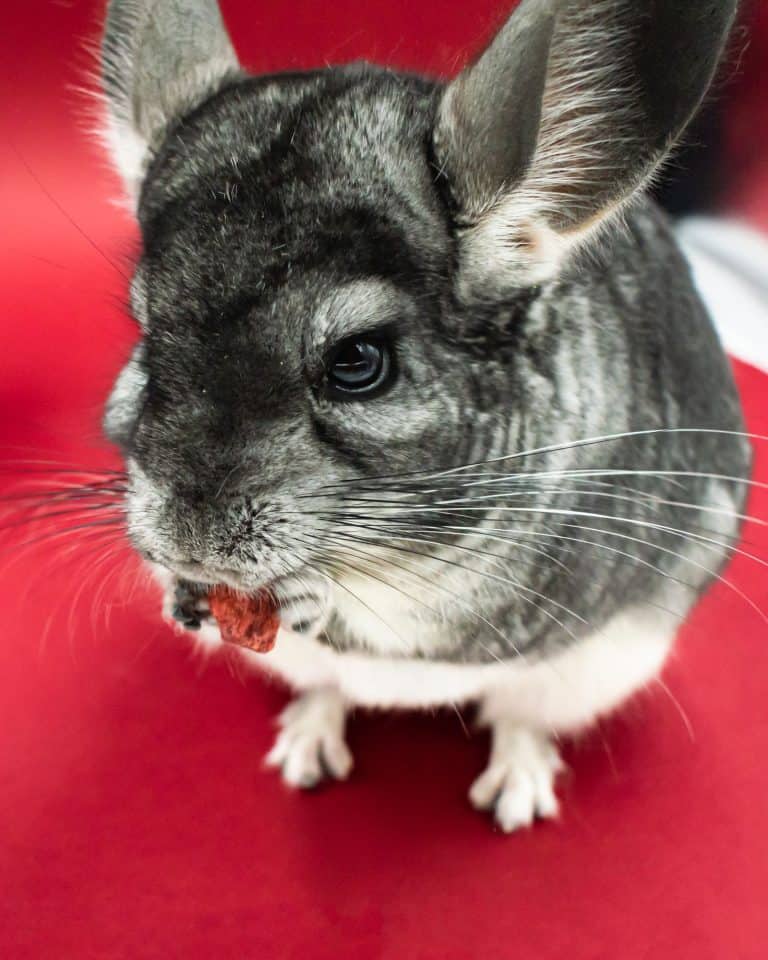
The best chinchilla treats are dry, plain, and tiny. See which treats are safe, which to skip, and how many your chinchilla can have.