What Do Blue Racer Snakes Eat?
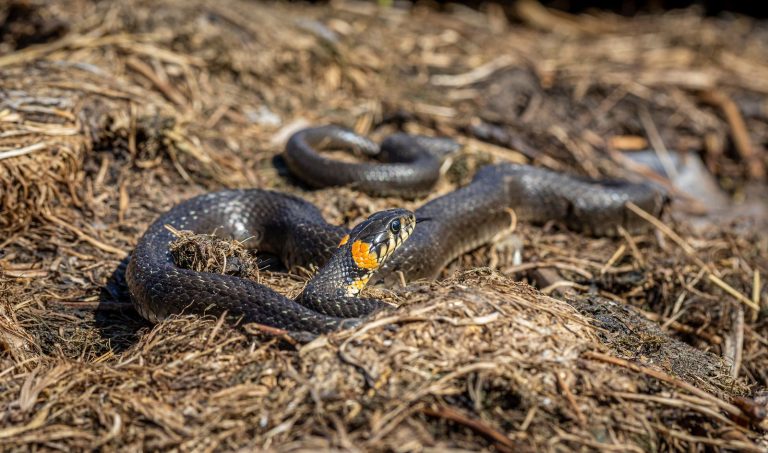
What blue racer snakes eat: insects, frogs, lizards, rodents and smaller snakes. Plus whether they are dangerous and why you should leave them in the wild.

 Mary Nielsen
What blue racer snakes eat: insects, frogs, lizards, rodents and smaller snakes. Plus whether they are dangerous and why you should leave them in the wild.
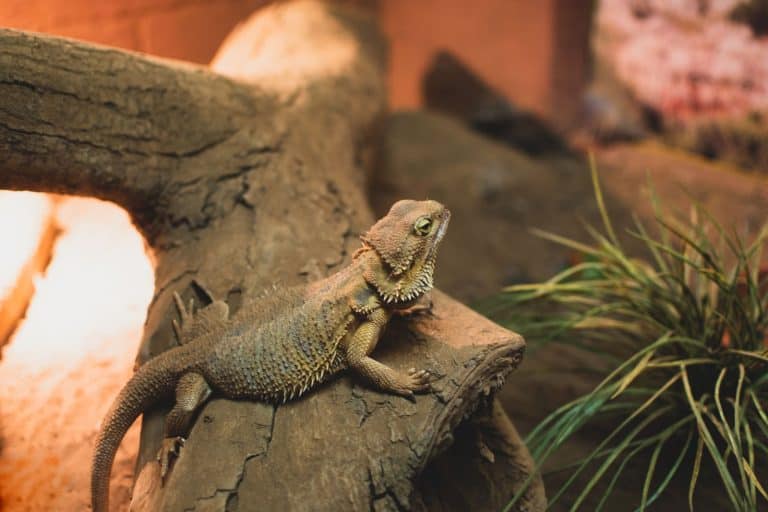
What to feed a pygmy (dwarf) bearded dragon: insects for babies, salads for adults, and what to avoid.
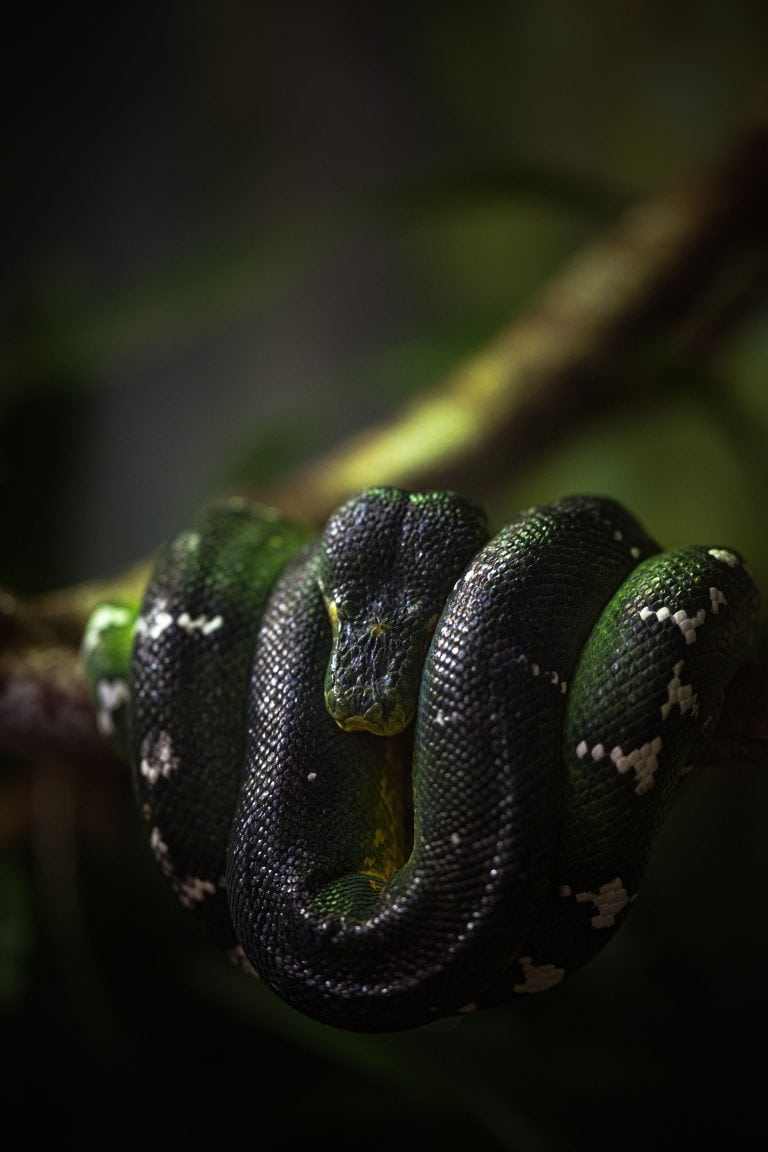
What Amazon rainforest snakes eat: anacondas, boas, tree boas, lanceheads, coral snakes, and vine snakes, with their main prey from fish and caiman to frogs, lizards, and rodents.
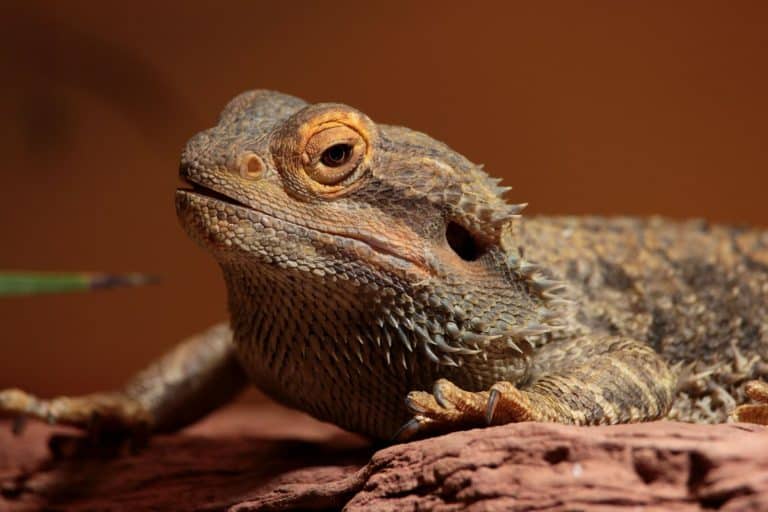
Olive oil is not a safe laxative for bearded dragons. Learn the signs of impaction and when to call a reptile vet.
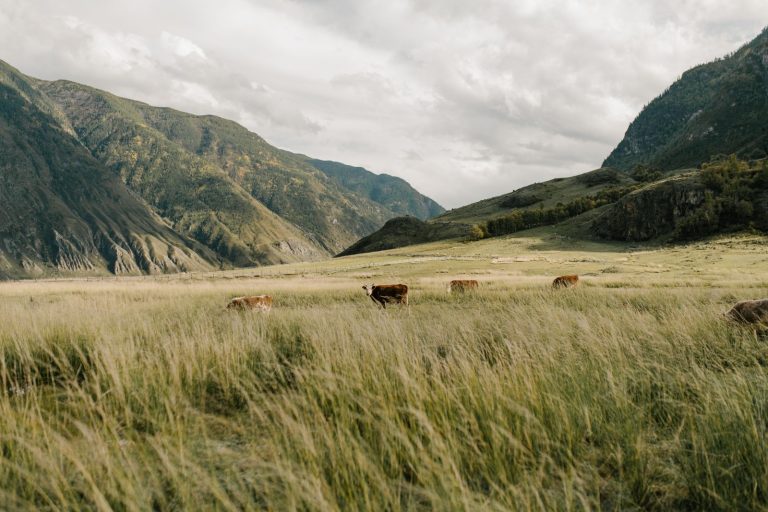
Triticale, a wheat and rye cross, makes good cool-season hay and silage. Harvest timing, awns, nitrates, and which beef cows it suits.
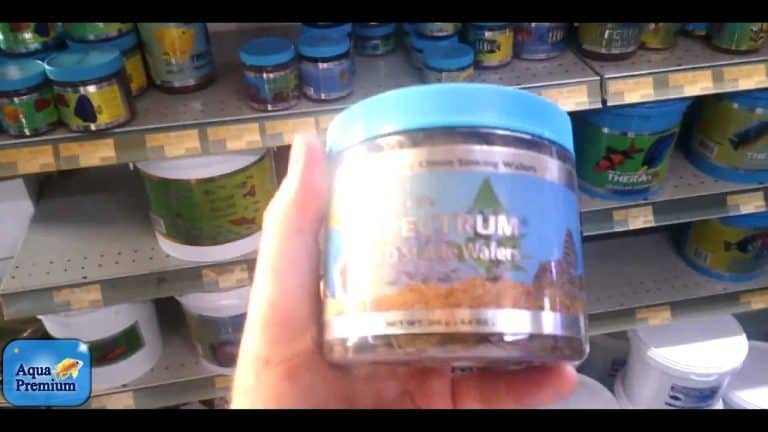
Thinking about Purina sinking catfish food? Here is what to look for in a sinking pellet, how much to feed, and how to store it so it stays fresh.
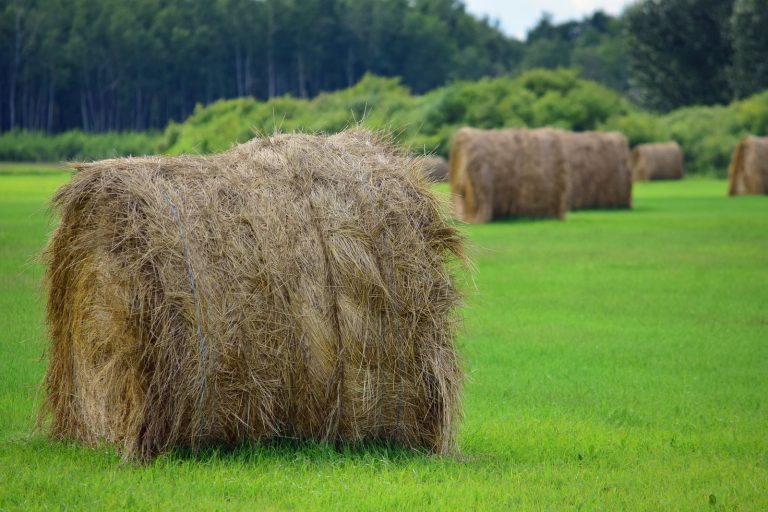
Brome hay can be a palatable, dependable cattle forage when cut early. Here is how timing, testing and supplementing affect its value.
Tiger shovelnose catfish are big predators. Learn what to feed them, how often, and what to avoid, from frozen shrimp to sinking carnivore pellets.
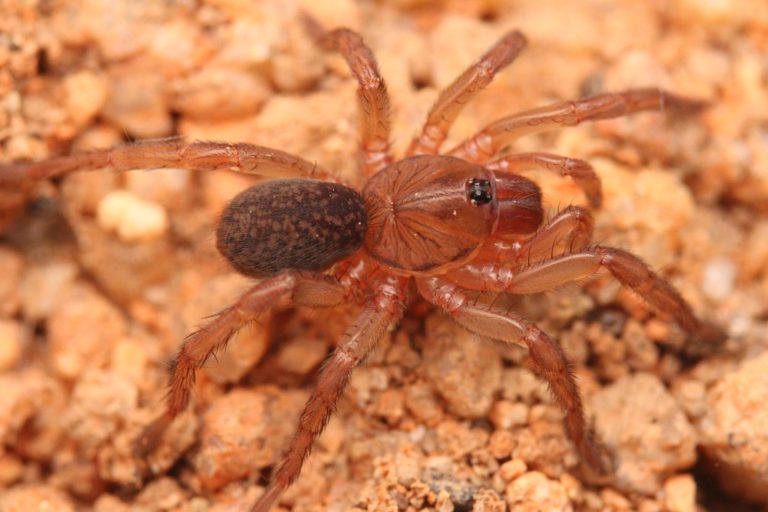
Trapdoor spiders ambush beetles, crickets, ants, millipedes, and other spiders from a silk-lined burrow with a hinged lid. Learn how they hunt and how long they live.
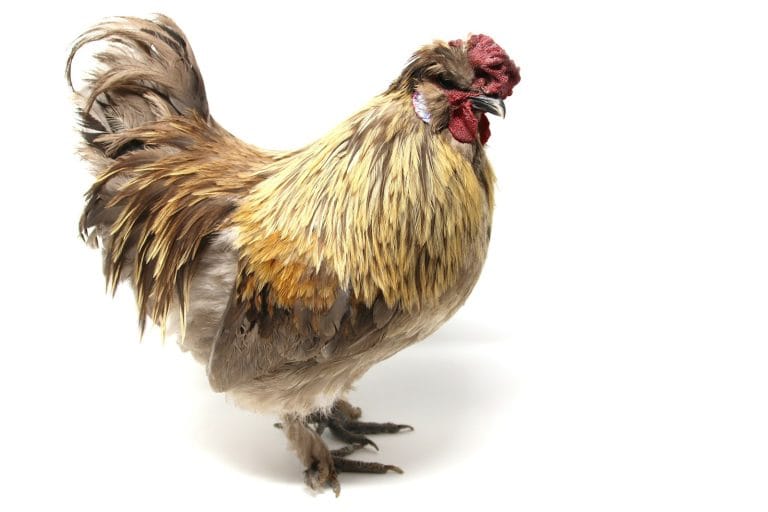
There is no magic game chicken feed. Pick a complete poultry feed for your birds’ species and age, and keep corn as a small treat.