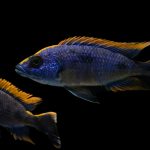
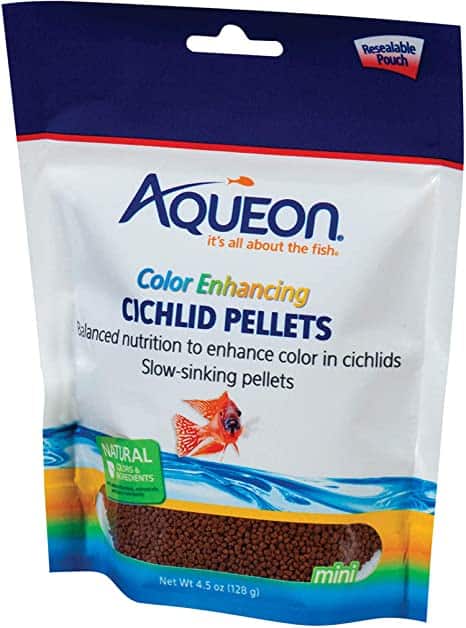
The best food for Malawi cichlids depends on the type you keep. Mbuna, the rock-dwelling algae grazers, need a high-fiber, plant-based pellet or flake such as a spirulina formula, while larger predatory Malawi cichlids such as peacocks and haps do better on a higher-protein diet. For all of them, feed small portions once or twice a day, and choose a quality cichlid pellet as the staple.

Know which Malawi cichlid you have
- Mbuna: Mostly herbivores that graze on algae and the small organisms living in it. They need lots of fiber and relatively little protein. Too much meaty food can lead to bloat.
- Peacocks and haplochromines (haps): Open-water species that eat more insects and small crustaceans. They do well on a staple with more protein, plus frozen foods.
If you keep a mixed tank, choose a balanced cichlid food made for herbivores and omnivores, and feed meaty items only in small amounts.
Best staple foods
- Cichlid pellets: Look for a sinking or slow-sinking pellet where the first ingredients are whole fish or fish meal and algae such as spirulina, not corn, wheat or soy fillers. Pick a size your biggest fish can swallow.
- Cichlid flakes: Good for smaller fish and juveniles. See our guide to the best flake food for African cichlids.
- Color-enhancing foods: Foods that include natural pigments such as astaxanthin can help bring out reds and yellows. Read more in best African cichlid food for color.
Vegetables and frozen foods
- Blanched vegetables: Spinach, zucchini, cucumber, romaine lettuce and shelled peas, softened in boiling water for a minute and then cooled. Remove uneaten pieces after a few hours.
- Frozen foods: Brine shrimp, mysis and daphnia are good treats for haps and peacocks, offered once or twice a week. Our guide to the best frozen food for African cichlids has more.
- Foods to avoid: Beef heart, mammal meat, fatty foods and large amounts of high-protein foods. They are hard for cichlids to digest and can contribute to bloat and liver problems.
How much and how often
Feed only as much as your fish finish in about a minute or two. Most adult Malawi cichlids do well with one or two small feedings per day, and many keepers skip one day a week to give the digestive system a break. Overfeeding fouls the water and is a common cause of health problems.
If you have a crowded tank, spread the food across the surface so that dominant fish do not guard the feeding area.
Signs of a feeding problem
- Swollen belly, stringy white droppings or fish that stop eating can be signs of illness or a poor diet.
- Persistent cloudy water after meals usually means you are feeding too much.
If a fish seems sick, test your water, make a partial water change and ask a fish-savvy vet or a trusted aquarium store about treatment.
Bottom Line
Use a quality spirulina-based cichlid pellet as the staple, add blanched vegetables for mbuna and a few frozen foods for carnivorous species, and keep feedings small. Match the diet to the species and avoid fatty meats.