Betta fish can eat flake food, but you need to make sure it’s the correct kind. Tropical fish flakes don’t contain enough protein for Bettas so instead, opt for specialist betta flakes instead.

Frozen treats like mosquito larvae, bloodworms and brine shrimp are popular options for bettas. Not only do they give your fish variety but they’re also great ways to keep them healthy and well-fed.
Contents
Choosing the Right Flakes
Betta fish are carnivores and require a high level of protein to remain healthy. This is why betta fish often become ill if fed only pellet or flake foods that lack crude protein content.
Betta fish foods that are specifically tailored to bettas contain higher crude protein contents than other types of food and are usually designed with natural coloration in mind.
Flakes come in a variety of varieties, each tailored to specific species and breeds. Examples include tropical flakes for non-carnivorous tropical fish and marine flakes designed specifically for saltwater fish.
Flakes are convenient, but they can also be messy and cause build-ups on the bottom of your tank. These buildups could disrupt water parameters or even pollute the aquarium. Pellets on the other hand are much less messy and don’t cause this type of issue.
Nutritional Value
Bettas tend to be carnivores, so it’s essential that they get enough protein from their food sources. Furthermore, since these animals tend to be picky eaters, offering them a variety of foods will ensure that they get all the essential nutrients.
Flakes are an easy and convenient option for feeding your betta. They tend to be high in protein as well as providing essential vitamins and minerals your betta needs to live a long and healthy life.
Pellets are another great option and come in various sizes and flavors. They’re especially beneficial for bettas who don’t enjoy flake foods.
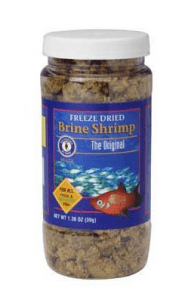
Freeze-dried foods are an excellent alternative to flakes and pellets. These start as live foods that have been processed to remove all moisture before freezing.
Dry or freeze-dried food is a good option, though it’s difficult to know exactly how much your betta fish requires. Excess food may expand in your fish’s gut and lead to constipation; therefore, be mindful when providing them with this type of nutrition.
Feeding Frequency
Betta fish need to be fed small amounts of food twice or more daily in order to maintain their digestive system in check. This is an essential part of keeping bettas healthy and contented!
As a general guideline, feed your betta an amount of about 1.8 grams daily. However, this amount may differ depending on the type of food you feed them.
It is essential to remember that overfeeding your betta can have detrimental effects on their health and the water quality in your tank. Excess food will rot in the tank and decompose, increasing levels of nitrites and ammonia.
This can lead to the accumulation of bacteria which could be hazardous for your betta and the rest of the tank ecosystem. Therefore, only feed your betta the recommended daily amount and remove any leftover food items.
Storage
Bettas are carnivorous fish that require a high protein diet to stay healthy. At your local pet store, you can find several high quality betta pellets; however, be sure to read the label first!
Some flakes and pellets contain fillers with no nutritional value, so it’s essential to choose the best food for your betta. You can also make your own betta pellets at home to have control over what your fish eat.
Another option is purchasing freeze-dried foods. This makes a great treat for your betta as it’s cost effective and easier to store. Freeze-dried bloodworms, brine shrimp and Gammarus shrimp are all excellent choices.