Can You Feed Chicken Feed to Cattle?
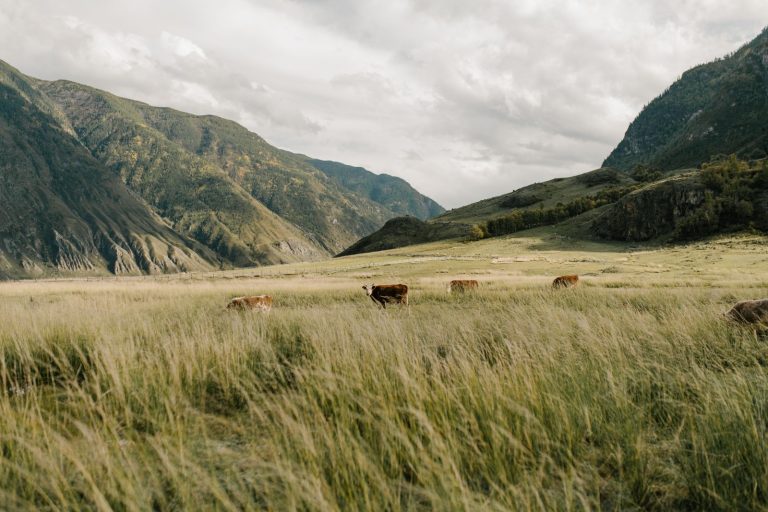
Chicken feed isn’t made for cattle. A little unmedicated feed won’t hurt a cow, but here’s why layer feed, medicated feed, and routine feeding are poor choices.

Chicken feed isn’t made for cattle. A little unmedicated feed won’t hurt a cow, but here’s why layer feed, medicated feed, and routine feeding are poor choices.
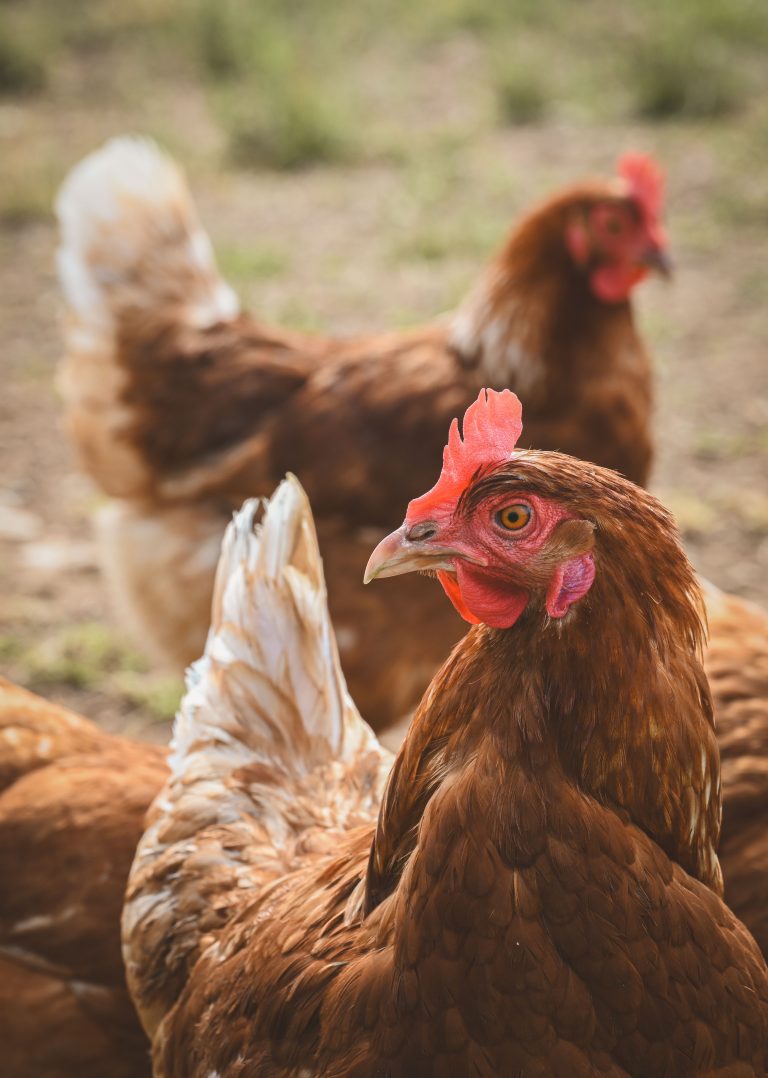
Can chickens eat wheat? Yes. It’s a safe, energy-rich grain that works best as a supplement to a complete feed. Learn how much to offer.

What to feed Pekin ducks at every age: starter, grower, and adult waterfowl feed, safe treats like greens and peas, foods to avoid, and the niacin ducklings need.
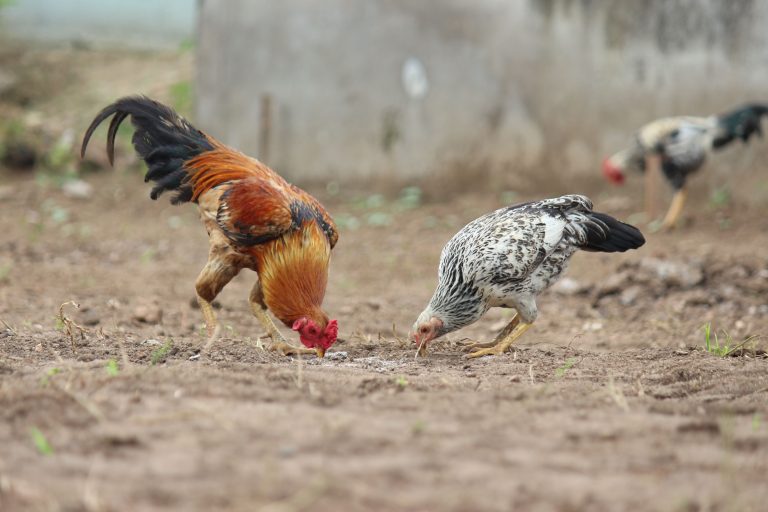
Soaking chicken feed softens it, cuts waste and may help digestion. Here’s how to soak or ferment feed safely, what it does and doesn’t do, and mistakes to avoid.
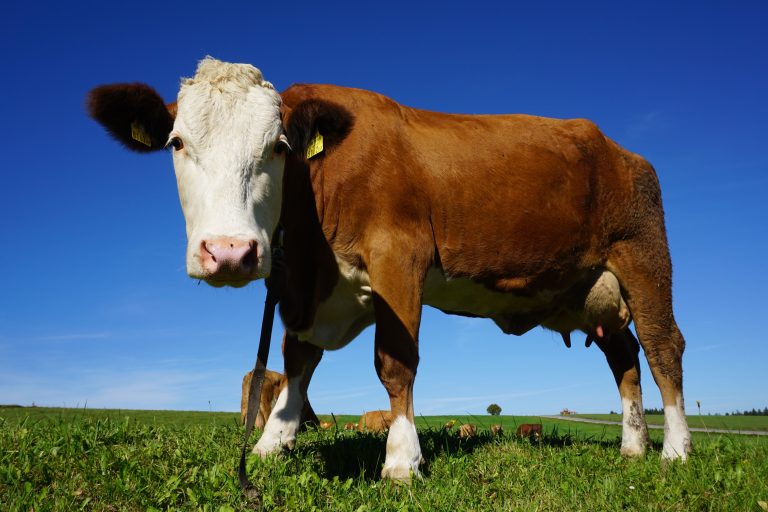
How to feed beet pulp to cattle: dried versus wet pulp, how much to include in the ration, how it compares with corn for energy, storage, and the cautions about choking and minerals.
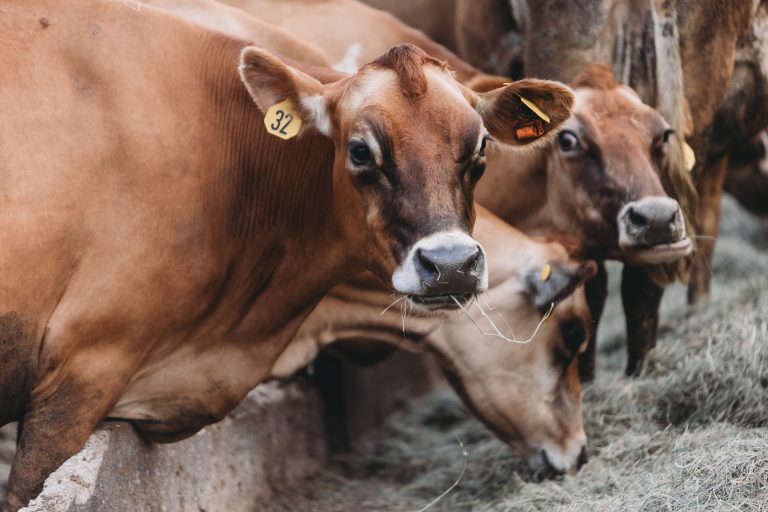
Cows avoid some plants because they are bitter, spiny or toxic. Here is how that helps with fencing and gardens, and why many of them are dangerous.
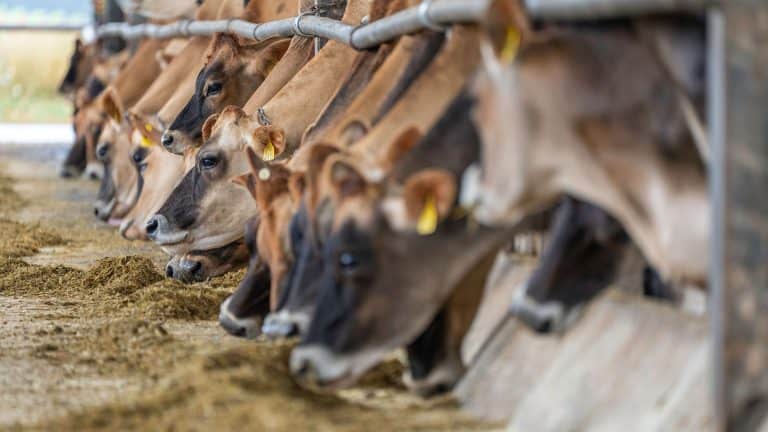
Beet pulp is a digestible fiber feed that can replace some corn in dairy rations. Learn the benefits, the cautions (low protein, high calcium) and how to feed it.

Chicken crumble is pelleted feed broken into small, coarse pieces. Learn how it compares with pellets and mash, and which crumble fits chicks, growers, and layers.
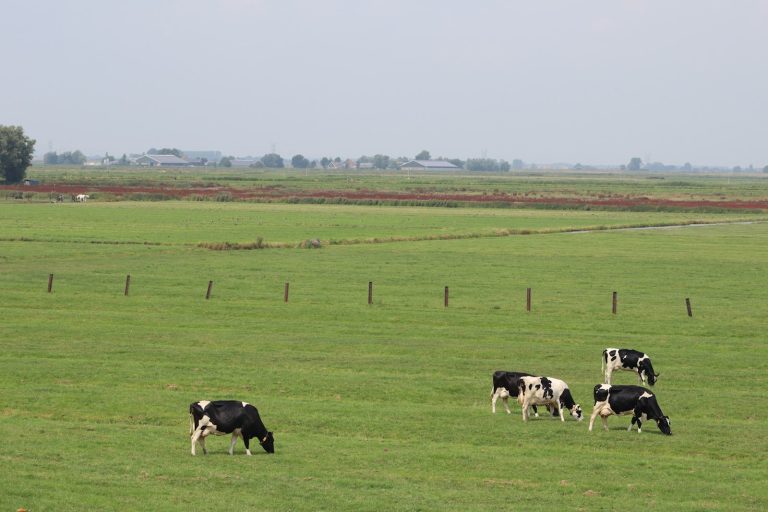
For most cattle, any consistent schedule works. For beef herds that are calving, feeding late in the day or at night can shift more calves to daylight hours.
Beet pulp is a fiber-rich energy feed worth about 85 to 95 percent of corn. Learn how much to feed cattle, how to soak it and what to watch for.