What Do Teddy Bear Bees Eat?

What teddy bear bees eat: nectar and pollen, how they feed their young, and how to attract these fuzzy buzz-pollinators.

What teddy bear bees eat: nectar and pollen, how they feed their young, and how to attract these fuzzy buzz-pollinators.
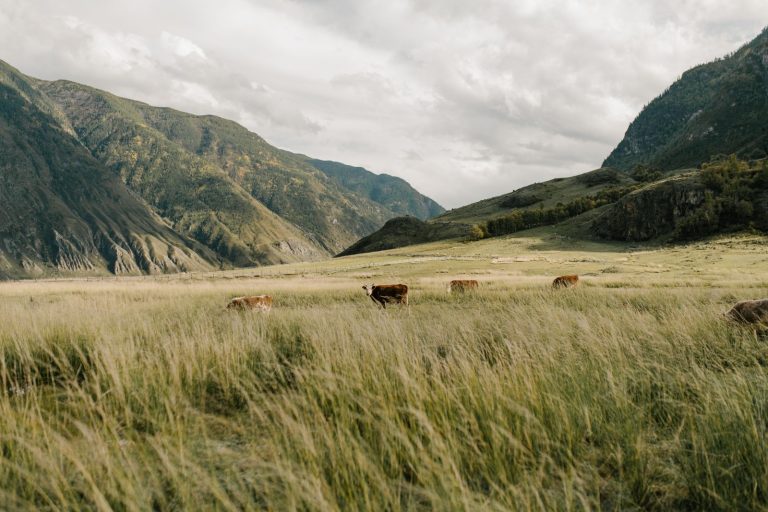
How triticale grain, silage, and pasture compare as cattle feed: protein, energy, processing, acidosis risk, and ergot.
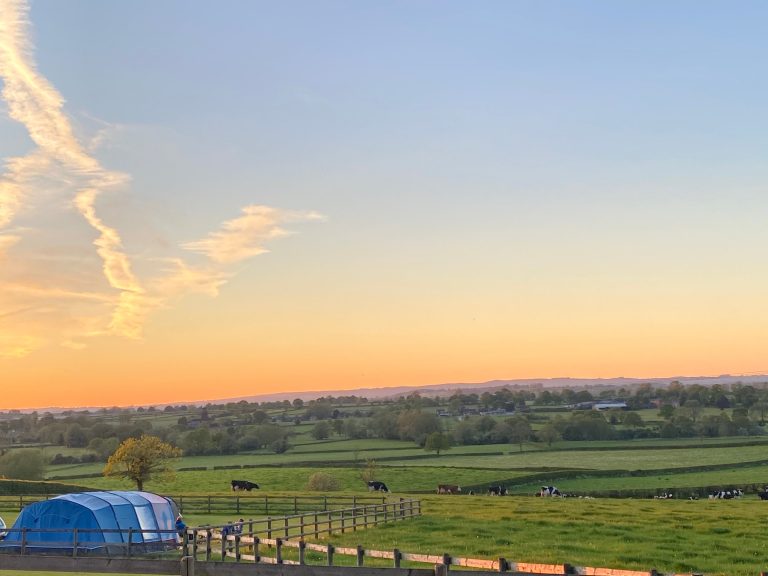
The only reliable way to keep cows out of your plants is a strong physical barrier, ideally a sturdy fence with an electric wire. Here is what works, what does not, and which plants are dangerous for cattle.
Anipro is a molasses-based liquid supplement for grazing beef cattle. Here is what it contains, which claims are the company’s own, and how to decide if it suits your herd.
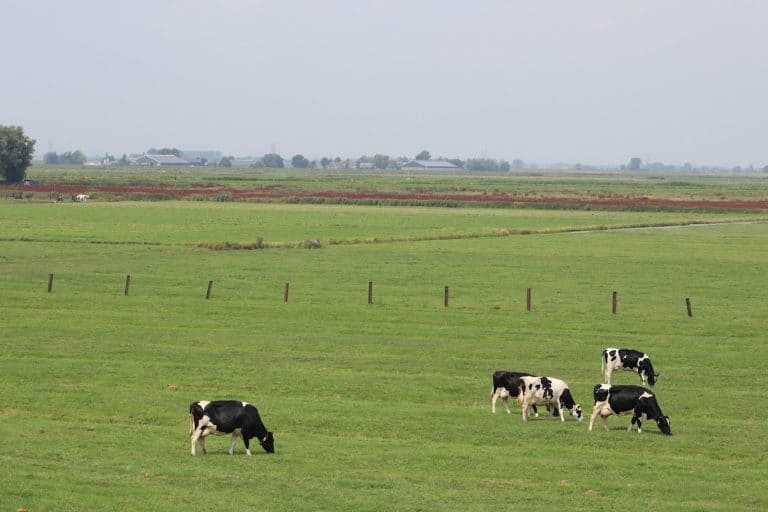
A practical pregnant cow feeding chart: forage, protein and energy by stage of pregnancy, body condition, minerals and water.
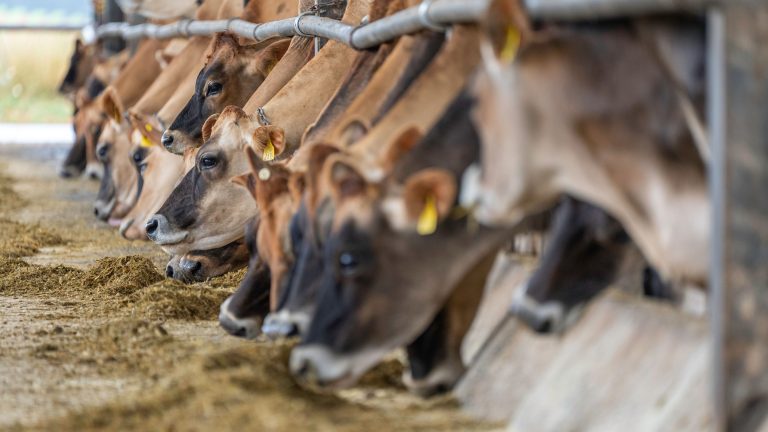
How much silage a cow needs depends on her size, her job (dairy, beef, dry) and how wet the silage is. Here is how to work out a safe daily amount.
Cows can eat clover hay if it is dry and mold-free. Learn the benefits, risks like bloat and moldy sweet clover, and how to feed it safely.
To put weight on cows, treat worms and teeth first, feed the best forage you can, and add cubes, beet pulp or grain slowly. Here is the full plan.
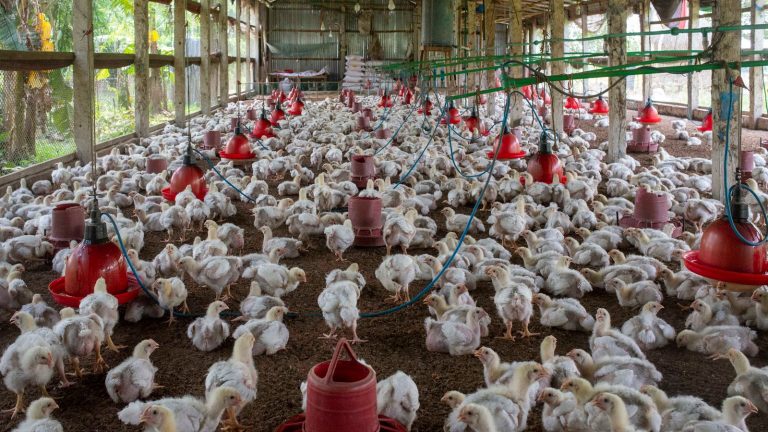
Chicken finisher feed is the last-stage ration for meat chickens. Learn when to switch, what it contains and why layers should not eat it.
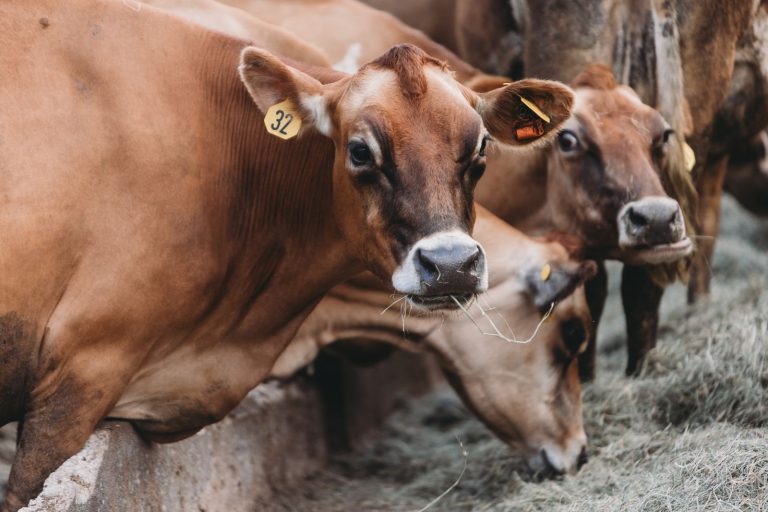
Yes, cows can safely eat plain, fresh pumpkins. Here is how to feed them, how much is reasonable, and what to avoid.