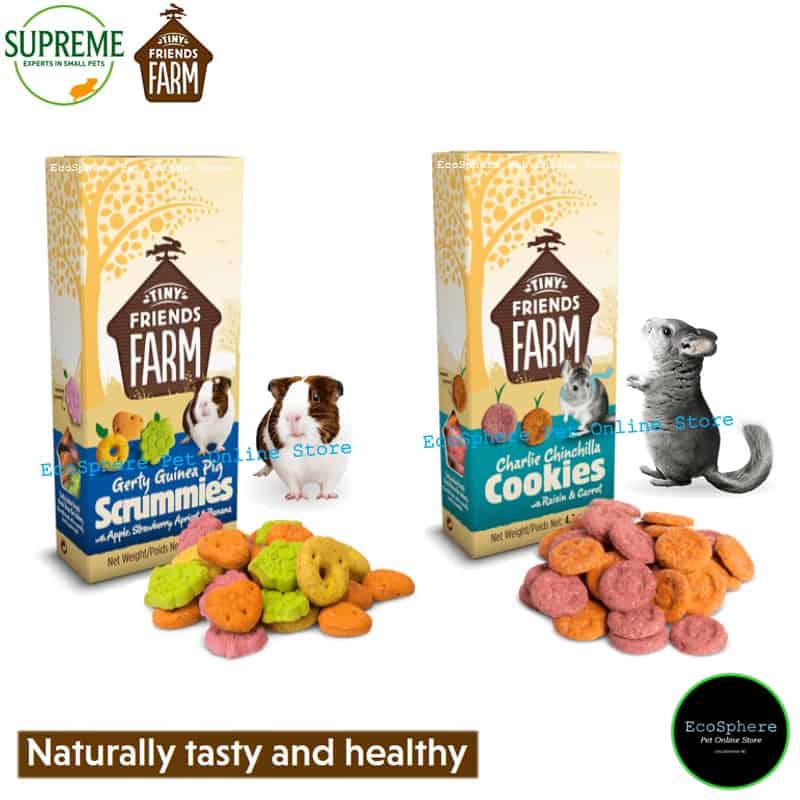
There are several treats available for chinchillas, but you should know which ones are safe to give them. This article lists a few healthy treats for your pet and warns about some dangerous choices. We also talk about some of the worst treats you should never give your chinchilla. So, how do you pick the right treats? Keep reading! Here are the Top 5 Healthy Treats For Chinchillas

Healthy chinchilla treats
Providing healthy chinchilla treats can be a fun way to bond with your pet. These treats are also high in important vitamins and minerals for chinchillas. Avoid giving chinchillas fruits, vegetables, and other sugary snacks. Fruits and vegetables are high in sugar and contain a lot of water, which is bad for chinchillas. It can cause diarrhea.
When choosing what to feed your pet, look for items that are low in sugar or fat. Dried rose hips are a good choice for chinchillas because they grind down their teeth. Other edible treats for chinchillas include rolled oats, dried dandelions, and rosemary. Chinchillas can be picky when it comes to their diet, so be sure to offer them treats in small quantities only.
Sunflower petals are another great source of fiber. Sunflower petals are also a great way to mix up your chinchilla’s diet. These are easy to find and are high in Vitamin C. Sunflower petals are also high in antioxidants and can boost a chinchilla’s immune system and protect it from diarrhea. Aside from sunflower petals, dried rosehips contain amino acids that are great for a chinchilla’s skin and coat.
Dangerous chinchilla treats
There are many dangerous chinchilla treats out there, and most of them can lead to problems for your chinchilla, including diabetes, weight gain, and diarrhea. Some of these treats may even put your chinchilla off the regular diet entirely. In this article, we explore some of the most common ones. You should also know that there are some fruits and vegetables that your chinchilla should not eat.
You should never give a chinchilla treats, such as chocolate, in its regular diet. Chinchillas perform caecotrophy digestion, which is important for the animal’s health. Providing them with treats causes them to dump their pellets and eat only the treats, wasting valuable feed. The chinchilla’s diet includes two types of pellets: hard and soft. They also consume pellets made of softer materials, such as leaves, which they discard.
A variety of dried fruits can be used as supplements for pellets. Dried rose hips are a great source of vitamin C for your chinchilla. However, be sure to cut up the fruit into bite-size pieces. The key is to choose treats with moderate sugar levels. However, there are some types of dried fruits that are not recommended for chinchillas. For example, citrus fruits can cause digestive issues, so you should give your chinchilla only a small amount of them.
Worst chinchilla treats
Unfortunately, there are many unsuitable snacks available for chinchillas. In addition to causing excessive weight gain, some of these snacks can cause diabetes, diarrhea, or dangerous bloating, which could put your chinchilla off their regular diet. We’ve compiled a list of some of the worst treats for chinchillas below, and we’ll explore some of the worst offenders in this article.
Dried flower petals are a good choice. These flower petals are commonly used for tea, and come in many different varieties. Some varieties also contain the buds. Dried flower petals are safe for chinchillas because they are low in fat and contain no pure sugars. If you can’t find dried chamomile flowers, you can purchase a dry blend of dandelion leaves and flowers. These dried flowers do not cause any digestive problems, and your chinchilla will love the taste.
The AVMA recommends that you avoid giving your chinchilla raisins, as these contain a high concentration of sugar. However, you should still keep an eye on what your chinchilla is eating. They are curious animals and will explore their environment through taste. Therefore, you must supervise your chinchilla’s chewing to prevent them from swallowing any treats. In addition, be aware of hazards from their diet.