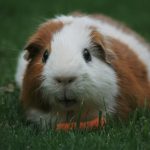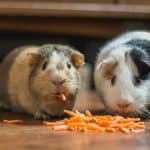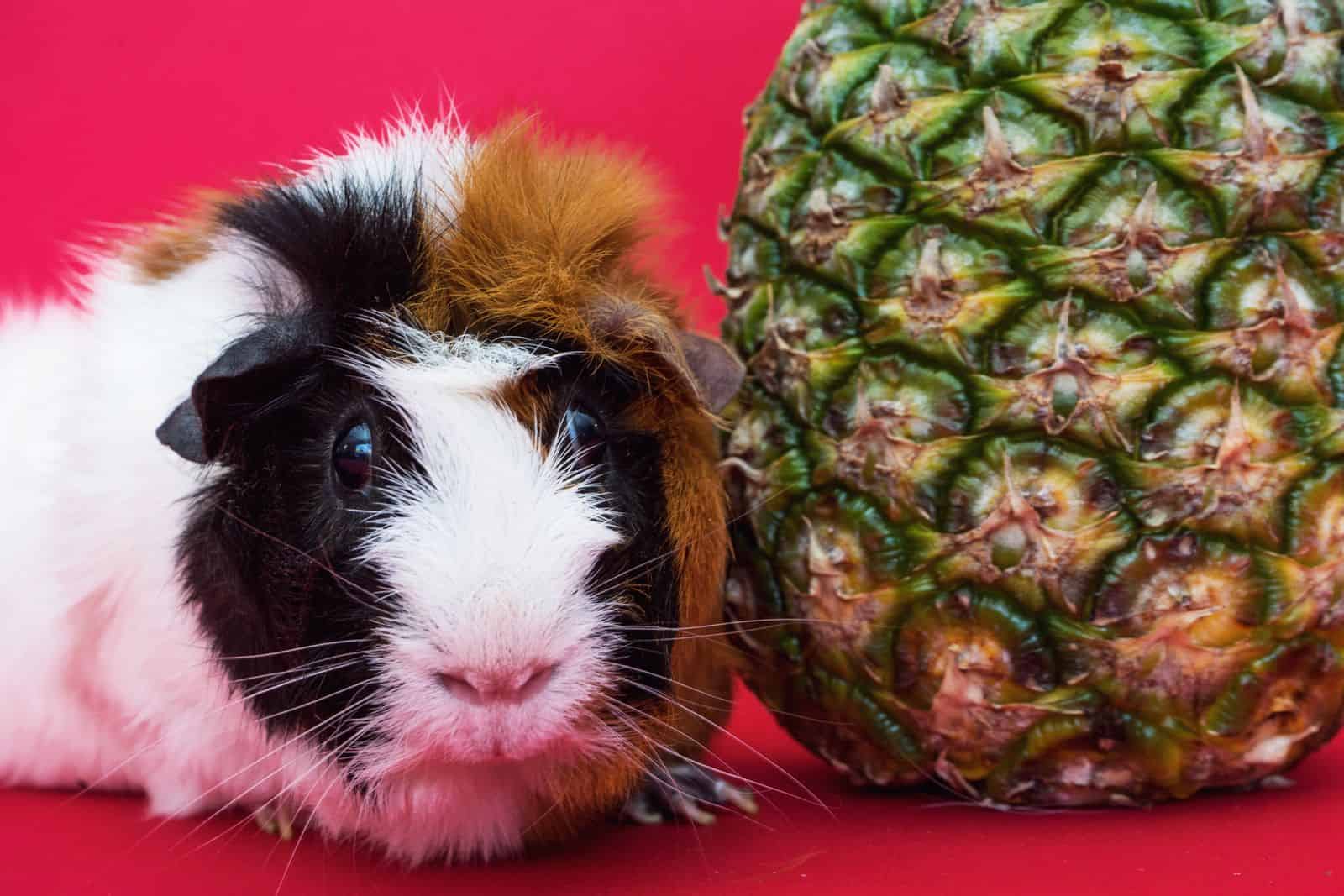
The healthiest snacks for guinea pigs are fresh vegetables, with a little fruit as an occasional treat. Hay should always make up most of the diet, so treat snacks as small extras rather than a replacement for meals.

Good everyday snack options
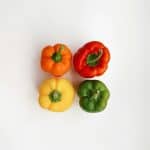
- Bell pepper: a good source of vitamin C. See our guide to bell peppers for guinea pigs.
- Leafy greens: romaine, cilantro, and parsley in small amounts.
- Cucumber and celery: hydrating, but offer in moderation. We cover celery separately.
- Herbs: fresh basil, mint, and dill leaves.
Occasional fruit treats
Fruit is high in sugar, so offer it only a couple of times a week in small pieces. Safe options include apple (no seeds), blueberries, strawberries, and melon. Citrus is fine in tiny amounts, but the acid can irritate sensitive mouths.
Store-bought treats
Look for plain timothy hay-based biscuits or pea flakes with no added sugar, dyes, or yogurt coating. Avoid seed sticks, honey sticks, and treats full of nuts or dried fruit, which are too fatty and sugary.
Foods to avoid
- Onion, garlic, leeks, and chives
- Chocolate, candy, and baked goods
- Avocado, nuts, and seeds
- Rhubarb and raw potato
- Dairy products
- Iceberg lettuce, which offers little nutrition
Treat tips
- Introduce one new food at a time and watch for soft stools.
- Wash produce well and remove uneaten fresh food within a few hours.
- Use snacks to bond and train, offering from your hand.
- Keep unlimited hay and fresh water available, and use a vitamin C-rich pellet or veggies daily. See our hay guide for the staples.
Bottom Line
Stick with fresh veggies, a little fruit, and plain hay-based treats. If your guinea pig stops eating or has diarrhea, call your vet promptly, since guinea pigs can decline quickly.
General information only, not veterinary advice.