Short answer: homemade cichlid food can be a good supplement, but a quality commercial pellet should usually stay the base of the diet. What you put in a homemade recipe depends on the species: herbivorous mbuna need plant-based food, while many Tanganyikan and Central American cichlids need more animal protein.

Match the recipe to your cichlid
- Herbivores and omnivores (many mbuna): spirulina, nori, blanched spinach, peas and zucchini. Keep animal protein low to avoid bloat.
- Carnivores and omnivores (many Central American and Tanganyikan species): shrimp, fish, krill and small amounts of lean seafood.
Check your species before you cook anything, because the wrong protein level can cause digestive trouble.
Basic recipe idea (omnivore gel food)
- Blend a handful of blanched peas or spinach with a small amount of shrimp or white fish.
- Add a teaspoon of spirulina powder and a crushed garlic clove if you like, to tempt fussy eaters.
- Dissolve unflavored gelatin in hot water (follow the package ratio), then mix it into the puree.
- Pour into a thin layer or ice cube tray, chill until firm and cut into bite-size pieces.
Ingredients to avoid
- Beef heart and fatty meats. Mammal fat is hard for fish to digest and can foul the tank.
- Starchy foods like bread, corn and potato, which can cause bloat.
- Salt, seasoning, oils and cooked-in sauces.
- Anything spoiled or high in preservatives.
Feeding and storage
- Feed only what your fish finish in about two minutes, once or twice a day.
- Refrigerate for up to a few days, or freeze portions for a few weeks. Thaw before feeding.
- Remove uneaten food to protect water quality.
Related reading
See homemade cichlid food, the best food for Malawi cichlids.
If your fish are bloated, stop eating or breathe heavily, check water quality and consult an aquatic vet.
Bottom Line
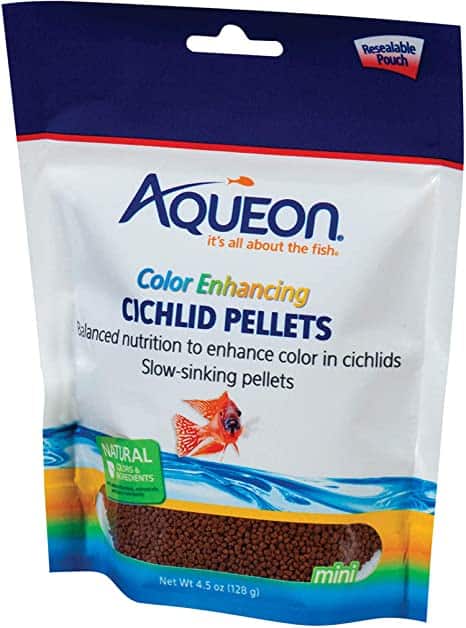
Use homemade food as a species-appropriate treat or supplement, avoid fatty and starchy ingredients, and keep a quality commercial food as the staple.