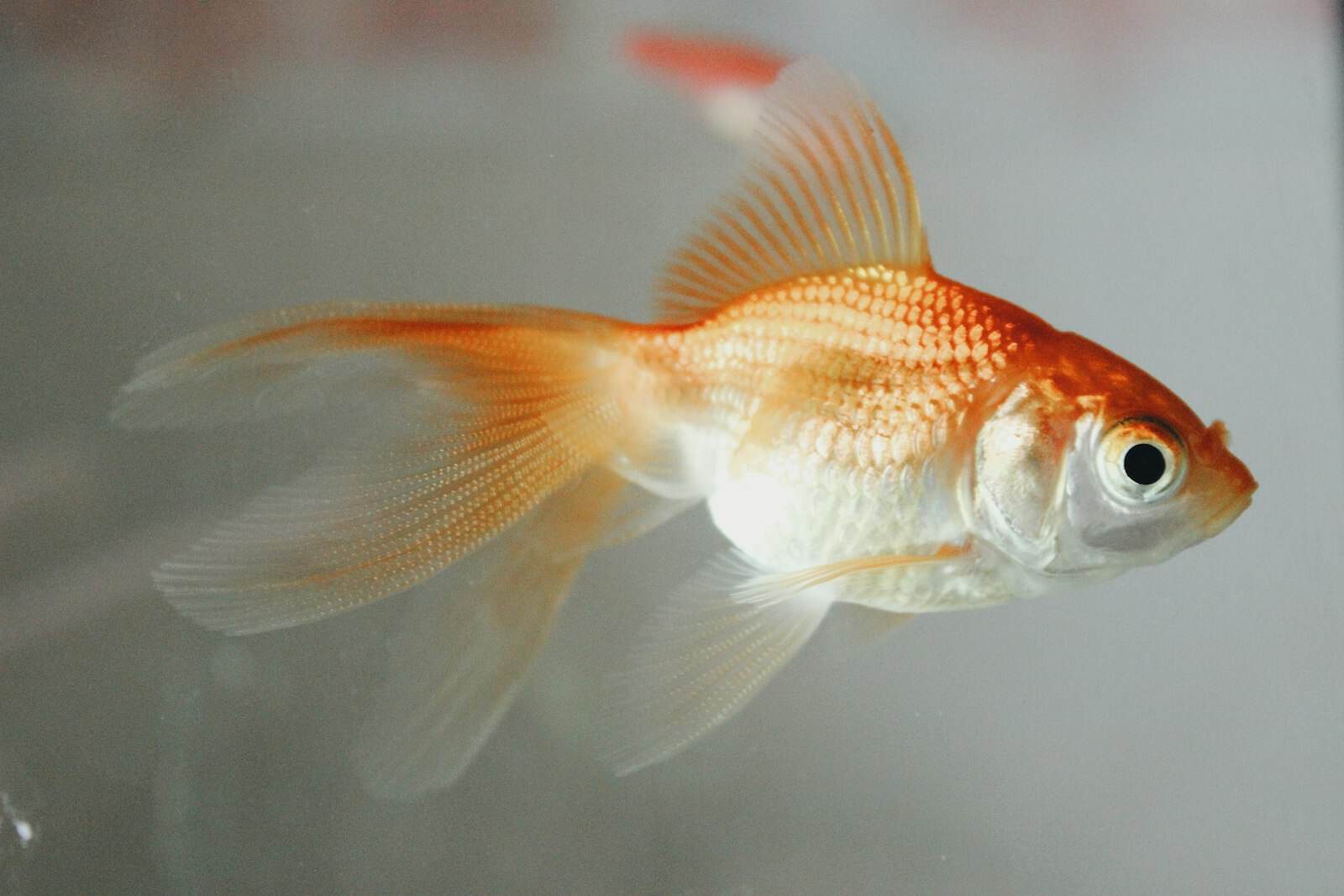
Omega One Goldfish Pellets are sinking pellets made for goldfish, sold in small, medium and large sizes. Pick the size your fish can swallow easily, and feed small portions once or twice a day as part of a varied diet.

What the Product Is
Omega One makes sinking goldfish pellets in several sizes, including a small 2 mm pellet for small goldfish and larger pellets for bigger fish and ponds. The maker’s marketing highlights marine proteins such as salmon and herring and added omega fatty acids. Formulas can change, so check the current bag or jar for the full ingredient list and guaranteed analysis.
Why Sinking Pellets Suit Goldfish
Goldfish that gulp air at the surface can end up with buoyancy problems. Many keepers prefer sinking pellets, or soaking floating food first, so the fish eat below the surface and swallow less air. Dry pellets can also swell after they are eaten, so many keepers soak pellets in tank water for a minute before feeding.
Choosing a Size
- Small pellets: for small or juvenile goldfish and fancy goldfish with small mouths.
- Medium pellets: a good size for many adult fancy goldfish.
- Large pellets: for big goldfish, comets and pond fish. If a fish struggles to swallow a pellet, size down.
How Much and How Often
Feed an amount your goldfish can finish in about a minute or two, once or twice a day. Goldfish will beg for food at any time, but overfeeding leads to waste, poor water quality and digestive problems. If pellets are left on the bottom, remove them and feed less next time.
Variety Matters
Pellets can be the base of a goldfish diet, but goldfish also benefit from fresh vegetables such as blanched peas (shelled) and leafy greens, along with the occasional frozen food like daphnia. For other food options, see our posts on TetraMin flakes for goldfish and feeding goldfish while on vacation.
Bottom Line
Omega One Goldfish Pellets are a reasonable staple for goldfish if you choose the right pellet size, soak them if your fish gulp air, and feed small portions with some variety. If your goldfish floats, sinks or stops eating, check water quality first and ask an aquatic vet if it continues.