What Do Feedlot Cattle Eat? The Truth May Surprise You!

Feedlot cattle eat a ration of grain, forage, protein supplement, vitamins and minerals. Here is what is in a typical finishing diet and why.

Feedlot cattle eat a ration of grain, forage, protein supplement, vitamins and minerals. Here is what is in a typical finishing diet and why.

A healthy sugar glider diet is built from a balanced staple, a nectar-style mix, a few insects and small amounts of fresh produce, with a calcium supplement your vet approves.

Pet newts eat live, frozen or freeze-dried worms, shrimp and small insects. Here’s what to feed, how often, and where.

Sugar gliders need more calcium than phosphorus. Learn which foods help, which block calcium absorption, and why a vet-approved supplement is usually needed.
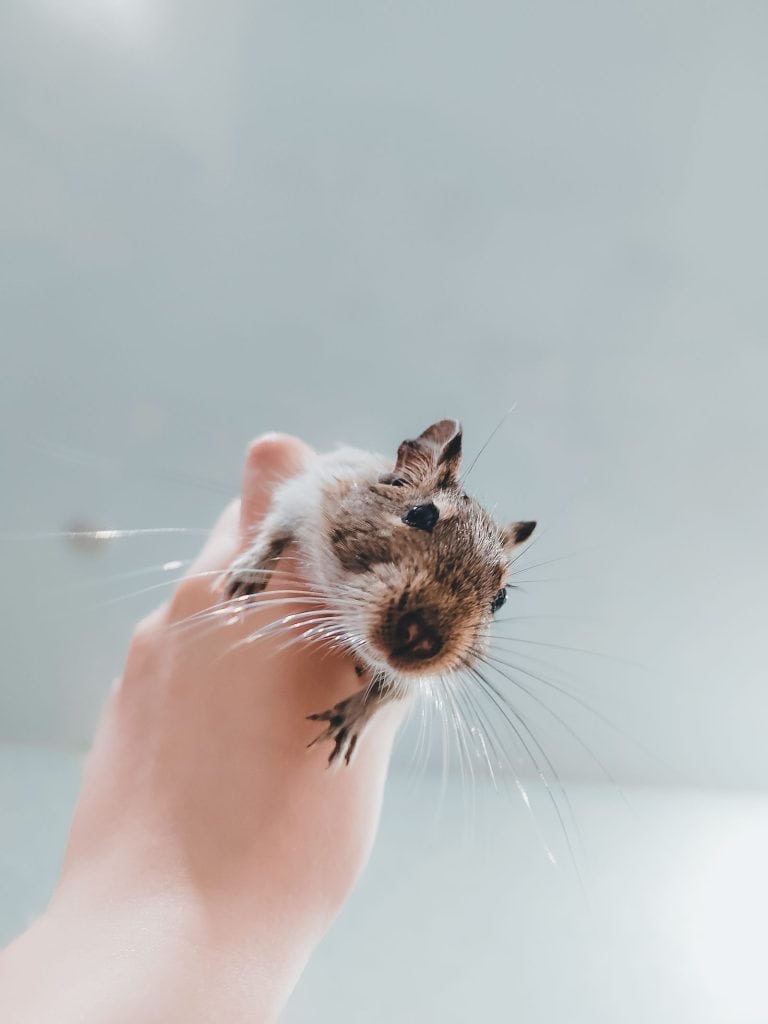
Gerbils thrive on a quality seed or pellet mix, with small amounts of safe vegetables and treats. Here is a short list of safe foods, treats to limit and foods to avoid.

Safe foods for wild birds beyond seed: fresh fruit, suet, mealworms, nectar and kitchen scraps, and the foods that can hurt them.
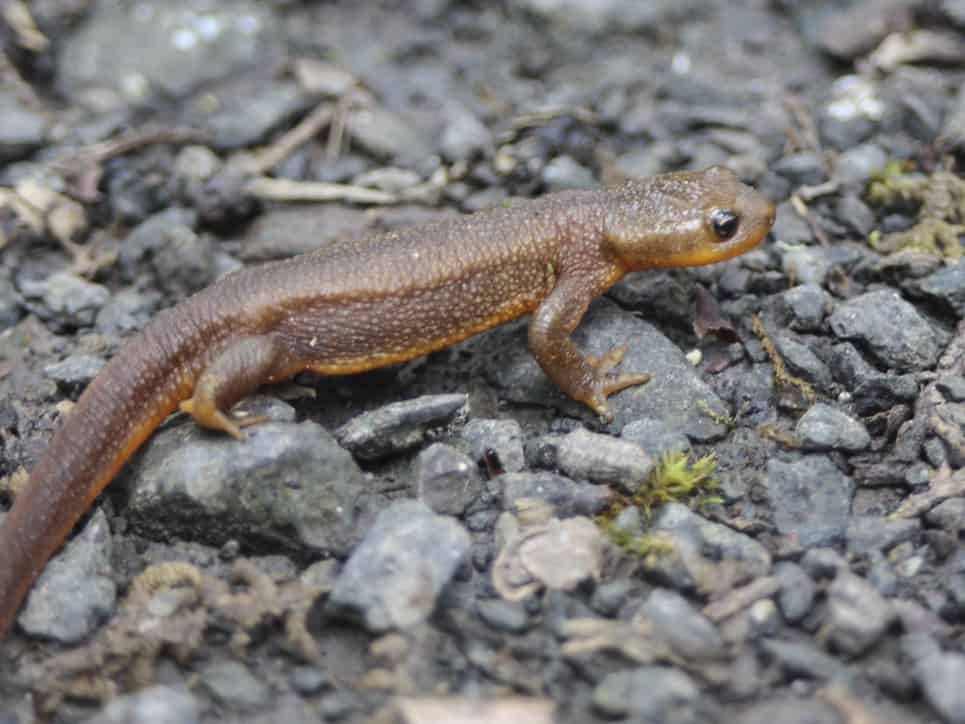
Most healthy adult newts can go several days to a couple of weeks without eating, but juveniles cannot. Here is how often to feed and when to worry.

A plain guide to what gerbils eat: a staple seed-and-pellet mix, small treats of fresh vegetables, and the foods to keep out of the cage.

What great crested newts eat on land and in the water, how their diet changes from larva to adult, and why you should not take them from the wild.

Safe treats for llamas, how much to give, and which foods to avoid. Small pieces of carrot, apple, pear and greens work well.