Choosing the Best Type of Mini Donkey Feed
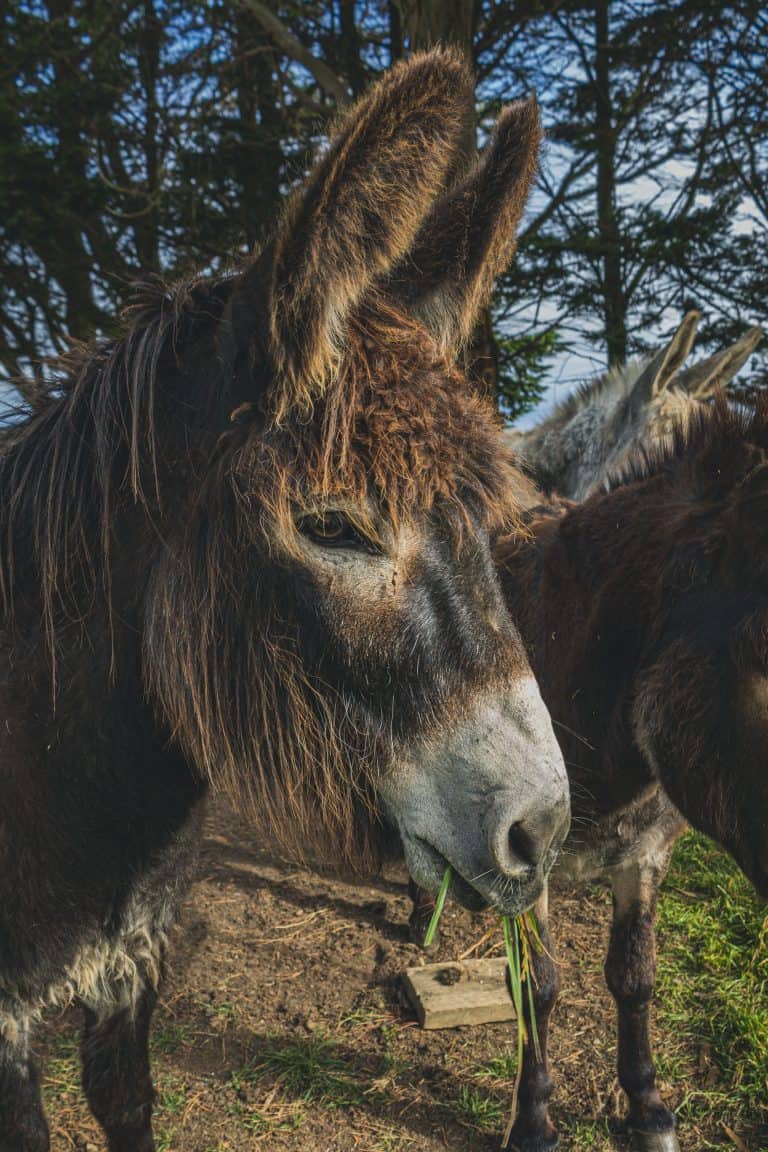
The best mini donkey feed is mostly low-sugar grass hay or straw, with water, salt and minerals. Learn when a ration balancer helps and what to avoid.

The best mini donkey feed is mostly low-sugar grass hay or straw, with water, salt and minerals. Learn when a ration balancer helps and what to avoid.

Small aquarium catfish need sinking foods that reach the bottom before other fish eat them. Here is what to feed corydoras and other small catfish, how often, and how much.

Great crested newts eat insects, worms, snails, tadpoles and other small invertebrates. Learn what they eat in the wild and why they are protected.

Red Ribbon No Corn Blend wild bird food: what no-corn means, what to check on the label, which birds it attracts and how to feed it.

Most healthy adult salamanders can go one to two weeks without eating, but babies cannot. Learn why they stop eating and when to call a vet.
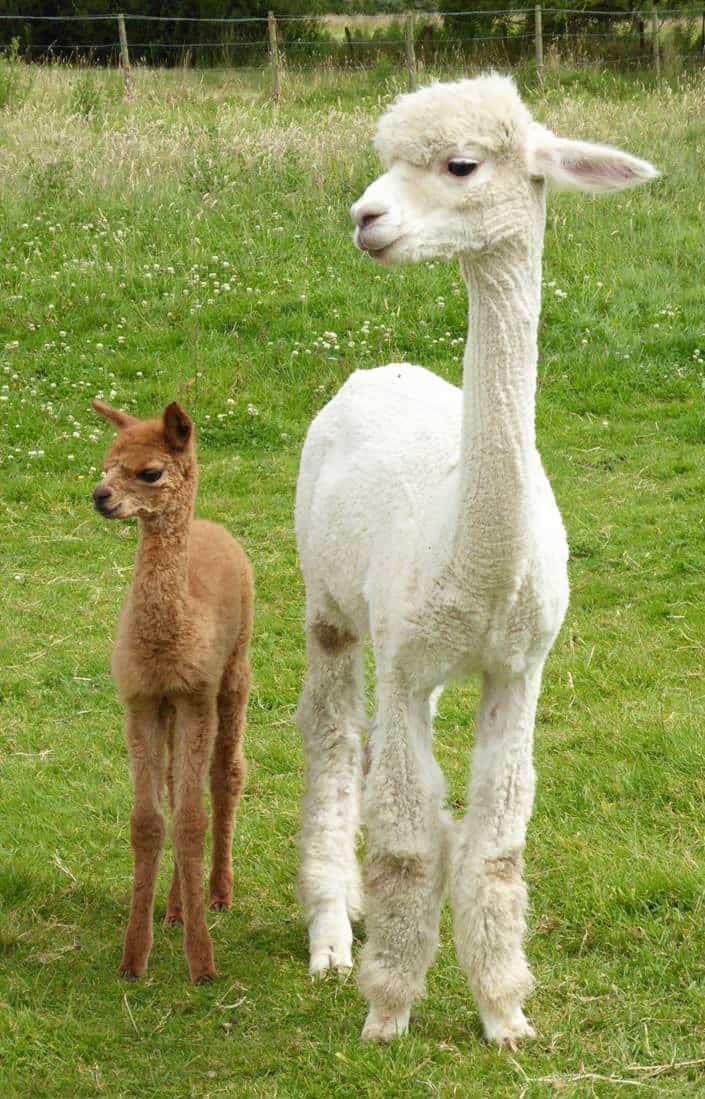
Alpacas need vitamins A, D and E, but the right amount depends on your hay, region and herd. Learn the signs of deficiency and why you should work with a vet.

Science Selective Gerbil from Supreme Petfoods is an extruded, no-added-sugar kibble. Here is what the maker says about it and how to feed it.

Learn when and how to feed bees during a summer nectar dearth: what to feed, how to avoid robbing, and when not to feed.

Why alpacas can run low on vitamin D in winter, how vitamin D injections fit into a plan, the risk of overdosing, and why your vet should set the product, dose, and timing.

Donkeys can eat beet pulp if it is soaked first. It helps thin or older donkeys but most healthy donkeys don’t need it. Here are the benefits and cautions.