Sheppard and Greene is a ferret food brand sold in dry kibble form. Whatever brand you choose, a good ferret food is built on animal protein and fat, with little fiber and no sugary extras, because ferrets are obligate carnivores.

What a Ferret Diet Needs
Ferrets have short digestive tracts and can’t digest plant matter well. Look for a food that lists named animal proteins such as chicken or chicken meal first and that is formulated for ferrets, not for cats or dogs. As a rough guide, vets and ferret organizations suggest high protein (around 30 to 40 percent), moderate to high fat (around 18 to 30 percent) and low fiber (under about 3 percent). Check the guaranteed analysis on the bag and compare it with these ranges.
What to Check on the Label
- Animal protein first: chicken, turkey or lamb should lead the ingredient list.
- Avoid sugary and plant-heavy ingredients: skip foods with corn, fruit, molasses, dried fruit or large amounts of peas and legumes, which ferrets can’t digest well.
- Life stage: make sure the food suits your ferret’s age. Kits and adults can eat the same ferret formula, but check with your vet for older or ill ferrets.
- Freshness: check the best-by date and store food in a cool, dry place.
Brand formulas change over time, so use the current bag’s label rather than an older review for specifics such as ingredients and price.
How to Feed
Most ferrets are fed free-choice, because they eat small amounts often and digest food fast. Keep a bowl of kibble out and refresh it daily. Always provide clean water in a bowl or bottle. When you switch foods, mix the new food with the old over a week or two, since ferrets can be picky and a sudden change may cause them to refuse food.
Treats and Extras
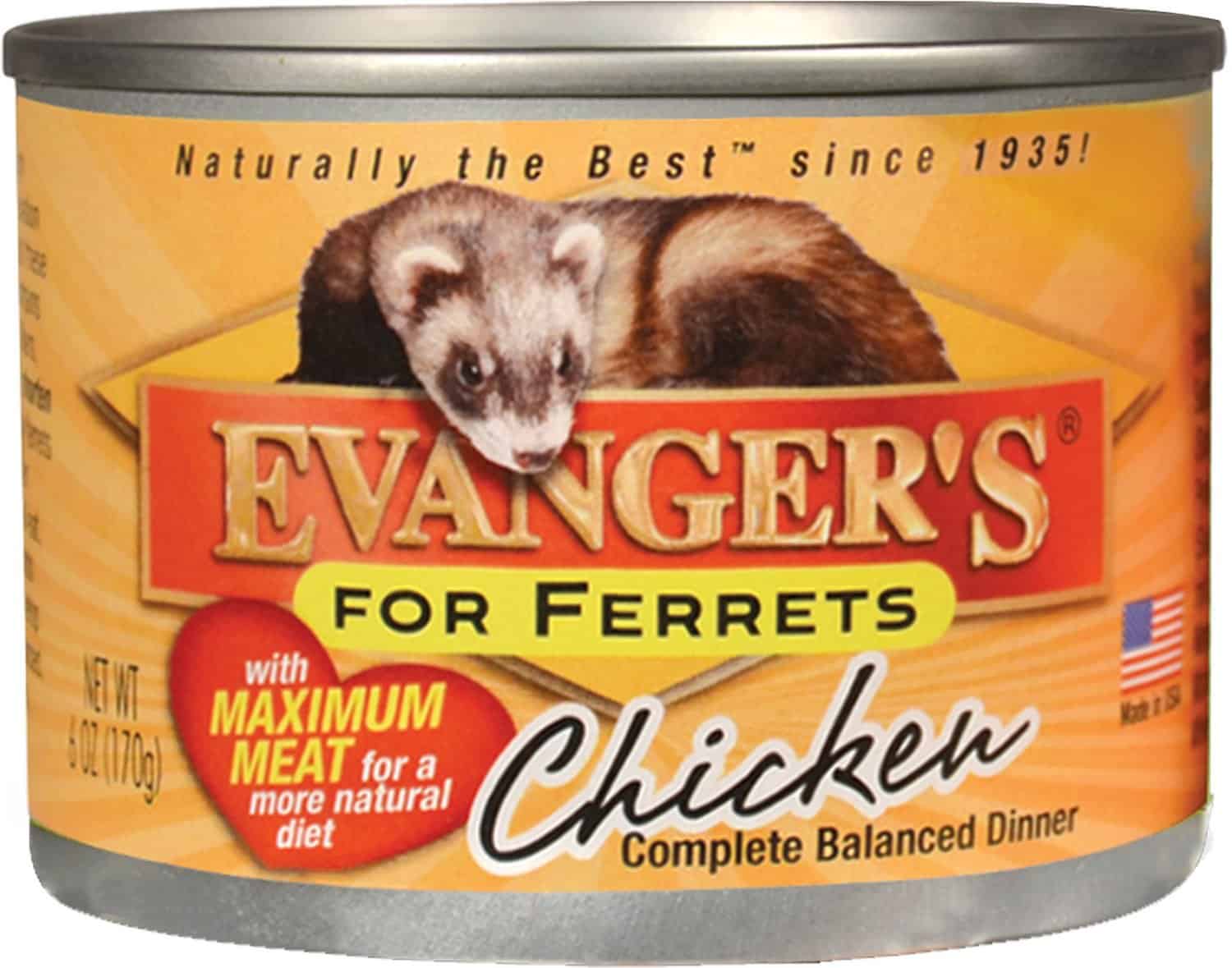
Ferrets shouldn’t have sweets, fruit, dairy or vegetables as treats. Offer small bits of cooked meat instead. See our guides on DIY ferret treats and wet ferret food.
Compare Other Brands
Looking at other options? Read our reviews of Orijen ferret food, Instinct ferret food and Young Again ferret food.
Bottom Line
A chicken-based, meat-first, low-fiber kibble is the right kind of food for ferrets, so check the Sheppard and Greene bag against the ranges above. If your ferret loses weight, has runny stools or stops eating, call your vet. Ferrets can get sick quickly.
This article is general information, not veterinary advice.