Spirulina is a good supplement for many cichlids, especially algae eaters such as mbuna and omnivores like convict cichlids, but it should be one part of a varied diet, not the whole diet. Look for a food that lists spirulina as one of the first few ingredients, and feed it as a staple flake or pellet alongside other foods.

What is spirulina?
Spirulina is a blue-green microalga (technically a cyanobacterium) that grows in warm, alkaline lakes. Dried and processed, it is about 55 to 70 percent protein by weight and provides B vitamins, minerals, and natural pigments such as carotenoids. In the aquarium hobby it is sold as flakes, pellets, wafers and powder.
Why cichlids benefit
- Plant-based protein. It gives herbivores and omnivores amino acids from an algae source similar to what they graze on in the wild.
- Color. Carotenoid pigments can support brighter reds, oranges and yellows.
- Digestion. Algae-based foods are easier on the gut than meaty, fatty foods for species that graze on algae, which can lower the risk of bloat.
- A fishmeal alternative. It lets manufacturers reduce fishmeal in the recipe.
Which cichlids need the most?
| Type of cichlid | Diet | How much spirulina? |
|---|---|---|
| Mbuna (Lake Malawi rock dwellers) | Mostly herbivore | Staple: spirulina flake or pellet most days |
| Tanganyikan algae grazers | Mostly herbivore | Staple |
| Convict, Jack Dempsey, firemouth | Omnivore | Part of the mix, a few times a week |
| Peacocks and haps | Omnivore or carnivore | Part of the mix |
| Oscars, Frontosa | Mostly carnivore | Small amount only |
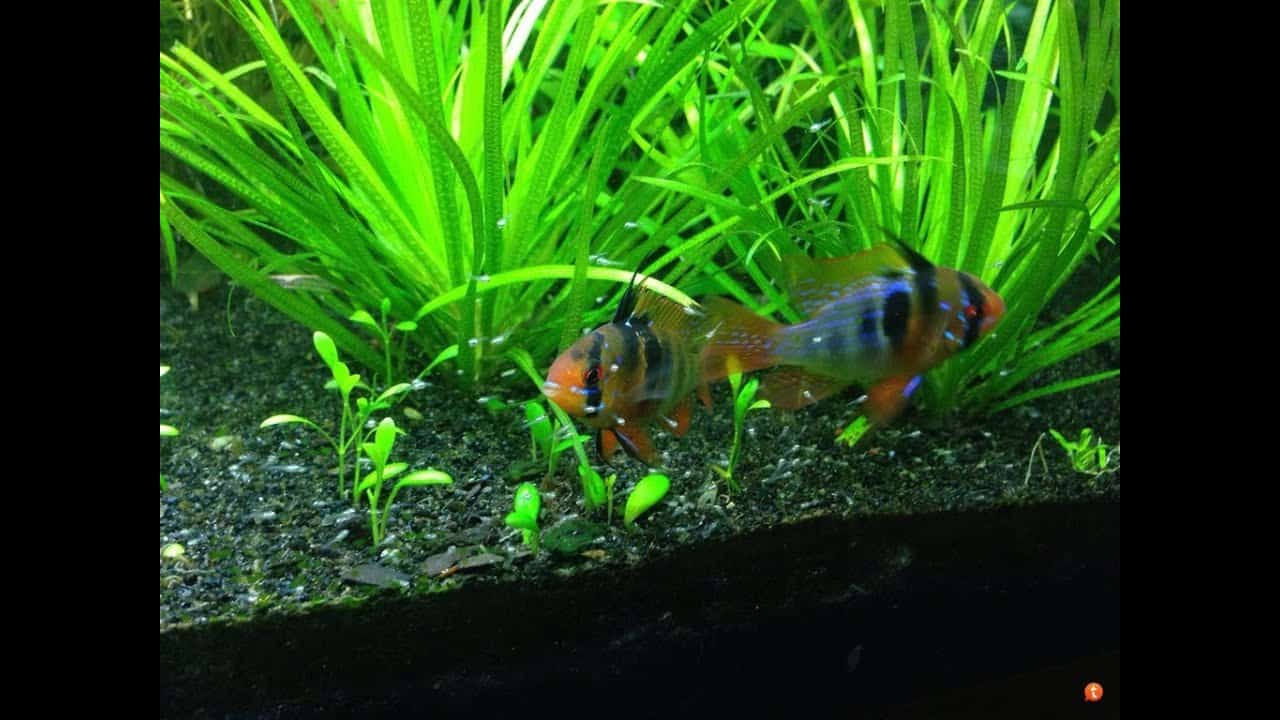
For feeding ideas by species, see our guides to convict cichlid food, frontosa cichlid food and ram cichlid food.
How to feed it
- Feed small amounts once or twice a day. Give only what the fish finish in about two minutes.
- Pick a food where spirulina is a main ingredient, not just a marketing line on the front of the container.
- Mix it up with other foods: quality pellets, frozen foods (brine shrimp, daphnia), and blanched vegetables such as shelled peas, spinach or zucchini.
- Soak dry pellets briefly before feeding, which helps prevent them from swelling in the stomach.
- Remove uneaten food to protect water quality, and keep up regular water changes.
Things to know
- More is not better. Spirulina is a supplement, and fish can get too much protein.
- Algae powder can cloud the tank if you add it directly to the water. Mix it into food instead.
- Keep dry food sealed in a cool, dry place and replace it within a few months, because vitamins break down.
- Sudden changes in appetite, swelling or stringy waste can mean illness. Ask an aquatic vet or an experienced fish keeper.
Bottom Line
Spirulina is a useful, plant-based staple for algae-eating and omnivorous cichlids, and a small treat for the meat eaters. Choose a food that lists it near the top of the ingredients, rotate other foods, and feed only what your fish finish quickly.