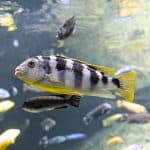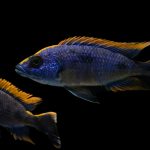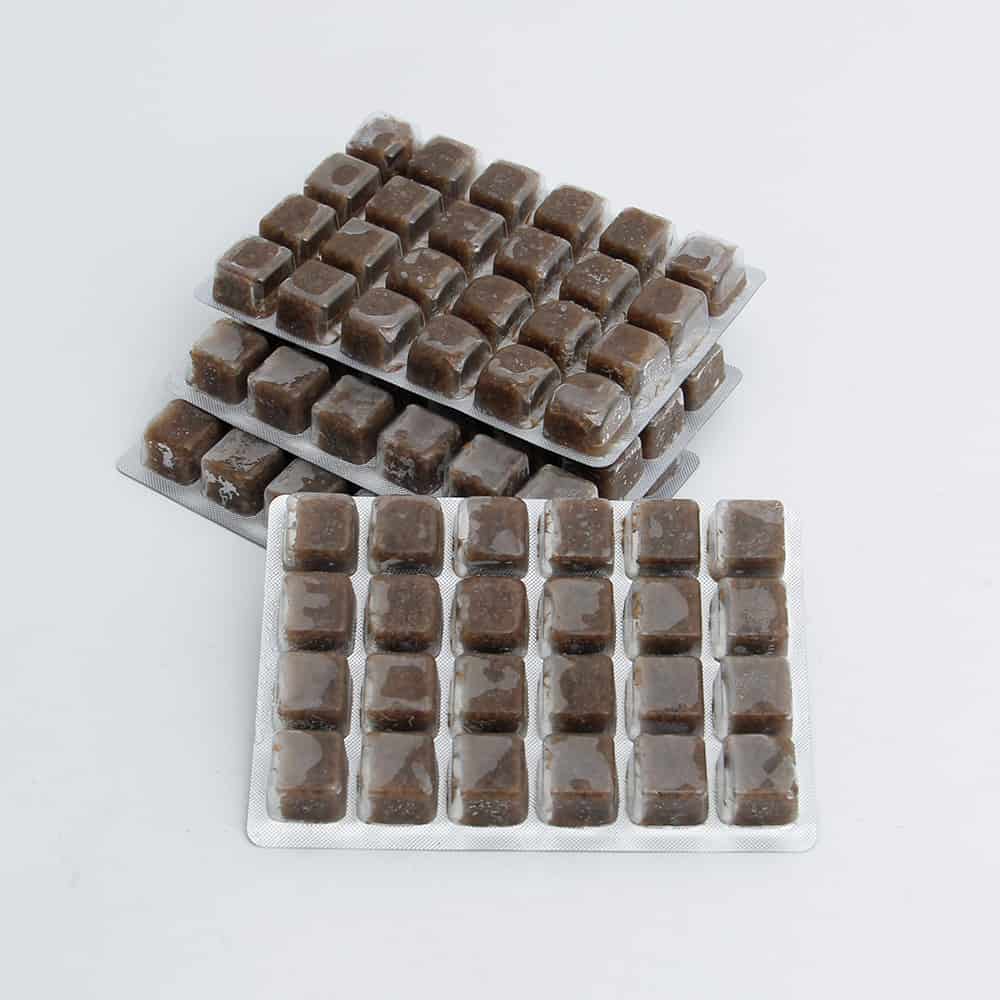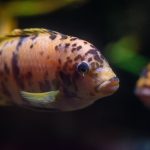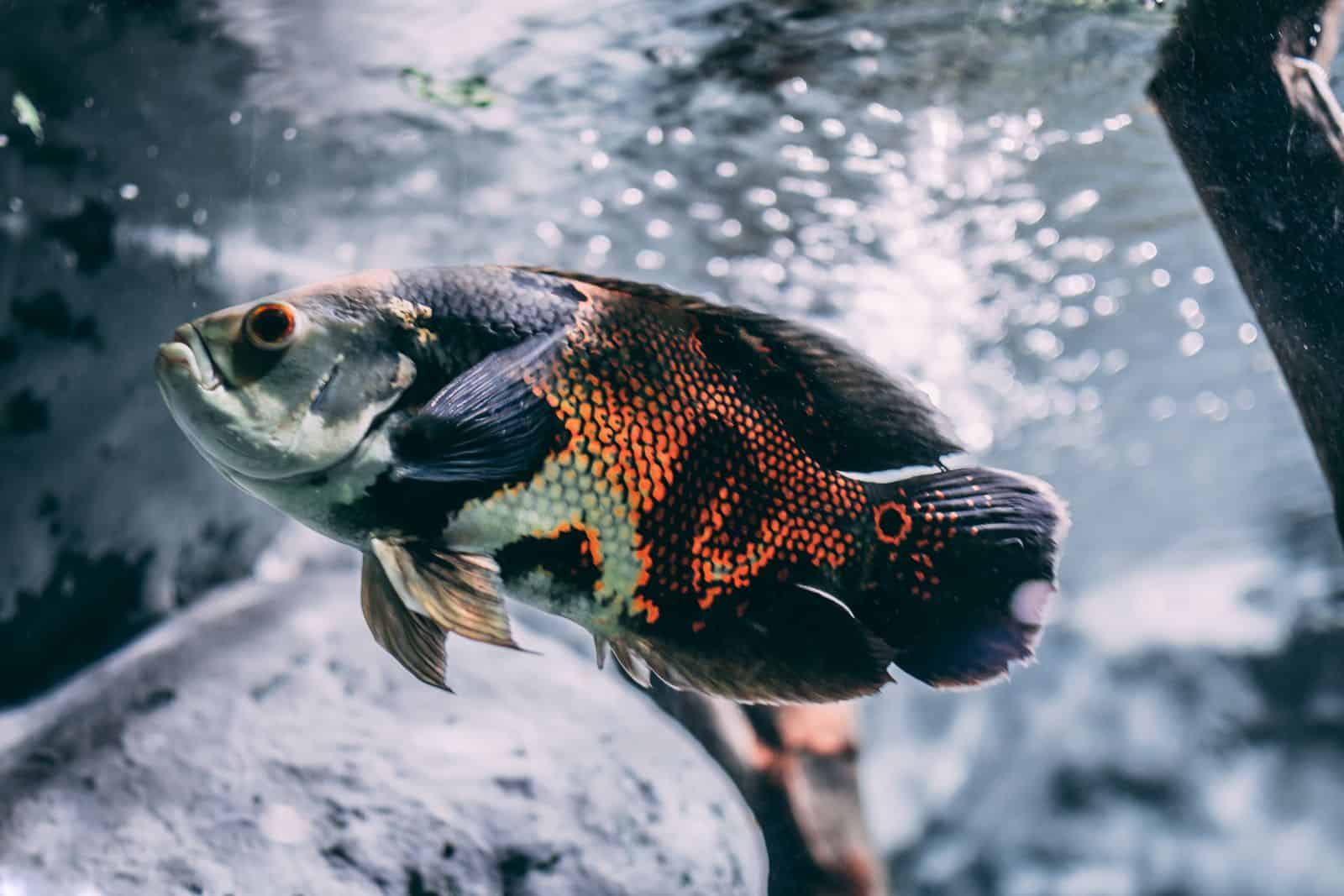
The best diet for frontosa cichlids is a high-quality carnivore pellet, supplemented with frozen foods such as mysis shrimp, krill and brine shrimp. Feed adults only every other day or a few times a week in small amounts. Frontosas are slow, deep-water predators from Lake Tanganyika, and overfeeding is the most common cause of bloat and early death.

What Frontosas Eat
- Carnivore pellets. Pick a sinking or slow-sinking pellet with fish or shrimp meal near the top of the ingredient list.
- Frozen foods. Mysis shrimp, krill, brine shrimp and chopped silversides are good variety foods. Thaw and rinse before feeding.
- Occasional treats. Small pieces of peeled shrimp or white fish fillet.
Avoid feeding mammal meat, such as beef heart, as a staple, because the fats can cause digestive problems and fatty liver disease.
How Often and How Much
- Juveniles: feed small amounts once or twice a day.
- Adults: feed once daily or every other day, only what they finish in a minute or two.
- Skip a day each week to give the digestive system a rest.
Signs of Overfeeding
A swollen belly, stringy white feces, lethargy or refusing food can point to bloat or internal problems. Reduce feeding, keep the water clean, and consult an aquatic veterinarian if the fish does not improve.
Tank Setup Matters
Frontosas need a large tank with stable, hard, alkaline water and plenty of rock caves. Poor water quality and stress will reduce appetite regardless of diet.
More Cichlid Feeding Guides
If you keep other Tanganyikan and African cichlids, see best food for frontosa cichlids, best frozen food for African cichlids, and best food for cichlid fry.
Bottom Line
Keep the diet carnivore-based, varied and light. A frontosa that is fed sparingly in a clean, spacious tank can live more than a decade.