Besides a good gerbil seed mix or pellets, gerbils can eat small amounts of fresh vegetables, a few seeds, plain grains, hay and occasional insects. These extras should stay a small part of the diet, with the staple food making up most of what your gerbil eats.

Start With the Staple
A quality gerbil mix or pellet gives balanced nutrition. Treats and extras should fill roughly a tenth of the diet, so they don’t crowd out the staple food. Our guide to what gerbils eat covers the basics.
Safe Extras
- Vegetables: small pieces of carrot, broccoli, cucumber, bell pepper and leafy greens such as romaine. Introduce one at a time and remove leftovers within a few hours. See our list of vegetables for gerbils.
- Seeds: a few pumpkin or sunflower seeds now and then. They are high in fat, so keep them as a rare treat.
- Hay: timothy hay is good for chewing and nesting.
- Plain grains: a little uncooked oats or plain, unsweetened whole-grain cereal.
- Protein: a dried or live mealworm or two each week, or a small piece of plain hard-boiled egg.
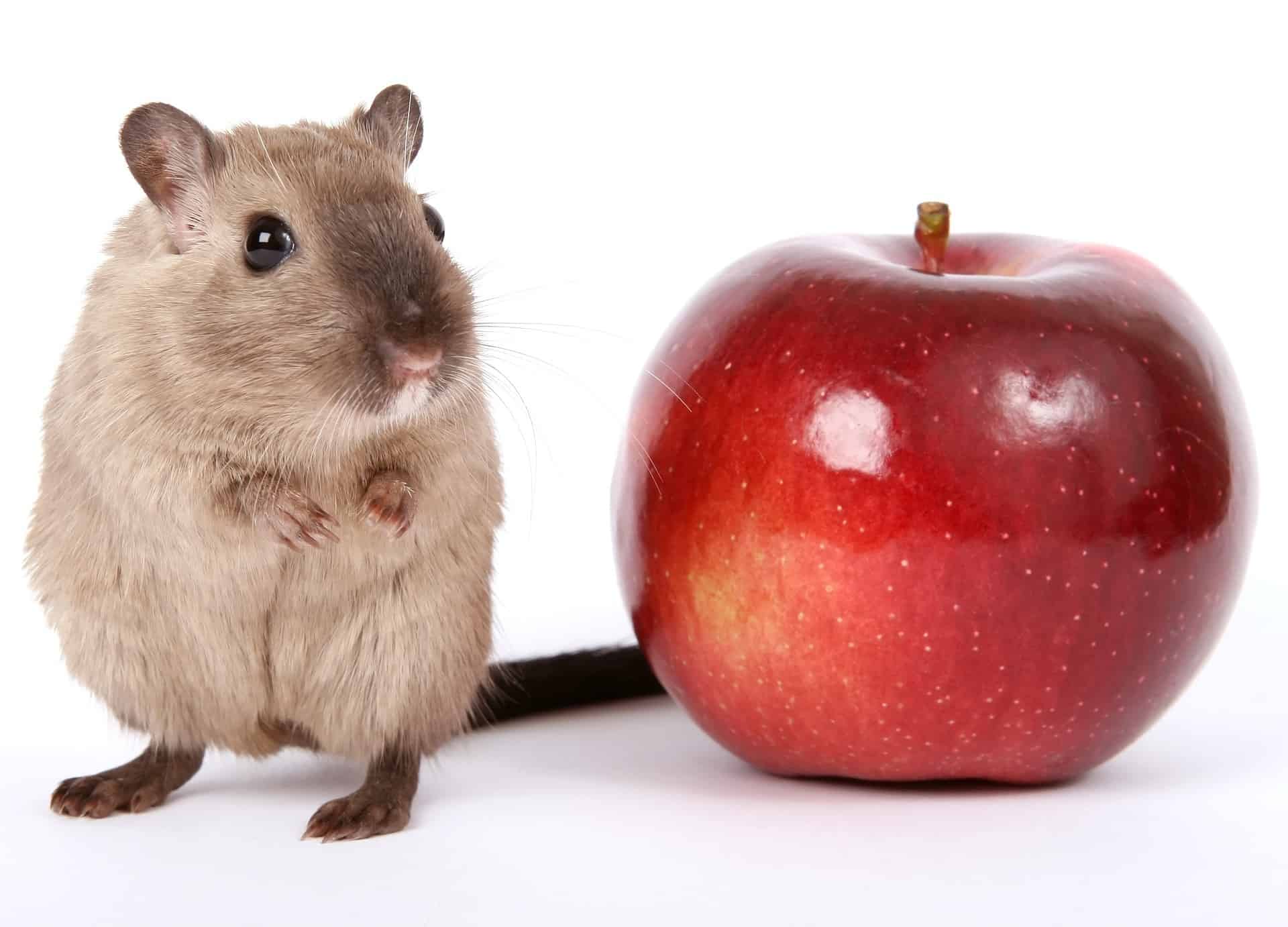
- Fruit: a tiny piece of apple (no seeds) or banana as an occasional treat, because fruit is high in sugar.
Foods to Avoid
Skip chocolate, onion, garlic, avocado, rhubarb, raw beans, salty or sugary snacks and anything moldy. Bread, cheese and other human foods aren’t needed and can upset a gerbil’s stomach or add too much fat. Don’t pick grass or weeds from lawns that may have been treated with fertilizer or pesticides. For a longer list, see our gerbil food list and safe foods for gerbils.
How to Introduce New Foods
Offer a pea-sized piece of any new food and watch for loose droppings over the next day. If everything is normal, you can offer it again a couple of times a week. Always keep fresh water available in a bottle.
Chewing
Gerbils’ teeth never stop growing, so give them untreated wood blocks, cardboard tubes or apple wood sticks. Avoid wood from unknown sources, which may have chemicals on it.
Bottom Line
Feed a gerbil mix as the base and add small amounts of vegetables, seeds, hay and the occasional protein treat. Skip sugary and fatty human foods. If your gerbil has ongoing diarrhea, stops eating or loses weight, call an exotic pet vet.
This article is general information, not veterinary advice.