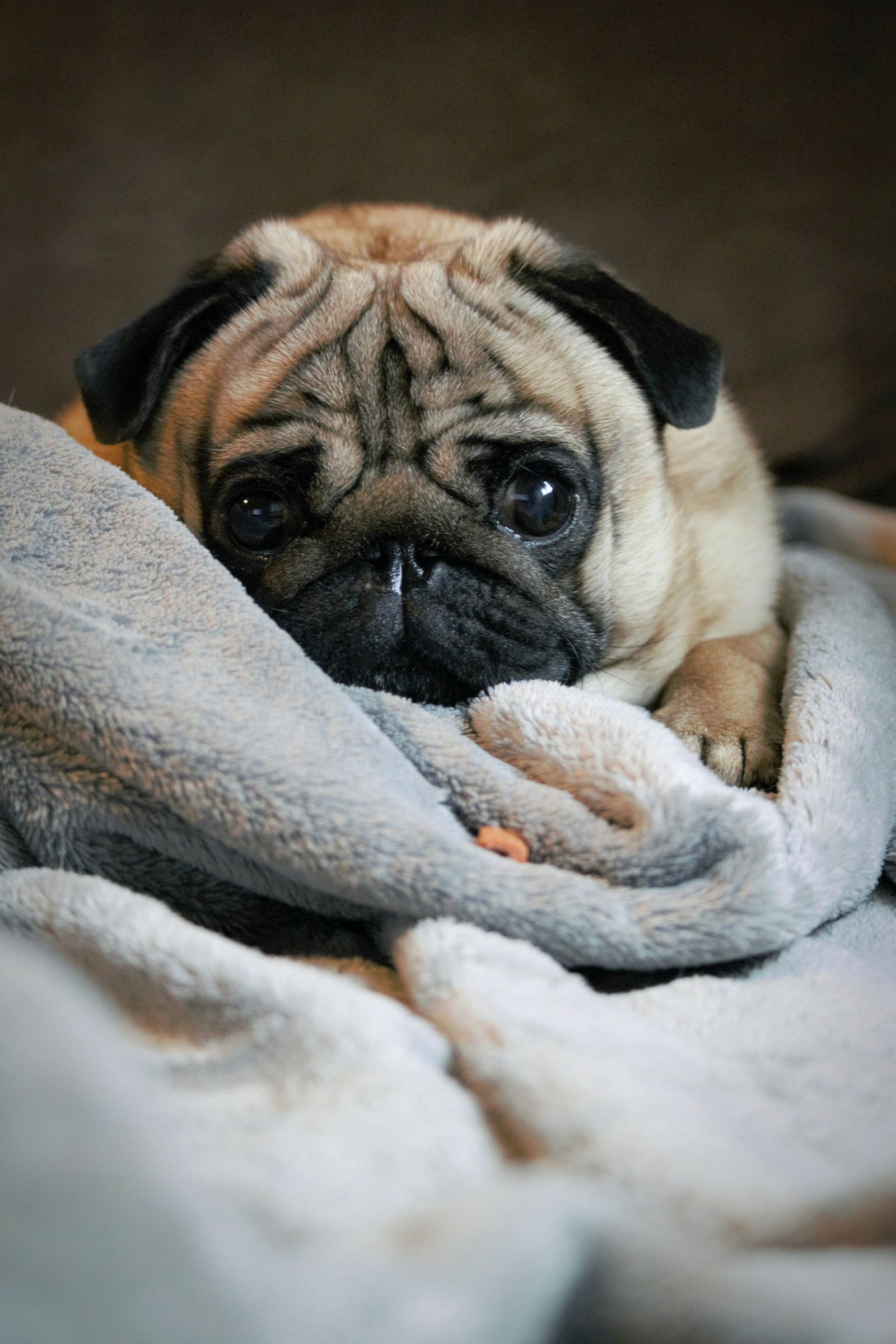
A puppy with parvo needs a veterinarian right away, and food alone will not cure it. Once your vet has started treatment, the usual feeding plan is small, frequent portions of a bland, low-fat, easily digested food, plus whatever fluids your vet prescribes. Never try to treat parvo at home instead of seeing a vet.

This article is general information, not veterinary advice. Call your vet or an emergency clinic about any sick puppy.
Why parvo is so dangerous
Canine parvovirus attacks the lining of the intestines and the bone marrow. Affected puppies usually have severe vomiting, bloody or foul-smelling diarrhea, fever, and lethargy, and they lose fluids fast. Dehydration and secondary infections are what make parvo deadly, which is why puppies who get early hospital care survive far more often than those treated at home.
Puppies under about six months old and unvaccinated dogs are at the highest risk. If your puppy is vomiting, has bloody diarrhea, and refuses food, call a vet the same day.
What the vet will do first
- IV or under-the-skin fluids to correct dehydration and low blood sugar.
- Anti-nausea and other medications chosen and dosed by the vet. Do not give human or leftover medications.
- Nutrition support. Many clinics start feeding early, even through a small feeding tube, because eating small amounts helps the gut lining recover.
Feeding a parvo puppy once the vet says it is okay
Once vomiting has stopped and your vet clears your puppy to eat, the gut is still tender. These guidelines are what most vets recommend:
- Go small and often. Offer a tablespoon or two every few hours instead of big meals.
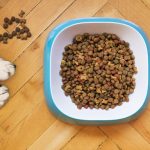
- Keep it bland and low-fat. Plain boiled skinless chicken breast with plain white rice, or a prescription gastrointestinal diet from your vet, are common choices.
- Skip the extras. No seasoning, onion, garlic, grease, skin, bones, or dairy-heavy foods.
- Warm it slightly. A little warmth makes food smell stronger and can tempt a puppy with a poor appetite.
- Never force-feed. A weak, nauseated puppy can inhale food into its lungs. If your puppy will not eat, call the vet.
- Fresh water always. If your puppy cannot keep water down, that is an emergency.
Common home remedies to avoid
You will see many “parvo recipes” online. A few deserve caution:
- Apple cider vinegar. There is no good evidence it treats parvo, and the acid can upset an already irritated stomach.
- Sports drinks. They contain sugar and are not designed for dogs. Ask your vet before giving any electrolyte solution.
- Giving human medicines. Many are toxic to dogs.
- Waiting to see if it passes. Every hour counts with parvo.
Moving back to normal food
As stools firm up and your puppy’s energy returns, mix a little of the regular puppy food into the bland diet over several days, gradually increasing it. Pick a complete puppy formula when you do. Our guides to feeding puppies at 4 weeks and feeding a teething puppy can help as your puppy grows, and Royal Canin Puppy Mousse is one soft option some owners use for young puppies.
Protecting your puppy and other dogs
- Follow your vet’s vaccination schedule exactly. Puppies are not fully protected until they finish the series.
- Keep unvaccinated puppies away from dog parks and unknown dogs.
- Parvo virus survives in the environment for months. Clean surfaces with a diluted bleach solution (ask your vet for the right ratio) and keep sick dogs isolated.
Bottom Line
Parvo needs professional treatment. Get your puppy to a vet immediately, follow the treatment plan, and feed small, bland, low-fat meals only when your vet says your puppy is ready. Skip online home cures like vinegar, and get your puppy vaccinated to prevent it in the first place.