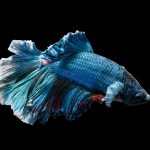
Feed an adult betta (Siamese fighting fish) a small amount of high-protein pellets or flakes once or twice a day, only as much as it finishes in about two minutes. Bettas are carnivores, so the best diet is built on pellets made for bettas, with frozen or freeze-dried foods like bloodworms and brine shrimp as treats.

What Bettas Eat
In the wild, bettas eat insects, insect larvae and tiny crustaceans. At home, mimic that with:
- Betta pellets: the best staple. Look for fish meal, shrimp or insects near the top of the ingredients, not filler.
- Frozen or freeze-dried bloodworms and brine shrimp: great treats once or twice a week. Rehydrate freeze-dried foods in tank water first so they do not swell in the stomach.
- Daphnia: a good option that can help with digestion.
- Flakes: fine, but many flakes are less protein-rich than pellets and can break up and foul the water.
How Much and How Often
- Feed adults once or twice a day.
- Give 2 to 4 pellets per feeding, depending on pellet size, or as much as the fish can finish in around two minutes.
- Remove uneaten food after a few minutes.
- Skip one day a week to protect against constipation and bloat.
A betta’s stomach is about the size of its eye, so overfeeding is the most common mistake.
Water Basics That Affect Feeding
- Temperature: keep the water at about 78 to 80 degrees Fahrenheit. Bettas are tropical, and cold water slows digestion and reduces appetite.
- Clean, dechlorinated water: use a water conditioner. The tank should have no ammonia or nitrite.
- Heater and thermometer: a small adjustable heater and a thermometer are essential for most homes.
Foods to Avoid
- Human food such as bread, rice or crackers.
- Wild-caught live insects, which can carry parasites or pesticides.
- Large amounts of any one treat. Variety helps.
Buying Tips
Choose a healthy fish with clear eyes and intact fins, and avoid fish kept in tiny cups that look listless. For help with vacations, see our guide to the best 14-day betta feeder. For treats, read about feeding frozen and live bloodworms, and if you care about color, see the best betta food for color.
Frequently Asked Questions
How long can a betta go without food?
Healthy adult bettas can usually go several days without food, but it is best not to leave them for more than a few days without a feeding plan.
Why is my betta spitting out food?
Bettas can be picky, or the pellets may be too large. Try a smaller pellet and check the water temperature.
What should I do if my betta is bloated?
Skip a feeding or two and offer a soaked pellet or a small piece of daphnia. If the belly stays swollen or the fish looks unwell, seek advice from an aquatic vet.
Bottom Line
Feed bettas a small portion of quality pellets once or twice a day, add frozen foods as treats, keep the water warm and clean, and never overfeed.