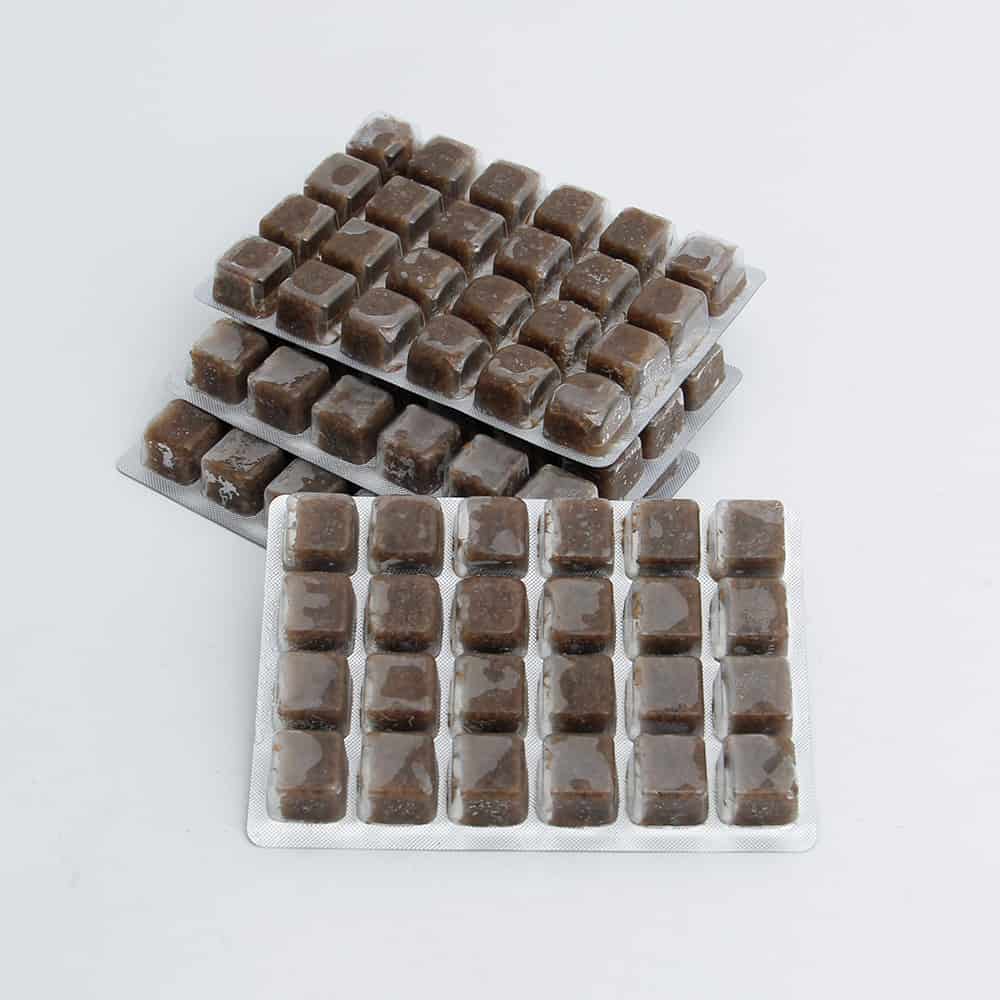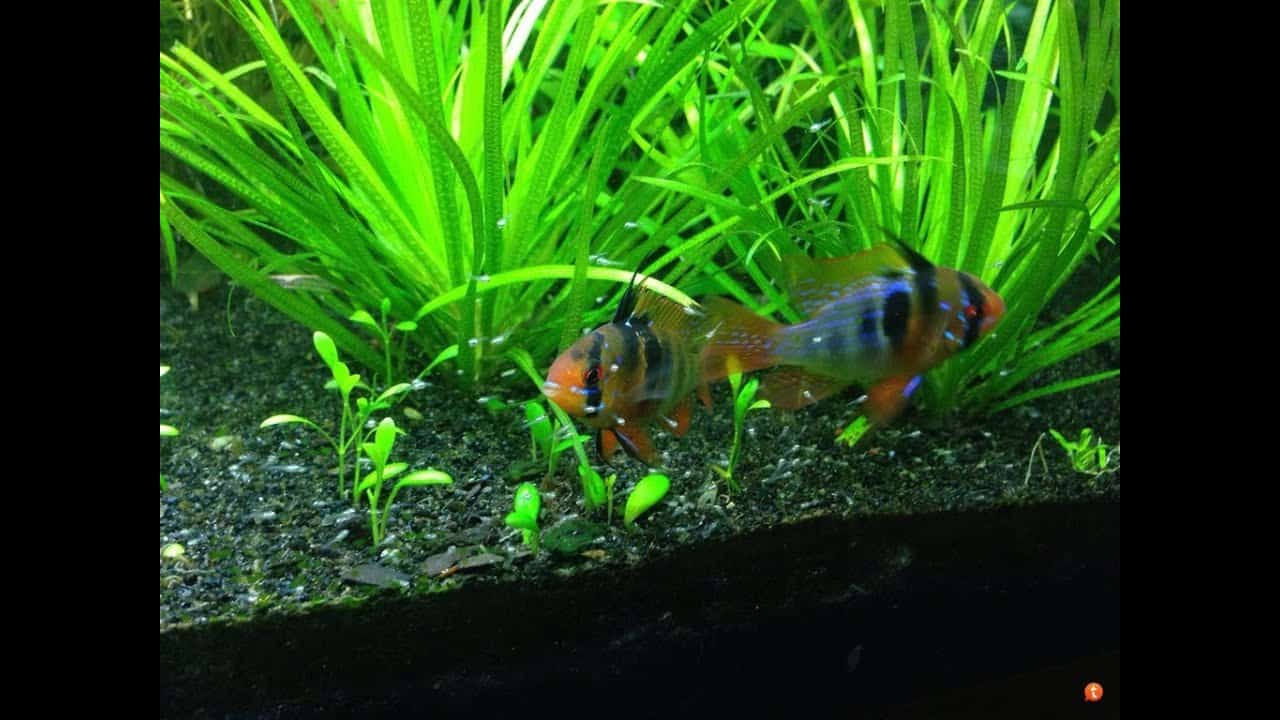
Ram cichlids do best on small live or frozen foods such as baby brine shrimp, bloodworms and daphnia, plus a good micro-pellet or flake. They are small, peaceful dwarf cichlids from South America and are sensitive to poor water quality, so feed small portions and keep the tank clean.

What Ram Cichlids Eat
In nature, rams pick small invertebrates and bits of plant matter from the bottom. In an aquarium, a mix like this works well:
- Frozen or live foods: baby brine shrimp, mysis shrimp, daphnia, cyclops and bloodworms (as a treat).
- Quality micro-pellets or flakes: sinking micro-pellets are useful because rams feed near the bottom and can be shy at the surface. Pick a cichlid or carnivore formula.
- Occasional vegetable matter: some keepers offer a bit of spirulina-based food. Our post on spirulina fish food for cichlids explains when that helps.
Thaw frozen foods first and rinse bloodworms and brine shrimp to keep extra liquid out of the tank.
How Much and How Often
Feed one or two small meals per day, only as much as they finish in a couple of minutes. Rams are slower, shyer eaters than many tank mates, so make sure they actually get food. Remove leftovers to protect water quality.
Keep the Water Right
Rams are among the more delicate dwarf cichlids. They prefer warm water, usually in the high 70s to mid 80s Fahrenheit, with soft to moderately hard, slightly acidic water. They don’t tolerate high nitrates, so do regular partial water changes and avoid overfeeding. A pair can live in a tank of about 20 gallons, with plants, flat stones and caves for cover.
Tank Mates and Breeding
Rams are peaceful and do best with calm fish like tetras, small rasboras and corydoras. Avoid big or aggressive cichlids. Breeding pairs lay eggs on a flat stone and guard them. Fry can be fed baby brine shrimp or finely crushed food; see our guide on the best food for cichlid fry. For other South American species, see the best food for South American cichlids.
Bottom Line
Feed rams a varied diet of frozen and live small foods plus a good micro-pellet, in small portions, and keep the water warm and clean. If your ram stops eating, clamps its fins or sits at the surface, test the water and see an aquatic vet or experienced fish store.