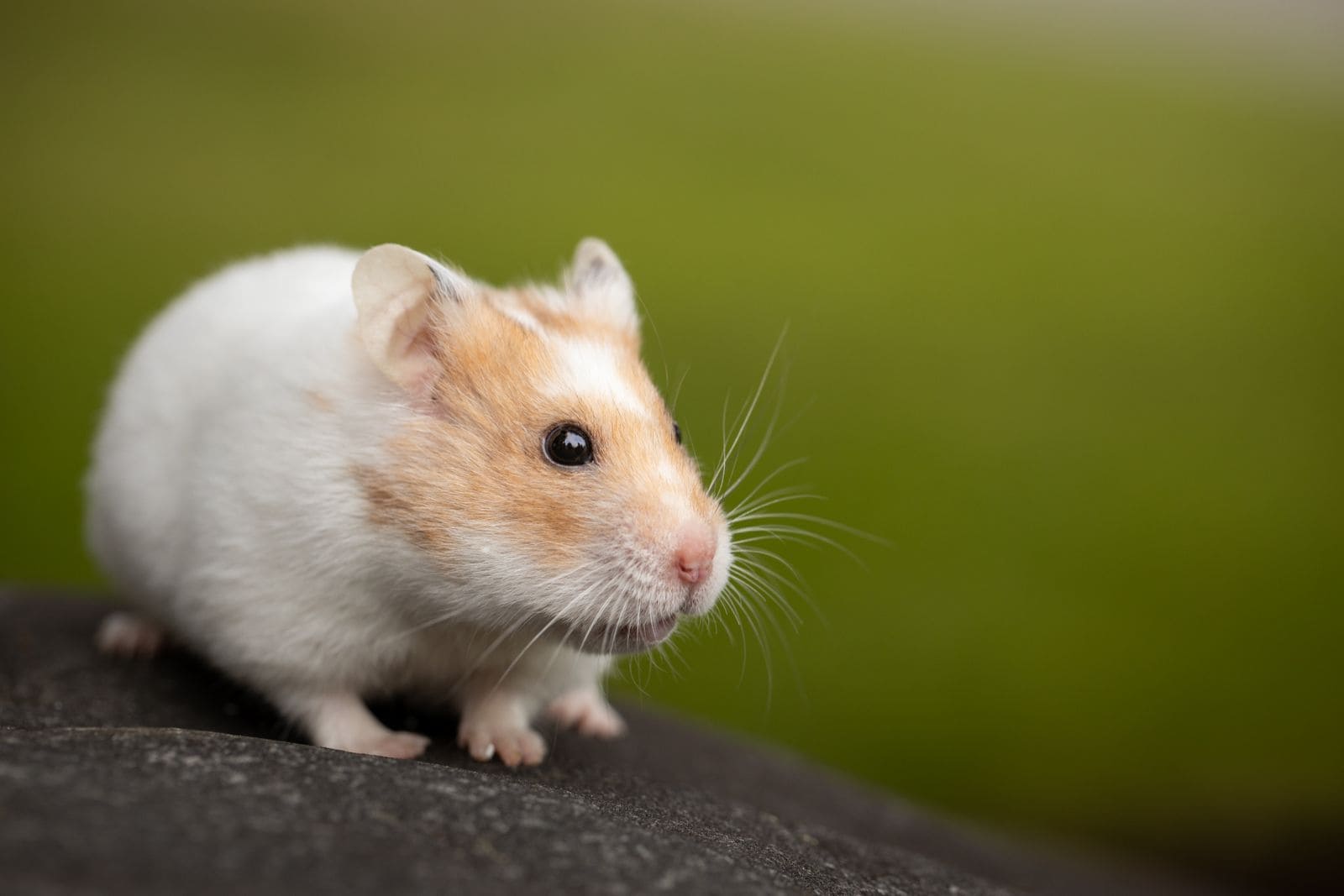
A healthy gerbil diet is built on a good quality gerbil pellet or nugget, with small amounts of fresh vegetables and an occasional treat. Seed mixes are popular but need more care, because gerbils tend to pick out the fatty and sugary pieces.

Start with a staple food
PDSA and Burgess both recommend pellet-style gerbil food over muesli-style mixes. Because every piece is the same, your gerbil gets balanced nutrition rather than just the pieces it likes best. If you do use a mix, measure it and keep sunflower seeds, nuts, and dried fruit to a minimum.
How much to feed
- About a tablespoon of food per gerbil per day is a common guideline.
- Feed once a day, ideally in the morning, since gerbils are active during the day.
- Scatter some food around the cage to encourage natural foraging.
- Provide fresh water at all times.
Fresh foods and treats
Offer small pieces of carrot, broccoli, cucumber, parsley, or spinach a few times a week. Too much green food can cause loose stools. Fruit is high in sugar, so keep it to tiny portions of berries, apple, or pear. Healthy treats include a small piece of boiled egg, a mealworm, or a few cooked lentils or peas.
Foods to avoid
- Citrus, grapes, and rhubarb
- Onion, garlic, and potato
- Chocolate, dairy, and sugary human snacks
- Large amounts of sunflower seeds, nuts, or honey sticks
If you are unsure whether a food is safe, leave it out.
Water and housing
Gerbils come from dry regions and drink little, but they still need clean water. Check the bottle daily for leaks or blockages.
For specific products, see our hamster and gerbil food guide, what can I feed gerbils, and the Burgess gerbil food review.
Bottom Line
Choose a gerbil pellet as the base, add small portions of vegetables, and keep seeds, nuts, and fruit as rare treats. Measured portions and fresh water keep gerbils at a healthy weight.
General information only, not veterinary advice. If your gerbil seems unwell, call your exotic-pet vet.