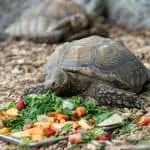
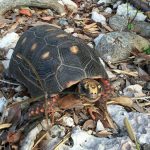
Pretty Pets Large Tortoise Food is a dry, multicolored nugget made by Pretty Bird International for larger tortoises. Its guaranteed analysis lists 8 percent protein, 3 percent fat and 13 percent fiber, which fits the low-protein, high-fiber diet most land tortoises need. It works best as an occasional supplement to fresh greens and weeds, not as the main meal.

What is in it?
According to the manufacturer, the food contains the following:
- Crude protein: 8 percent minimum
- Crude fat: 3 percent minimum
- Crude fiber: 13 percent maximum
- Moisture: 10 percent maximum
- Vitamin D3: 800 IU/kg minimum
The first ingredients are ground oats, oat hulls, calcium carbonate, ground corn and corn protein meal, followed by added vitamins, minerals and amino acids. The label also lists artificial flavors and food dyes (FD&C Red 40, Yellow 5 and 6, and Blue 1) that give the nuggets their bright colors. Some keepers prefer to avoid dyes and artificial flavors, so read the label and decide what you are comfortable with.
Pros and cons
- Pros: Low in fat and sugar, fortified with calcium and vitamins, easy to store, and easy to feed to tortoises that will not touch greens.
- Cons: Corn is a main ingredient, it contains dyes and artificial flavors, and processed pellets cannot match the variety and moisture of fresh forage.
How to feed it
The manufacturer’s product page does not list feeding directions, so follow the instructions on the bag or call Pretty Bird at the number printed on the package. In general, keepers soak a small portion of pellets in warm water for a few minutes so they soften and add moisture, then offer them alongside fresh food. Most large tortoises do best when the daily diet looks something like this:
- Mostly leafy greens and weeds, such as dandelion, plantain, clover, endive and mustard greens.
- Smaller amounts of vegetables like squash or bell pepper.
- Pellets only as a small part of the meal, a few times per week.
- Fruit only as an occasional treat, because tortoises can develop digestive problems from too much sugar.
For more on what to feed, see our Hermann’s tortoise food list, our guide to dried tortoise foods and the page on the smaller Pretty Pets tortoise food.
Calcium, light and water
Food is only part of tortoise health. Tortoises also need access to UVB lighting or real sunlight to make vitamin D3, which they need to absorb calcium. A cuttlebone or dusting of calcium powder can help, as outlined in our list of calcium-rich foods for tortoises. Provide a shallow dish of clean water and soak your tortoise regularly if your reptile vet recommends it.
Bottom Line
Pretty Pets Large Tortoise Food is a reasonable low-fat, high-fiber supplement for big tortoises, but fresh greens should make up most of the diet. If your tortoise has shell problems, soft stool or a poor appetite, talk to a reptile vet before changing its diet.
This article is general information and not veterinary advice.