A guinea pig’s daily food chart is simple: unlimited grass hay, a small portion of plain pellets, about a cup of fresh vegetables, and a few treats. Use the chart below as a quick reference, and print it for the fridge.

Daily food chart
| Food | How much | How often |
|---|---|---|
| Grass hay (timothy, orchard) | Unlimited | Always available |
| Plain, timothy-based pellets | About 1 to 2 tablespoons | Daily |
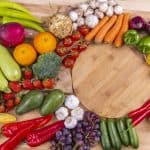
| Leafy greens (romaine, red leaf, cilantro) | Most of a cup of mixed vegetables | Daily |
| Vitamin C vegetable (red bell pepper) | A slice or two | Daily |
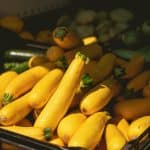
| Other vegetables (cucumber, zucchini) | Small pieces | A few times a week |
| Fruit (strawberry, apple, blueberry) | A thumbnail-sized piece | Two or three times a week |
| Fresh water | Unlimited | Changed daily |
Foods to avoid
- Onion, garlic, chives and leeks.
- Chocolate, caffeine, avocado and rhubarb.
- Meat, dairy, bread, crackers and sugary snacks.
- Seed, nut and corn “treat” mixes and yogurt drops.
For a longer list, see foods toxic to guinea pigs.
Why hay comes first
Guinea pigs need constant chewing to grind down teeth that never stop growing, and they need fiber to keep the gut moving. Fresh hay should be green and sweet-smelling, not brown, dusty or moldy. Learn more in hay for guinea pigs.
Vitamin C
Guinea pigs cannot make vitamin C, so they must get it from food daily. Bell pepper, parsley, and fortified pellets help. Ask your vet before adding supplements.
Bottom Line
Keep hay in front of your guinea pig at all times, offer a small serving of plain pellets, rotate fresh vegetables daily, and keep fruit as an occasional treat. For a full feeding plan, see how often to feed guinea pigs.
General information, not veterinary advice. Babies, pregnant sows and sick guinea pigs have different needs, so check with an exotics vet.