You can make a good homemade duck feed, but it needs to be balanced. Ducks need adequate protein, extra niacin, and calcium if they lay, which plain scratch grain or kitchen scraps do not provide. The safest approach is a commercial waterfowl or flock feed as the base, plus a homemade mix as a supplement or treat. Here is how to do it.

What Ducks Need
- Protein: about 20 percent for ducklings, 16 to 18 percent for adults, and a little higher for laying hens.
- Niacin (vitamin B3): ducks need more than chickens. Low niacin can cause leg problems in ducklings. Brewer’s yeast is a popular, inexpensive source.
- Calcium: laying ducks need oyster shell or crushed eggshell offered free choice.
- Grit and water: ducks need grit to grind food and water deep enough to dunk their bills while eating.
Simple Homemade Supplement Mix
This is a supplement, not a complete diet:
- 4 cups whole oats, rolled oats, or barley
- 2 cups cracked corn
- 2 cups wheat or other whole grain
- 1 cup split peas or lentils (cooked for ducklings), or dried mealworms for extra protein
- 1/2 cup brewer’s yeast
Mix and store in a covered, dry container. Feed it alongside, not instead of, a complete waterfowl or all-flock feed. Soaking grain in water for a few hours makes it easier for ducks to eat. For fermented versions, see our guide to fermenting duck feed.
Foods Ducks Love
- Peas (fresh or frozen), corn, and chopped greens like lettuce and kale
- Cucumber, zucchini, and shredded carrot
- Earthworms, mealworms, and slugs
- Chopped berries in small amounts
For more ideas, read ducks’ favorite snacks and homemade duck food recipes.
What Not to Feed
- Bread and other processed human food, which fills ducks up without nutrition and can cause deformed wings in ducklings.
- Avocado, chocolate, onions, raw or dried beans, and moldy food.
- Salty snacks.
Feeding Tips
- Feed ducklings a duckling or all-flock starter, with added niacin, for the first weeks.
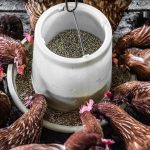
- Offer feed in a wide, shallow dish with water close by, since ducks need water to swallow.
- Remove leftovers each day to avoid mold and pests.
- Switch to adult feed gradually.
If a duck stops eating, becomes lethargic, or has trouble walking, call a veterinarian who sees poultry.
Bottom Line
Homemade duck feed works best as a supplement to a complete commercial feed, with extra niacin, protein, and calcium where needed. Avoid bread and junk food, and check with a vet if you want to rely mainly on homemade rations.