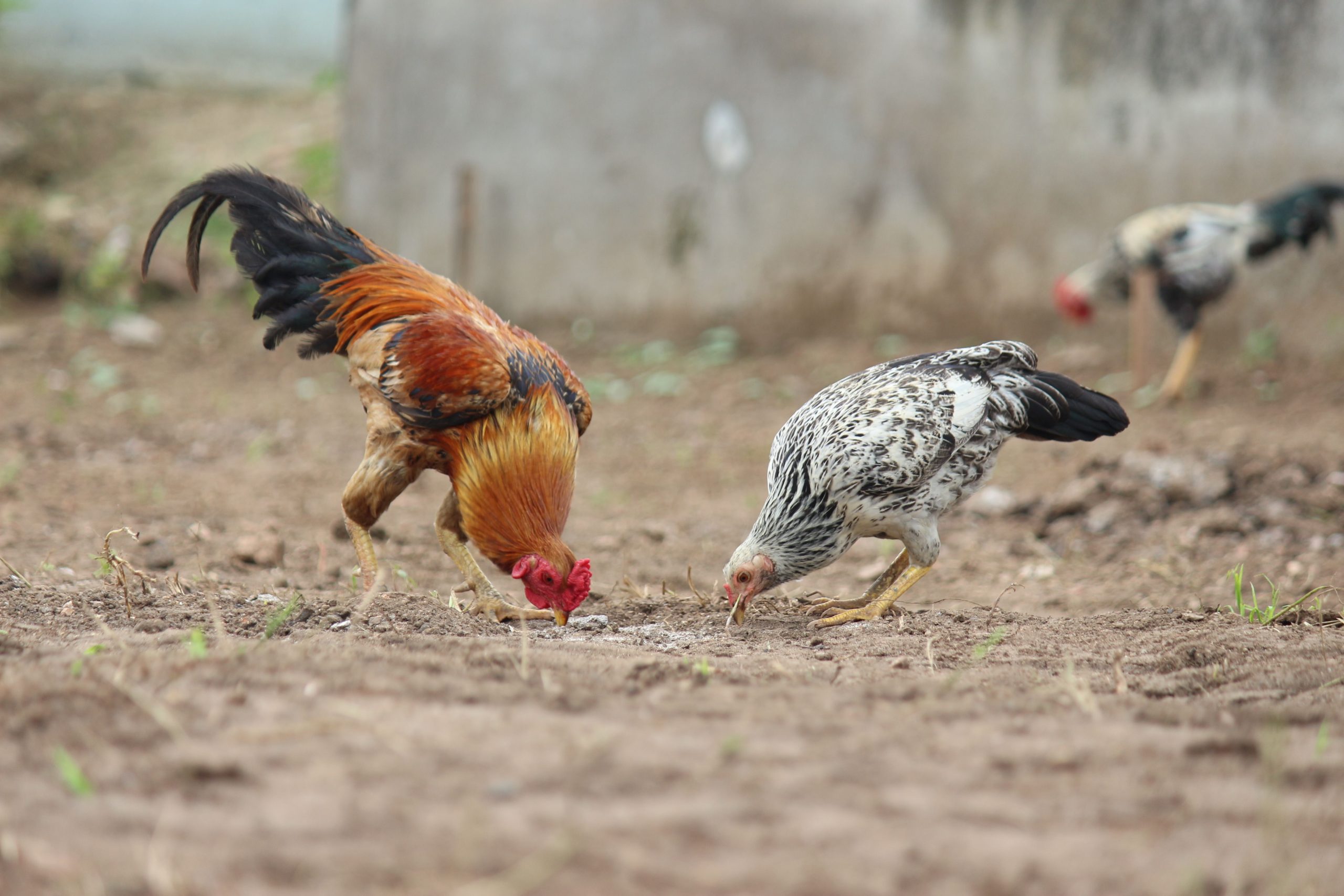
A 3-month-old chick (about 12 weeks) should eat a grower feed, or an all-flock feed with roughly 16–18% protein, plus fresh water and a little grit. Do not switch to layer feed yet. Layer feed is too high in calcium for birds that are not laying, and it can stress young kidneys.

What 3-Month-Old Chickens Actually Need
At this age your birds are in the “teenage” stage. They are mostly feathered out and growing fast, but they are not laying yet. Most breeds start laying somewhere around 18 to 24 weeks. The goal until then is steady frame and muscle growth.
- Feed: grower feed or all-flock feed with about 16–18% protein, in crumble or pellet form.
- Water: clean, fresh water at all times. Chickens that don’t drink well don’t eat well.
- Grit: insoluble grit (small stones) any time they eat anything besides complete feed, such as grains, greens or scraps. Chickens have no teeth, so the gizzard uses grit to grind food.
- Calcium: none extra yet. Put out a separate dish of oyster shell only when the first eggs show up.
The Feeding Timeline at a Glance
- Hatch to about 8 weeks: chick starter, around 18–20% protein.
- About 8 to 18 weeks: grower feed, around 16–18% protein. This is where your 3-month-olds are.
- From about 18 to 20 weeks, or when the first egg appears: layer feed, around 16% protein with added calcium. Move over gradually, mixing the old and new feed for a week.
Exact timing varies a bit by brand and breed, so check the tag on your bag. If you keep a mixed flock with roosters, ducks or birds of different ages, an all-flock feed with oyster shell offered on the side works well. For more on how feed forms differ, see our guide to pellet vs crumble chicken feed and what chicken crumble feed is.
Medicated or Non-Medicated Feed?
Medicated starter contains amprolium, which helps chicks build resistance to coccidiosis, a common intestinal parasite. It is meant for young chicks, and most people stop it when the chicks move to grower feed. If your chicks were vaccinated for coccidiosis, use non-medicated feed, because the medication can cancel out the vaccine. When in doubt, ask the hatchery or your vet.
Safe Treats for 3-Month-Old Chickens
Treats should stay under about 10% of the daily diet. Anything beyond that dilutes the protein and vitamins in their balanced feed.
- Ripe tomatoes: fine in small amounts. Keep the green parts away, since leaves and stems of nightshade plants contain solanine.
- Rolled oats: a small handful is fine as an occasional snack.
- Hard-boiled eggs: chopped up, they are a good protein boost, especially during molting.
- Plain yogurt or cottage cheese: small amounts only, as dairy can upset the gut when overdone.
- Leafy greens and grass: great, and they encourage foraging.
- Mealworms: a favorite, but use them as a treat, not a meal.
Avoid: avocado, chocolate, raw or dried beans, moldy or spoiled food, very salty foods, and green potato skins.
Common Feeding Mistakes
- Feeding layer feed too early. The extra calcium is for laying hens, not growing pullets.
- Too many treats. Birds fill up on snacks and skip the feed that has their vitamins.
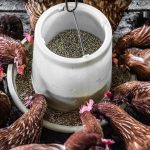
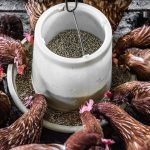
- Open dishes. Birds scratch and poop in them. A hanging or raised feeder keeps feed cleaner and cuts waste.
- Letting feed get damp. Wet feed grows mold quickly. If you soak feed on purpose, see soaking chicken feed and only soak what they will finish in a few hours.
Buying Feed
Farm stores carry grower and all-flock options. If you shop at Tractor Supply, our guide to finding quality chicken feed at Tractor Supply explains how to read the feed tag.
Bottom Line
Feed 3-month-old chicks a grower or all-flock feed with 16–18% protein, keep fresh water and grit available, and hold off on layer feed until they are close to laying. If a bird looks thin, lethargic or has runny droppings, call a poultry-savvy vet.