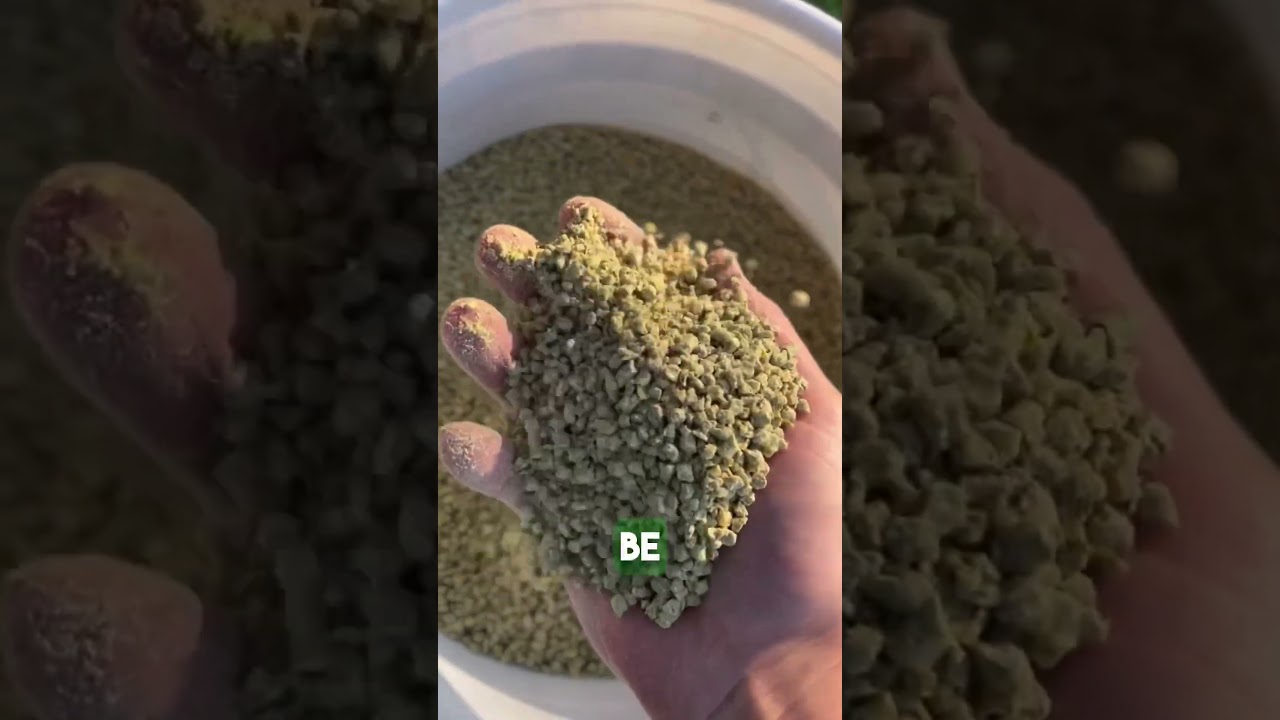
To pick the right Tucker Milling chicken feed, match the feed to your birds’ age and job: a starter/grower for chicks, a layer feed for hens producing eggs, and a complete flock feed if you keep mixed ages. Read the feed tag on the bag, because it tells you who the feed is for, the protein level, and whether it is a crumble, pellet or mash.

About Tucker Milling
Tucker Milling is a feed manufacturer that sells poultry rations through independent feed stores in the Southeastern United States. Product names and formulas change, so treat the bag in your hand as the final word and check the current lineup with your local feed store.
Read the Feed Tag First
Every U.S. poultry feed carries a tag. Look for these items:
- Intended animal and stage: starter, grower, layer, broiler or all-flock.
- Crude protein: the minimum percentage, such as 16% or 18%.
- Calcium: layer feeds contain extra calcium for eggshells.
- Medication: medicated feeds contain a coccidiostat (see below).
- Form: crumble for chicks, pellet or crumble for adults, mash for fine feeding.
Match the Feed to the Bird
Chick starter/grower (day-old to about 16-18 weeks)
Chicks double their weight quickly, so they need a higher protein feed, usually 18-20%. Starter/grower is lower in calcium than layer feed because too much calcium can harm growing birds.
Layer feed (from the start of laying)
Layer feed usually runs 16-18% protein with 3.5-4% calcium to build strong shells. Switch pullets to layer feed at about 18 weeks or when the first egg appears, and not earlier. A higher-protein layer ration such as a 20-22% product can suit heavy producers or hens in molt, but most backyard hens do fine on a standard layer feed.
All-flock feed
If you keep chicks, hens and roosters together, an all-flock feed with a lower calcium level works well. Offer crushed oyster shell in a separate dish so laying hens can take what they need.
Medicated or Non-Medicated?
Medicated starter contains a coccidiostat that helps chicks build resistance to coccidiosis, an intestinal parasite disease. Do not feed medicated chick feed to chicks that were vaccinated for coccidiosis, because it can cancel out the vaccine. Follow the withdrawal time on the bag before eggs or meat go to the table. Layer feed is normally not medicated.
Storage and Freshness
Buy only what your flock will eat in about a month. Store feed in a sealed metal or heavy plastic bin in a cool, dry place and check the manufacture or expiry date stamped on the bag. Throw out any feed that smells musty or has clumps or mold.
Common Mistakes
- Feeding layer feed to young chicks, which can strain their kidneys.
- Filling the feeder with scratch grains. Scratch is a treat, not a complete diet, so keep it to a small handful.
- Letting feed get wet. Damp feed grows mold quickly.
Bottom Line
Choose the Tucker Milling feed whose tag says it is made for your birds’ stage of life, store it dry, and add oyster shell and fresh water for layers. Compare it with other options in our guides to chicken feed at Tractor Supply, chicken feed brands at Rural King and Layena ingredients. If your birds seem sick, call a poultry vet or your state extension office.