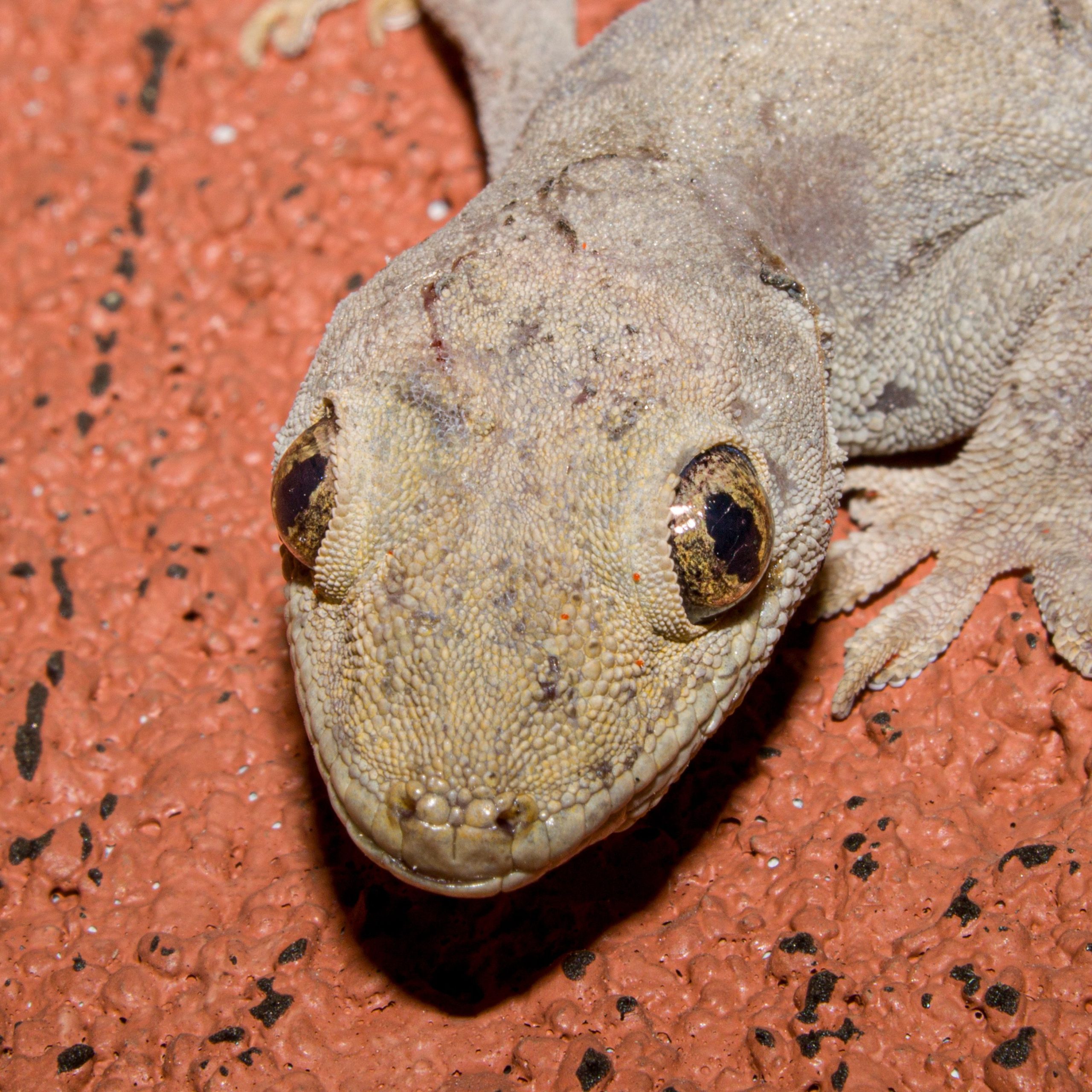
Common house geckos are insectivores. In captivity, feed them small, gut-loaded insects such as pinhead crickets, small dubia roaches, flightless fruit flies, and tiny mealworms, dusted lightly with calcium. They do not need fruit or vegetables, although some house geckos will lap a little nectar-style gecko diet.

What house geckos eat
In the wild, house geckos hunt around porches and walls at night. Their prey is mostly small insects and other tiny invertebrates: moths, flies, small roaches, ants, spiders, and beetles. A good captive menu copies that variety.
- Staples: small crickets, dubia roach nymphs, and flightless fruit flies for babies.
- Occasional foods: small mealworms, silkworms, and the odd waxworm as a treat.
- Not needed: fruit, vegetables, eggs, and grains. Gecko “diets” that list insects as the base are fine, but a gecko should not rely on them alone.
Calcium and supplements
Insects are low in calcium and high in phosphorus. To prevent metabolic bone disease, keep a small dish of plain calcium powder in the enclosure if your gecko will use it, or dust feeders lightly two or three times a week. Use a vitamin powder only as the package directs. Gut-load crickets and roaches with oats, greens, and a commercial gut-load diet 24 hours before feeding.
How much and how often
Feed juveniles every day and adults every second day. Offer as many appropriately sized insects as the gecko will eat in about 15 minutes, then remove any that are left so they do not bite or stress your gecko. Prey should never be bigger than the space between your gecko’s eyes.
Water and humidity
House geckos drink droplets from leaves and walls. Mist the enclosure lightly once a day so droplets form, and keep a very shallow water dish. Let the enclosure dry between mistings to avoid mold.
Things to avoid
- Wild-caught insects, which may carry pesticides or parasites.
- Fireflies, which are toxic to many reptiles.
- Large, hard-shelled insects that can cause impaction or choking.
Related guides
See our other gecko feeding guides for house gecko diets, Mediterranean geckos, and the full leopard gecko diet.
Bottom Line
Feed common house geckos a variety of small, gut-loaded, calcium-dusted insects and provide clean water droplets. If your gecko stops eating, becomes thin, or has soft or bent limbs, contact an exotics vet.
This article is general information, not veterinary advice.