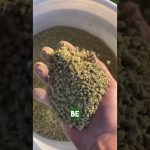
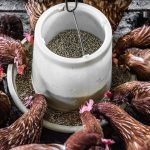
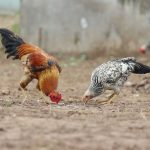
The best chicken feed on Amazon is the one that matches your birds’ age and purpose: a starter feed for chicks, a grower for young birds, and a layer feed for hens producing eggs. Rather than trusting a “top 10” ranking, compare protein, calcium, the first ingredients and the delivery cost per pound.

Match the feed to the bird
- Starter (chicks to about 8 weeks): Usually 18 to 20 percent protein. Medicated starter helps protect against coccidiosis in chicks that have not been vaccinated.
- Grower (about 8 to 18 weeks): Lower protein, usually 15 to 16 percent, to support steady growth.
- Layer (from point of lay): About 16 percent protein with added calcium, usually 3.5 to 4 percent, for strong eggshells. Do not feed layer feed to chicks, because the extra calcium can harm growing birds.
- All-flock or flock raiser: A single feed for mixed flocks of chicks, hens and roosters. Hens in this setup need oyster shell offered on the side.
Our guides to chicken finisher feed and pellet vs crumble chicken feed explain more about types and forms.
What to look for on the label
- Protein and calcium percentages: Match the numbers above for the age of your flock.
- First ingredients: Grains such as corn, wheat or oats are normal, but look for named protein sources like soybean meal, fish meal or peas.
- Non-GMO, organic or soy-free: These labels reflect preference, not necessarily better nutrition. Pick them if they matter to you, but expect to pay more per pound.
- Medicated or unmedicated: Use medicated chick starter as directed by the label, and do not use it if you are feeding layers or ducks without checking the instructions first.
- Manufacture and best-by date: Fresh feed matters. Fats go rancid and nutrients degrade with age.
Buying chicken feed on Amazon
Online ordering is handy, especially for specialty feeds that are hard to find locally. But feed is heavy, so check these before you buy:
- Price per pound, including shipping: A cheap-looking bag can cost more than local feed once shipping is added. Compare against your local feed store, as in our post on chicken feed at Tractor Supply.
- Bag size: Smaller bags cost more per pound but stay fresher if you only have a few birds.
- Reviews: Look for recent reviews that mention freshness, pellet quality and whether the bag arrived intact. Be cautious of reviews that read like advertising.
- Seller: Prefer a brand’s own store or a well-reviewed retailer over an unknown reseller.
Storing feed
Keep feed in a sealed metal or heavy plastic bin in a cool, dry place. Use it within about 6 to 8 weeks of purchase for best quality, and throw out anything damp, moldy or smelly. For more on one specific brand’s formulas, see our Scratch and Peck chicken feed review.
Bottom Line
There is no single best chicken feed for every flock. Choose by age and purpose, check the protein and calcium numbers, and compare the total delivered price against local options. If your hens stop laying or look unwell, ask a poultry vet or your local extension office for advice.