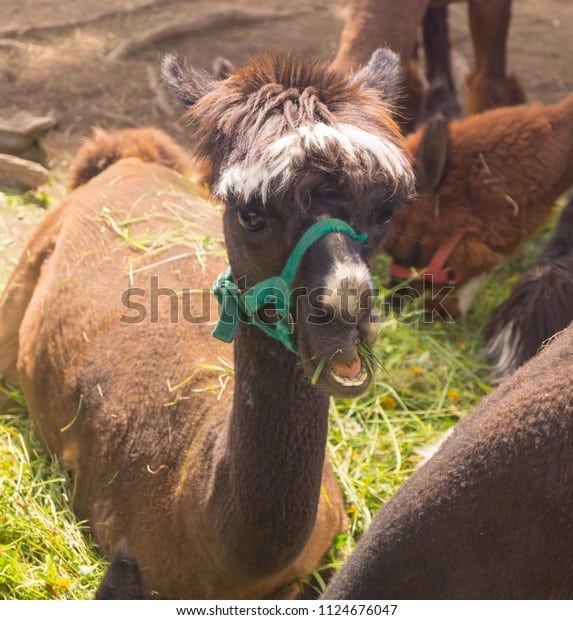
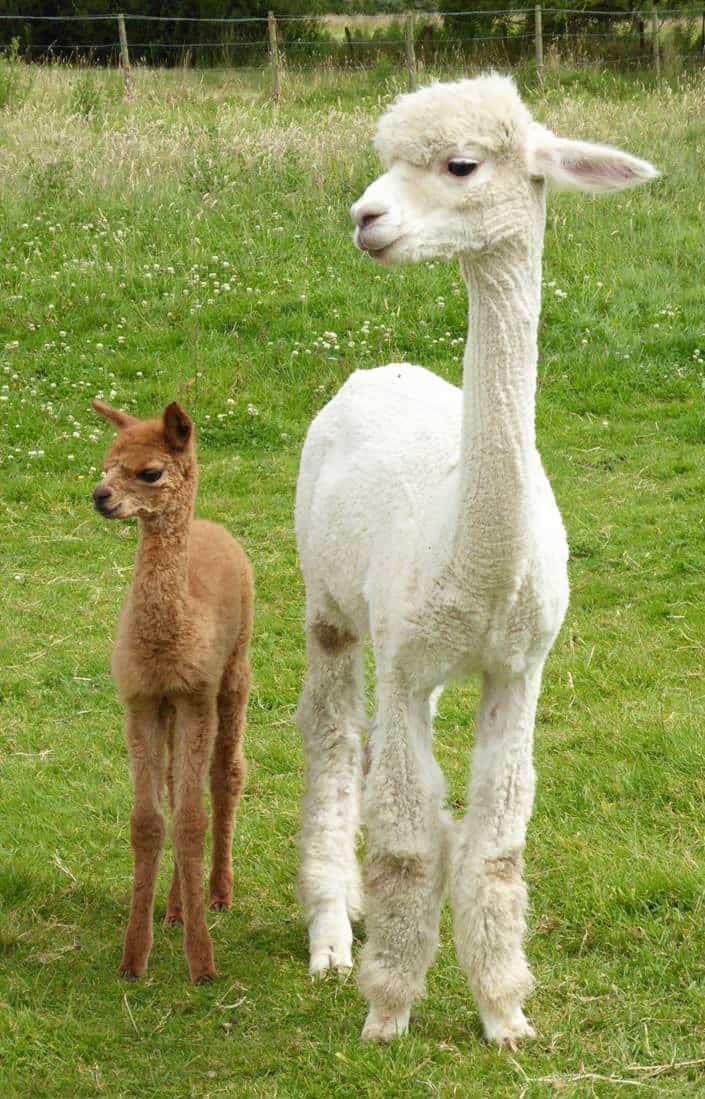
Llamas are browsers and grazers that do best on good grass pasture or hay, free-choice minerals and clean water. Most adult llamas need little or no grain. This guide covers how much to feed, when to add supplements and what to avoid.

Build the diet on forage
The Ohio State University Veterinary Medical Center recommends that llamas and alpacas have daily access to quality, mold-free hay and pasture, offered at about 1.5 to 3 percent of body weight, with a diet of roughly 10 to 12 percent crude protein for adults. Growing animals and late-pregnant or lactating females may need 12 to 16 percent.
- Pasture. Good grass pasture may be all an adult needs in the growing season.
- Hay. Offer grass hay or a grass-legume mix. Keep alfalfa moderate, because it is rich in calcium and protein.
- Rotate pastures. It lowers parasite pressure.
When to add concentrates
Pellets or grain make sense for growing youngsters, late-term and nursing females, thin or older animals, and in very cold weather. Use a pellet made for llamas and alpacas, introduce it slowly, and keep amounts modest. Too much grain can cause acidosis and obesity. See also alpaca pellets.
Minerals and water
- Offer a free-choice mineral made for camelids and for your region. Loose minerals are preferred over blocks.
- Be careful with copper and selenium. Both can be toxic in excess, so do not add extra supplements without veterinary advice.
- Provide clean, unfrozen water at all times. Llamas should not have to break ice.
Treats
Small pieces of carrot, apple or pumpkin are fine occasionally. See the best treats for llamas, and what alpacas can eat for safe and unsafe foods. Avoid anything moldy, and never feed lawn clippings or kitchen scraps.
Watch body condition
A llama’s fleece hides weight, so feel the spine and ribs by hand at least twice a year. Weight loss, listlessness, pale gums or clumped stool deserve a vet visit. Obesity raises the risk of heat stress.
Bottom Line
Feed llamas mostly pasture and hay, add pellets only for animals that need them, and keep minerals and water available. Work with a camelid-experienced veterinarian on deworming, minerals and body condition.
This article is general information, not veterinary advice.