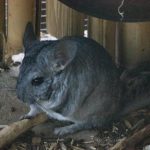
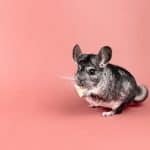
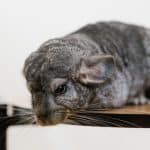
Chinchillas need very little fresh vegetable. Their diet should be mostly unlimited timothy hay, with about 1 to 2 tablespoons of pellets a day, and a small handful of safe greens at most. Too much fresh food can cause gas, loose droppings and bladder stones.

The foundation: hay and pellets
Long-strand grass hay, such as timothy, should be available all the time. It supplies fiber and wears down teeth that never stop growing. Pellets are a small supplement, not a main meal. See our guide to choosing chinchilla pellets.
How much fresh produce
Merck Veterinary Manual advises a small amount of dark green lettuce, such as romaine or green leaf, daily, plus occasional bell pepper, carrot tops or celery. Fruit should make up less than 10% of the diet. There is no fixed serving that suits every chinchilla, so start tiny and watch the droppings.
Foods to limit or skip
- High-calcium greens such as kale, parsley and dandelion greens, which can contribute to bladder stones.
- Alfalfa hay for adults, for the same reason.
- Sugary foods: carrots, grapes, bananas and dried fruit.
- Nuts, seeds and grains, which upset the stomach.
- Cabbage-family vegetables and beans, which cause gas.
Introducing new foods
Chinchillas have sensitive digestive systems. Try only one new food at a time, in a tiny piece, and wait several days. Wet or sticky droppings, bloating or a hunched posture mean you should stop and call a vet.
Hygiene
Remove uneaten fresh food the same day, since it can mold. Wash produce well. Offer fresh water daily.
Bottom Line
Hay first, pellets second, produce a distant third. For safe and unsafe foods, see What Can I Feed My Chinchilla? and Can Chinchillas Eat Fruits and Vegetables?
This article is general information, not veterinary advice. Call an exotic-pet vet if your chinchilla stops eating or has diarrhea.