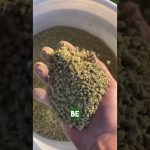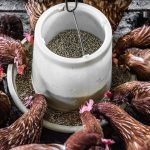
The right chicken feed is a complete feed made for your birds’ age: a starter for chicks, a grower for young birds, and a layer feed for hens that are laying. Check the tag for the protein and calcium numbers, and you can skip most of the marketing on the bag.

Match the feed to the age of your birds
- Chick starter (hatch to about 6-8 weeks): usually 18-20% protein. Chicks need it for fast growth.
- Grower or developer (about 8-18 weeks): a little lower in protein, with no extra calcium for young pullets.
- Layer feed (when hens start laying): usually around 16% protein with about 3.5-4.5% calcium for strong eggshells.
- All-flock or flock-raiser feed: a middle option for mixed flocks. Offer oyster shell in a separate dish so only the laying hens take the extra calcium.
Do not feed layer feed to chicks or to roosters-only groups. The extra calcium can strain young kidneys.
What to read on the feed tag
Protein
Protein builds muscle, feathers and eggs. Good feeds list the minimum crude protein on the tag. If your hens look thin or drop egg production, check that you are feeding a complete feed and not mostly scratch grains or table scraps.
Calcium and phosphorus
Laying hens need calcium for eggshells, and phosphorus helps them use it. A good layer feed already balances both. Offering free-choice oyster shell on the side lets each hen take what she needs.
Vitamins and minerals
Complete feeds already include a vitamin and mineral premix. If you feed a complete feed, you generally do not need to add vitamin powders. Extra supplements can throw the balance off.
Pellets, crumbles or mash
All three work. Pellets waste less, crumbles suit smaller birds, and mash is easy to wet or ferment. Pick one that your birds eat cleanly, and switch gradually over a week. For more on formats, see our guide to pellet vs crumble chicken feed and what is in commercial chicken feed.
Treats, scratch and extras
Keep treats and scratch grains to about 10% of the diet. Whole grains such as wheat are fine in moderation, as covered in feeding wheat to chickens. Chickens also need grit if they eat anything besides a complete crumble or pellet.
Storing feed and keeping birds healthy
- Store feed in a sealed metal or heavy plastic bin in a dry place. Moldy feed can make birds sick, so throw out anything damp or musty.
- Clean feeders and waterers often, and keep the coop dry and tidy.
- Always provide fresh water. Hens drink a lot more than most people expect.
- Use only feed labeled for chickens. Some feeds made for other animals contain additives that are unsafe for poultry.
If birds seem sick, stop eating, or have a sudden drop in egg production, call a poultry-savvy vet or your local extension office. This article is general information, not veterinary advice.
Bottom Line
Pick a complete feed that matches your birds’ age, check the protein and calcium on the tag, and give treats in small amounts. For finishing meat birds, see our post on chicken finisher feed.