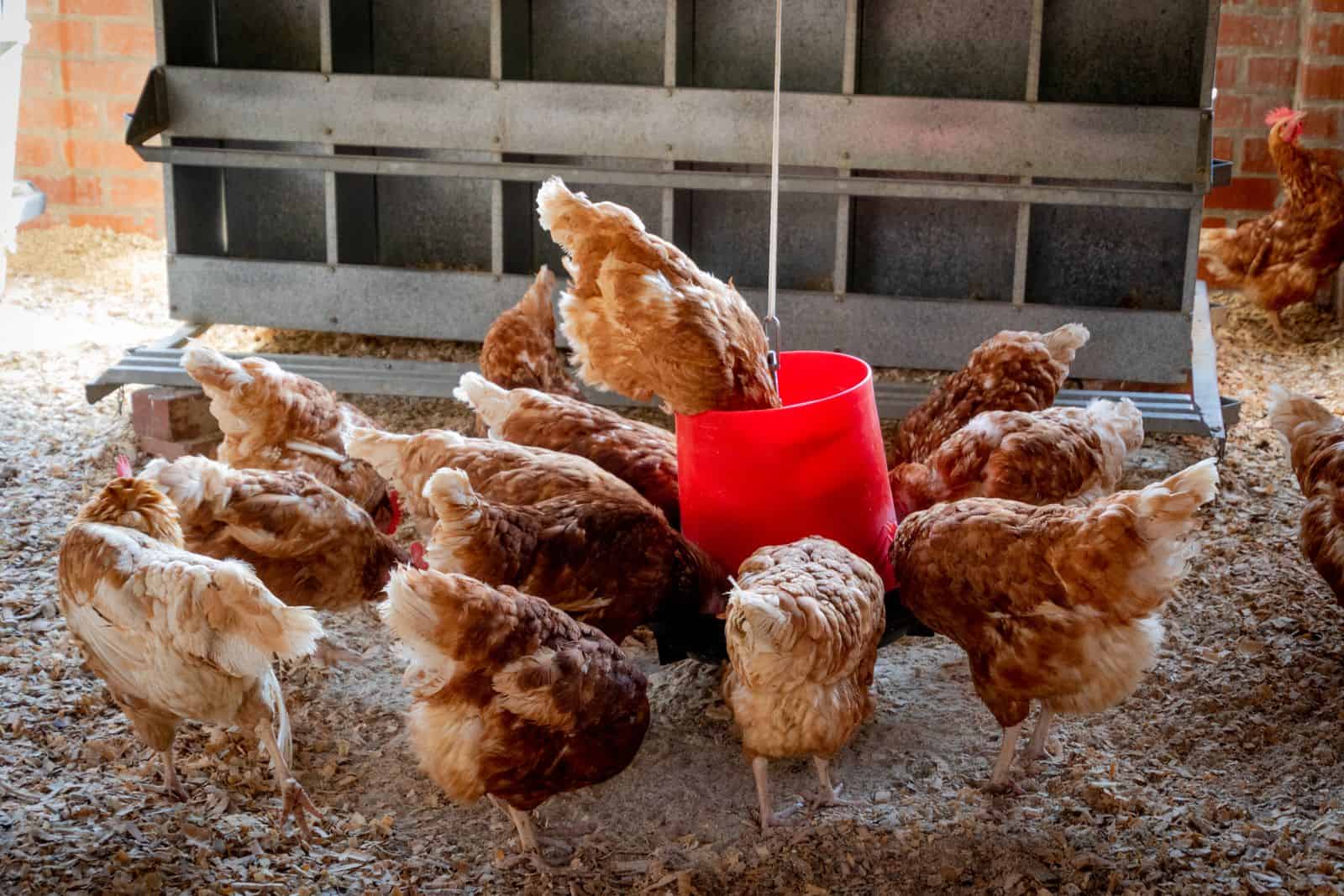
Ready-to-lay (RTL) hens do best on a complete layer feed, free-choice calcium and plenty of clean water. Treats and scratch grains should stay a small extra. This guide covers what to feed when pullets move into the laying phase.

What Does RTL Mean?
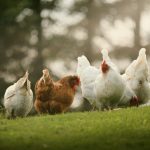
RTL stands for “ready to lay.” These are young hens (pullets) that are close to the age when they begin producing eggs, usually somewhere around 16 to 20 weeks. If you are setting up housing for them, see our post on RTL chicken cages.
Switch to Layer Feed at the Right Time
Growing pullets need a lower-calcium grower or developer feed. Laying hens need much more calcium for eggshells, and layer feeds are made for that. University extension poultry guides suggest moving pullets to layer feed when they start laying, around 20 weeks of age. Switching too early can push too much calcium on a young bird.
- Protein: most layer feeds run about 16%, and extension guides cite a range of roughly 15 to 18%.
- Calcium: layer feeds typically contain about 2.5 to 3.5% calcium, compared with about 1.2% in growing feeds.
- Complete feed: choose a feed formulated as a complete ration, so you do not need to add vitamins yourself.
Feeding Routine
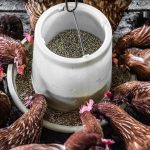
- Keep feed in front of the hens during daylight so they can eat when they want.
- Many keepers feed a little less in the morning and more later in the day, because eggshells are formed overnight. This is a practice, not a requirement.
- Adjust feeders so hens do not scatter or waste feed.
- Store feed in a cool, dry, rodent-proof container and use it while fresh.
Not sure which form to buy? Our guide to pellet vs. crumble chicken feed can help.
Calcium, Grit and Treats
- Oyster shell: offer ground oyster shell in a separate dish. Hens take what they need. Thin or cracked shells can be a sign that they need more.
- Grit: if hens eat scratch grains or forage, provide grit. Oyster shell is too soft to work as grit.
- Treats and scratch: keep these small, and offer them after the hens have eaten their regular feed. A rule of thumb is only what they finish in about 15 to 20 minutes. See Grubblies chicken treats for an example.
Water and Comfort
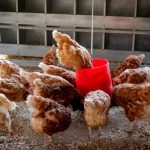
Hens drink a lot, and water is as important as feed. Keep waterers clean and full, and shade them in hot weather. A calm, quiet house helps reduce stress that can lead to fewer eggs. Birds that suddenly stop eating or drinking need attention.
Signs Your Feeding Plan Needs a Change
- Thin, rough or soft eggshells
- A sudden drop in laying
- Weight loss or a very thin keel bone
- Hens that look overweight and lay poorly
Talk to a poultry vet or your county extension office if you see these signs or if birds look ill. Do not give medications or supplements without veterinary advice.
This article is general information, not veterinary advice.
Bottom Line
Feed RTL hens a complete layer feed once they begin laying, keep oyster shell and clean water available, and treat extras as extras. If eggs or hen health change, ask your vet or extension office.