The best vegetables for guinea pigs are leafy greens such as romaine and red leaf lettuce, plus red bell pepper for vitamin C. An adult guinea pig does well on about one cup of mixed fresh vegetables a day, served alongside unlimited hay and a small portion of pellets.

Why vegetables matter
Guinea pigs can’t make their own vitamin C, so fresh vegetables are how they get it. Vegetables also add water, variety, and enrichment. Without enough vitamin C, a guinea pig can develop scurvy, with signs like weakness, rough coat, sore joints, and loss of appetite. Hay is still the most important food in the cage, so see hay for guinea pigs for what to buy.
Everyday staples
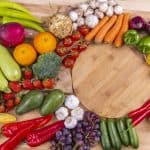
- Romaine, red leaf, and green leaf lettuce: a great base for the bowl. These are mild and well tolerated.
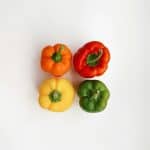
- Red, yellow, and orange bell pepper: the top vitamin C pick. Read more in our bell pepper guide.
- Cilantro and dandelion greens: well-liked herbs and weeds that add variety (use dandelions that haven’t been sprayed with chemicals).
- Cucumber and zucchini: watery vegetables that most guinea pigs enjoy. See zucchini for guinea pigs.
Rotate these a few times a week
- Kale, spinach, parsley, and beet greens: nutritious, but higher in calcium or oxalates. Because guinea pigs can form bladder stones, offer them in small amounts and not every day.
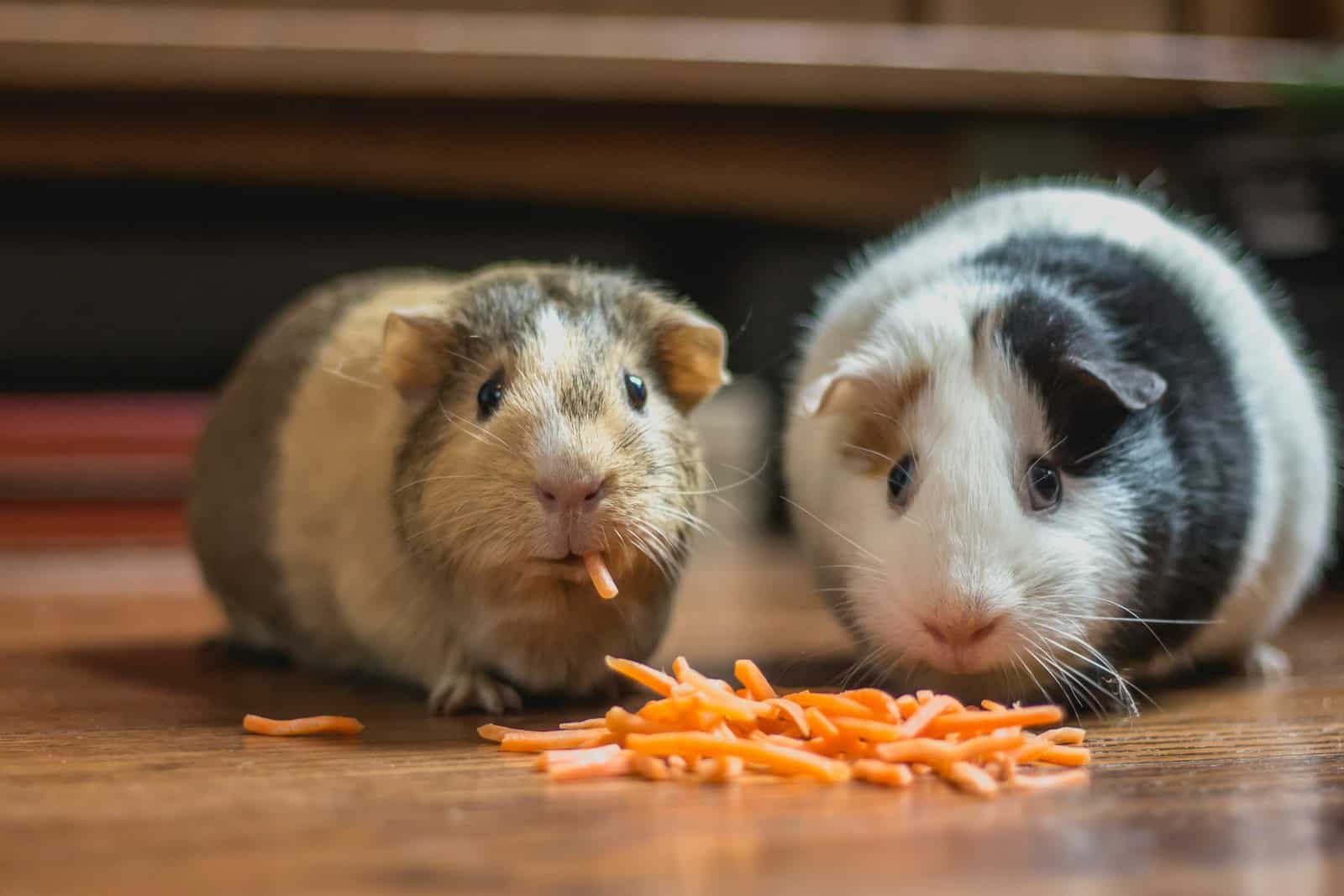
- Carrots and carrot tops: carrot tops are a good green, while the root is sugary and best as a small treat.
- Broccoli and cabbage family vegetables: offered in small amounts, since they can cause gas in some guinea pigs.
- Celery: fine in short pieces. See can guinea pigs eat celery.
Vegetables and plants to avoid
- Onion, garlic, leek, and chives
- Raw potato, potato skins, and potato sprouts
- Rhubarb, including the leaves
- Iceberg lettuce, which has little nutrition and can loosen stools
- Tomato leaves, stems, and green tomato
- Any cooked, salted, seasoned, or canned vegetable
For the longer list, see what foods are toxic to guinea pigs.
How to build a daily vegetable bowl
- Start with two or three leafy greens as the bulk of the bowl.
- Add a few slices of red bell pepper for vitamin C.
- Add one rotating extra, such as cucumber, zucchini, or a few pieces of carrot top.
- Wash everything, cut into bite-size pieces, and remove leftovers after a few hours.
Introduce new vegetables slowly, one at a time, in small pieces. If you notice soft stools or a drop in appetite, stop that food. You can find more general guidance in what guinea pigs eat and vitamin C foods for guinea pigs.
Bottom Line
Aim for about a cup of washed, varied vegetables a day, built on leafy greens with red bell pepper for vitamin C. Rotate higher-calcium greens, skip onions, potatoes, rhubarb, and iceberg lettuce, and always keep hay available.
This is general information, not veterinary advice. If your guinea pig stops eating, has diarrhea, or seems unwell, call your exotic-pet vet.