Feeding Fodder Beet to Beef Cattle

Fodder beet is a high-energy, high-sugar winter crop. How to transition cattle over two weeks or more, avoid acidosis and choke, and fill the mineral and protein gaps.

 Mary Nielsen
Fodder beet is a high-energy, high-sugar winter crop. How to transition cattle over two weeks or more, avoid acidosis and choke, and fill the mineral and protein gaps.
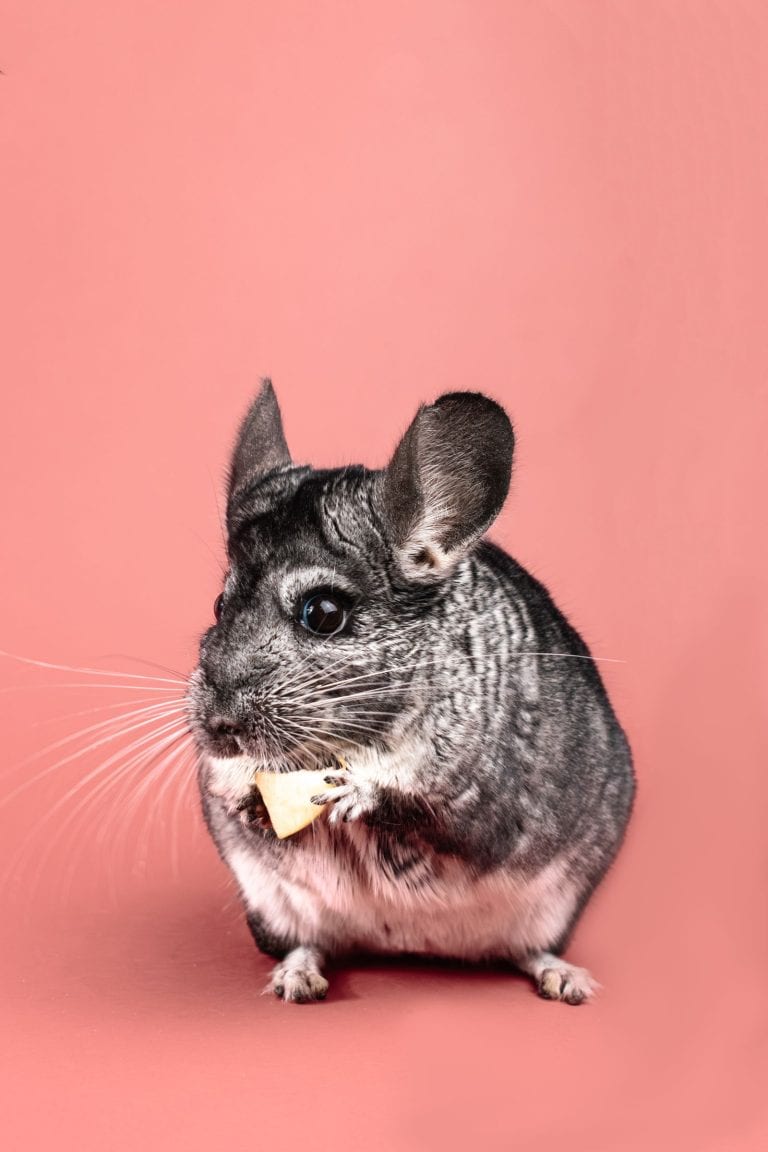
Learn how to choose the best chinchilla pellets: what to look for on the label, what to avoid, how much to feed, and how to switch brands safely.
Smartweed, Japanese millet, devil’s beggarticks and curly dock explained as wetland duck foods, plus how to use them with a balanced duck feed.
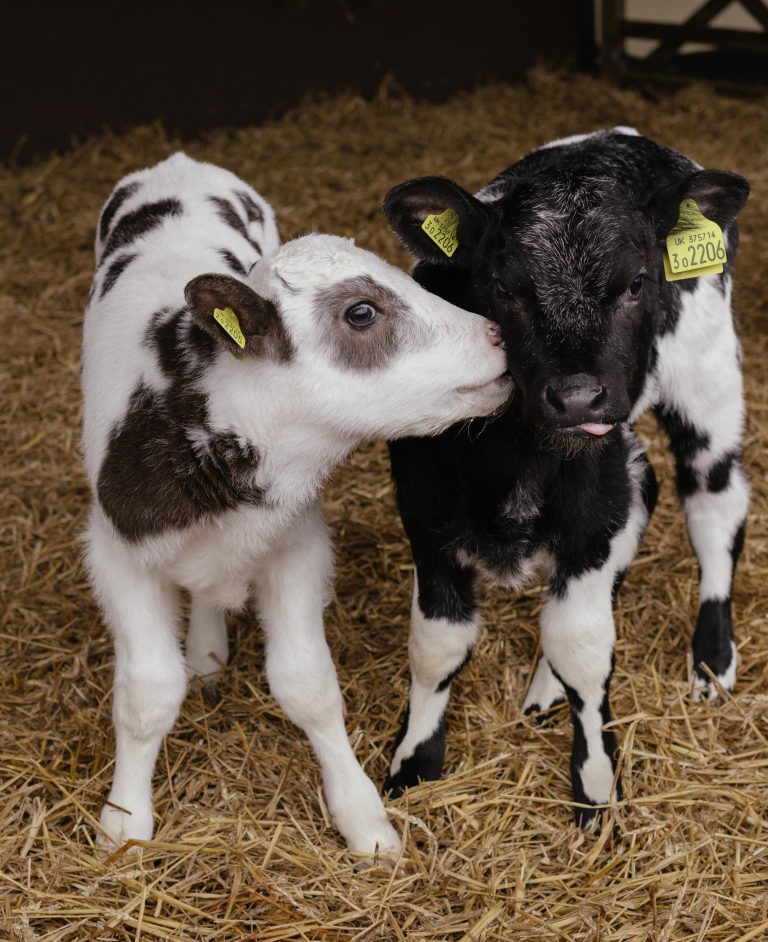
Range cubes are a convenient protein and energy supplement for cattle. Here are the real pros and cons and how to feed them well.
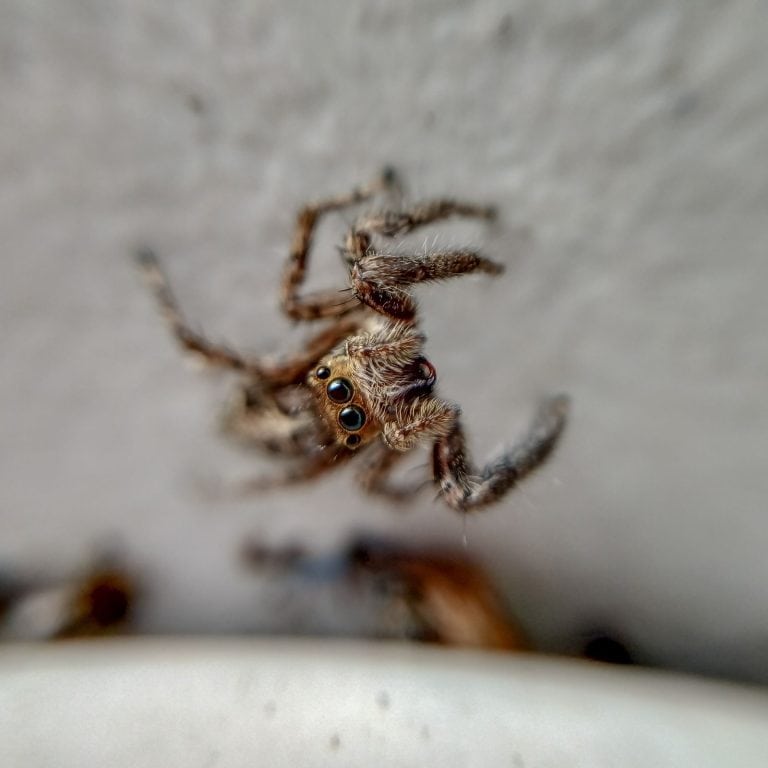
Baby spiders eat tiny prey such as springtails, flightless fruit flies, mites, and pinhead crickets. Learn what spiderlings eat in the wild and how to feed them as pets.
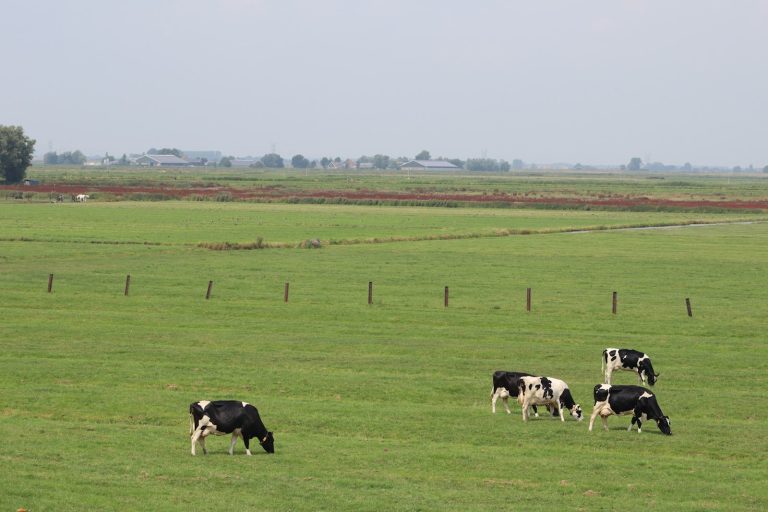
Sugar from molasses, beet pulp and similar feeds can add energy to beef cattle rations, but too much sugar and grain can upset the rumen. Here is how it works and how to feed it safely.
Step-by-step fermented duck feed: how to make it, what it should smell like, how long it lasts, and what the benefits (and limits) really are.

Convict cichlid fry need frequent small feedings of baby brine shrimp, crushed flakes, and microworms. Learn care basics and how to handle large broods.
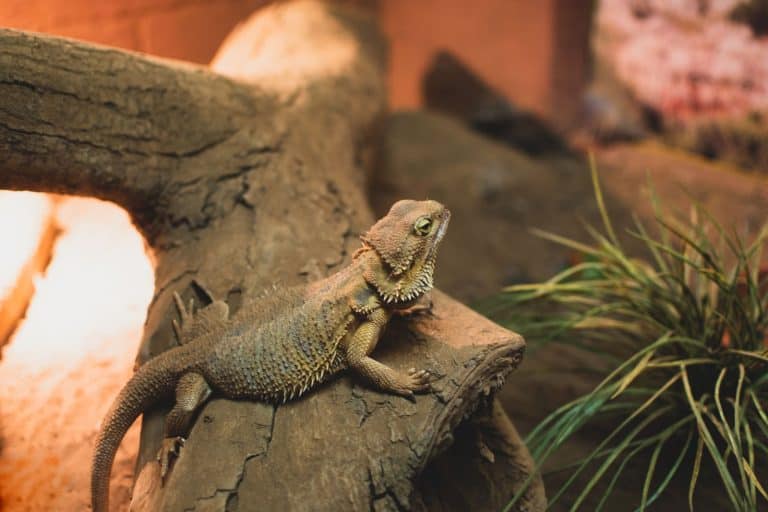
Bread offers little nutrition for bearded dragons and can crowd out the greens and insects they need. Here is what to feed instead.
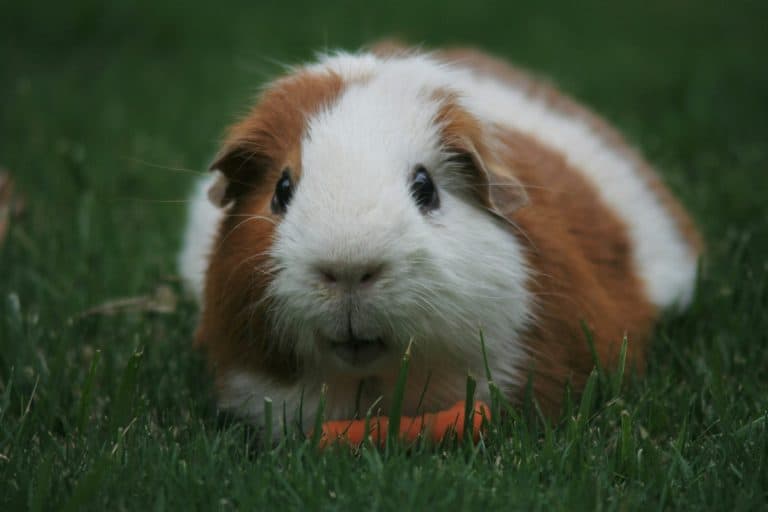
Guinea pigs eat mostly grass hay, plus about a cup of fresh vegetables a day, a small amount of vitamin C–fortified pellets, and fruit as an occasional treat. Here’s how to build a healthy diet and what to avoid.