Fermenting Duck Feed: How To, and Is It Worth It?
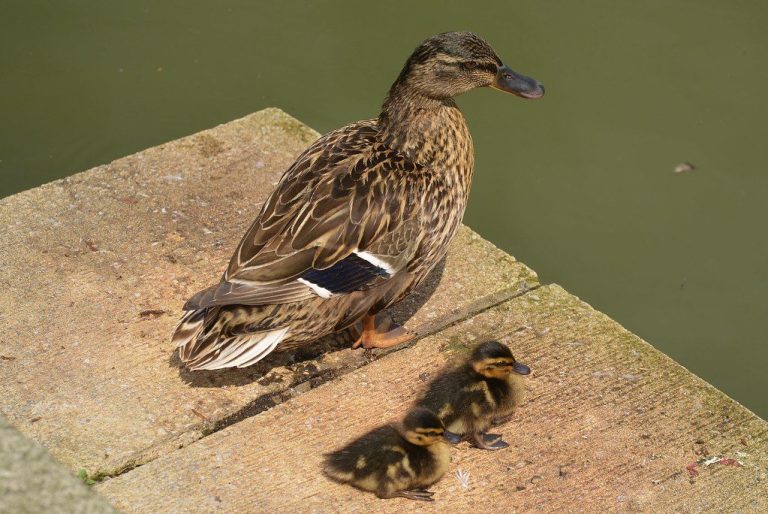
Step-by-step fermented duck feed: how to make it, what it should smell like, how long it lasts, and what the benefits (and limits) really are.

 Mary Nielsen
Step-by-step fermented duck feed: how to make it, what it should smell like, how long it lasts, and what the benefits (and limits) really are.

Convict cichlid fry need frequent small feedings of baby brine shrimp, crushed flakes, and microworms. Learn care basics and how to handle large broods.
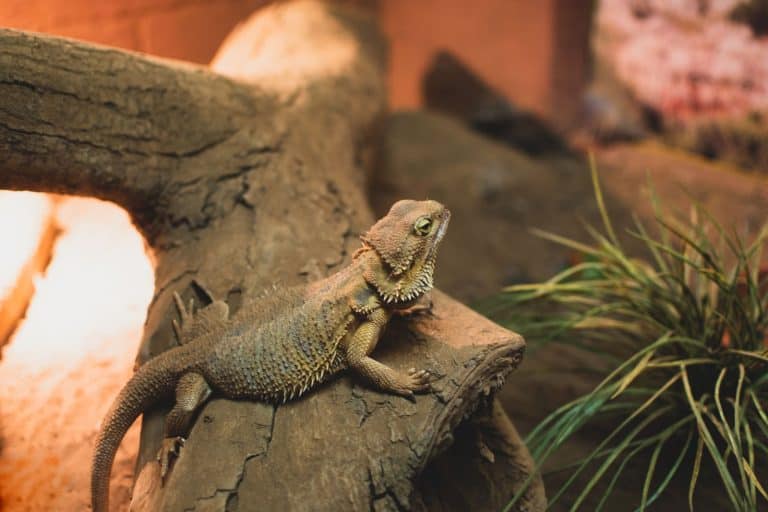
Bread offers little nutrition for bearded dragons and can crowd out the greens and insects they need. Here is what to feed instead.
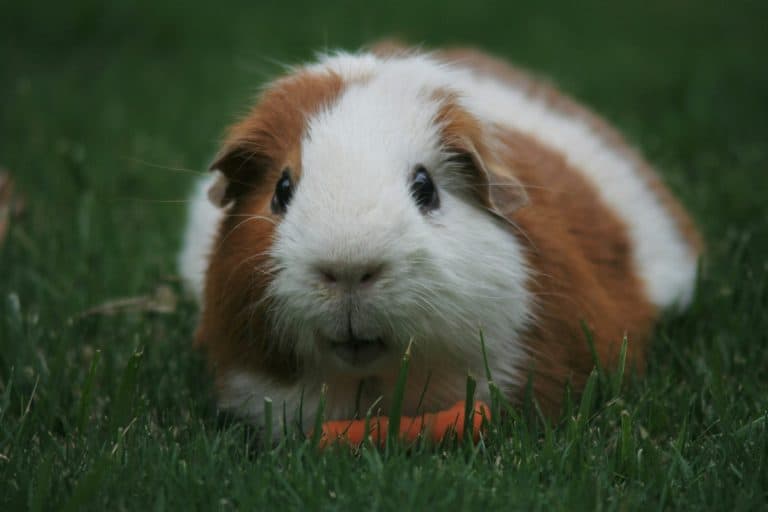
Guinea pigs eat mostly grass hay, plus about a cup of fresh vegetables a day, a small amount of vitamin C–fortified pellets, and fruit as an occasional treat. Here’s how to build a healthy diet and what to avoid.
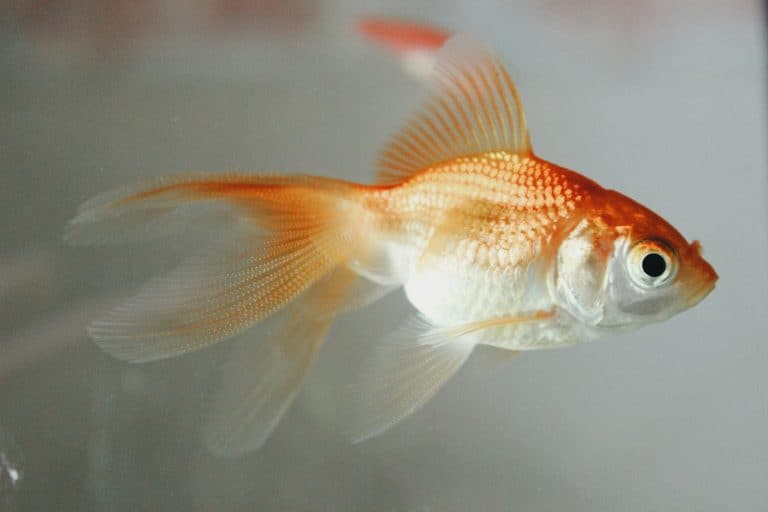
TetraFin Goldfish Flakes are a solid, low-cost staple for goldfish. Here’s what’s in them, how to feed them and when pellets or extra variety make more sense.
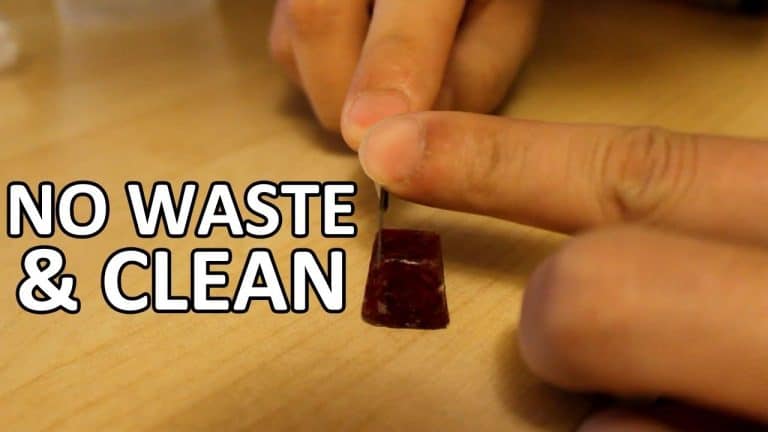
Feed a betta only a few frozen or soaked freeze-dried bloodworms as a treat once or twice a week. Here is how to prepare each type and the mistakes to avoid.
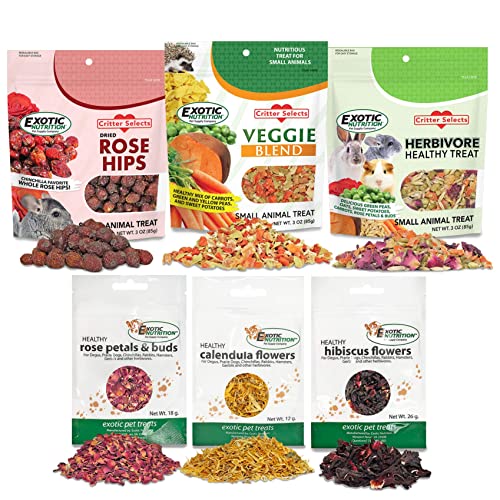
Chinchillas need unlimited hay, a small amount of pellets and only a little fresh produce. Here is how much is safe and what to avoid.
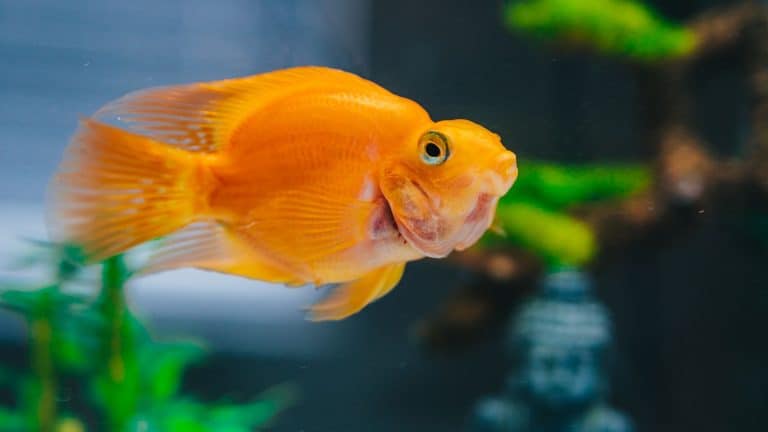
Goldfish can eat a tiny bit of cat food in an emergency, but it is too rich in protein and fat to feed regularly. Here is why, and what to feed instead.

Blue banded bees eat nectar and pollen from flowers. Learn which plants they visit, how they buzz pollinate, and how to attract these Australian solitary bees to your garden.

Wild Harvest Advanced Nutrition is a packaged parakeet diet sold in pet stores. Here is how to read its label, how it compares with pellets and seed, and what else your budgie needs.