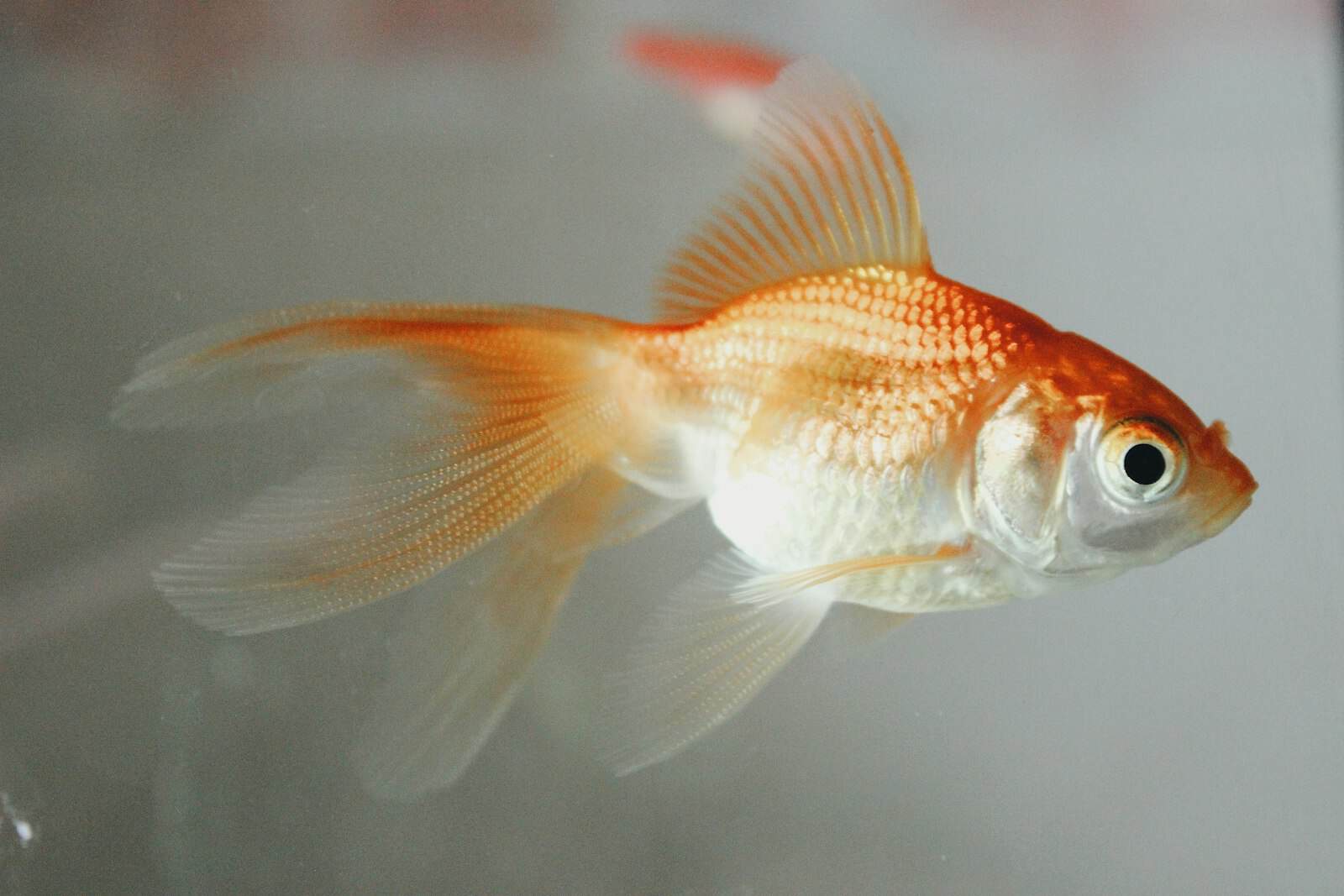
TetraFin Goldfish Flakes are a good everyday staple for goldfish. They are nutritionally complete, easy to find and inexpensive, and they are made by one of the oldest names in fish food. They work best as the base of a varied diet, and large or round-bodied fancy goldfish often do better with some sinking food as well.

One quick note on the name: “Tetra Fin” (written TetraFin on the label) is the name of the product, not a type of goldfish. The food is made for all common goldfish varieties.
Quick Facts
- Maker: Tetra, a fish-food company founded in Germany in 1951
- Made for: goldfish and small koi, in aquariums or outdoor ponds
- Type: floating flakes, sold as a complete daily diet
- Key features: Tetra’s ProCare blend (immunostimulants, vitamins, biotin and omega-3 fatty acids) and a “clear water” formula designed to be easy to digest
- Common sizes: roughly 1 oz, 2.2 oz and 7.06 oz cans, with larger tubs available from some sellers
- Label feeding directions: two to three times daily, only as much as your fish can eat within several minutes
What We Like
- Complete nutrition. It is formulated as a full daily diet, with added vitamins, minerals and trace elements.
- Made for goldfish. Goldfish need more plant matter and less protein than most tropical fish, so a goldfish-specific flake is a better fit than a general tropical flake.
- Digestible formula. Tetra designs the flakes to be easy to digest and says they won’t leach color into the water. Food that is digested well leaves less waste behind.
- Price and availability. You can find it at almost any pet store, grocery store or online retailer.
What to Watch
- Flakes float. Goldfish gulp at the surface when they eat floating food. Some keepers find this leads to bloating or buoyancy trouble in round-bodied fancy goldfish, and they soak flakes briefly or use sinking pellets for those fish.
- Easy to overfeed. A pinch of flakes looks small, and goldfish always act hungry. Leftover food rots and pollutes the water quickly.
- Not ideal for big fish. Large goldfish and koi need a lot of flakes to fill up and tend to make a mess. Pellets are usually more practical once fish get big.
- Freshness matters. Vitamins in flake food break down after the container is opened. Buy a size you will use within a few months and keep the lid closed tightly.
How to Feed TetraFin Goldfish Flakes
- Offer a small pinch and watch. Your fish should finish it within a couple of minutes.
- Feed small meals. The label allows two to three feedings a day, and many keepers find once or twice a day is plenty for adult fish.
- Net out anything left after a few minutes.
- Crush the flakes between your fingers for small or young fish.
- In ponds, feed less as the water cools. Goldfish slow down in cold water and stop needing regular food once it stays below about 50°F.
Add Some Variety
Flakes alone will keep a goldfish alive, but variety keeps it in better shape. A few times a week, swap a meal for one of these:
- Blanched, shelled peas or chopped leafy greens
- Sinking goldfish pellets or gel food
- Frozen or freeze-dried treats such as daphnia or brine shrimp
Our guide to feeding pond goldfish has more on seasonal feeding outdoors.
TetraFin vs. Other Goldfish Flakes
The closest competitor at this price is Wardley, which we cover in our Wardley Goldfish Flake Food review. Both are affordable, complete flake foods. TetraFin adds the ProCare vitamin and omega-3 blend, while Wardley is made without artificial colors. If you want to compare more brands, see our roundup of the best goldfish flakes.
Bottom Line
TetraFin Goldfish Flakes are a dependable, low-cost staple for most goldfish. Feed small amounts, keep the container fresh and mix in vegetables or sinking food now and then. If you keep fancy goldfish or large fish, use the flakes as one part of the diet instead of the whole thing.
If your goldfish stops eating, floats oddly or looks unwell, test your water first and contact a veterinarian who treats fish.

