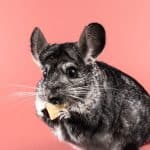
Chinchillas can eat dried rose hips as an occasional treat, but only a small amount and only if they are plain, seedless and unsweetened. They are not required for good health. Most of a chinchilla’s diet should be unlimited hay plus a small portion of pellets.

Buying rose hips
- Choose plain dried rose hips sold for small herbivores.
- Avoid mixes with honey, sugar, nuts, seeds or colored pieces.
- Check that the bag is fresh and dry, with no mold smell.
- Powdered rose hips are sold as a supplement, but ask a vet before using any supplement.
Preparing a treat
Whole hips contain seeds covered in fine hairs, which can irritate the mouth and gut, so use seedless pieces. Offer one small piece by hand. Let your chinchilla eat it right away and remove leftovers.
How much and how often
There is no official serving size. Keep treats to a tiny part of the diet, since fruit should be under 10%, and give rose hips only now and then, not every day. If droppings turn soft or smaller, stop.
Why not make treats a habit?
Chinchillas have sensitive digestion and teeth that grow all the time. Sweet foods can lead to obesity, dental problems and digestive upset, and they can crowd out the hay that keeps teeth and guts healthy.
Are rose hips needed for vitamin C?
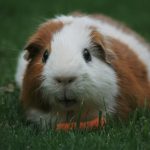
No. Unlike guinea pigs, chinchillas do not depend on a vitamin C treat, so a chinchilla on good hay and a quality pellet does not need rose hips as a supplement.
Better chew options
Safe chew items such as untreated wood and long-strand hay wear teeth better than treats do.
What to feed instead
The best daily foods are fresh timothy hay, a quality pellet, and fresh water. For safe occasional extras, see Best Treats for Chinchillas and our second rose hips guide.
Bottom Line
Rose hips are a fine rare treat, but not a supplement your chinchilla needs. When in doubt, ask your exotic-pet vet.
This article is general information, not veterinary advice.