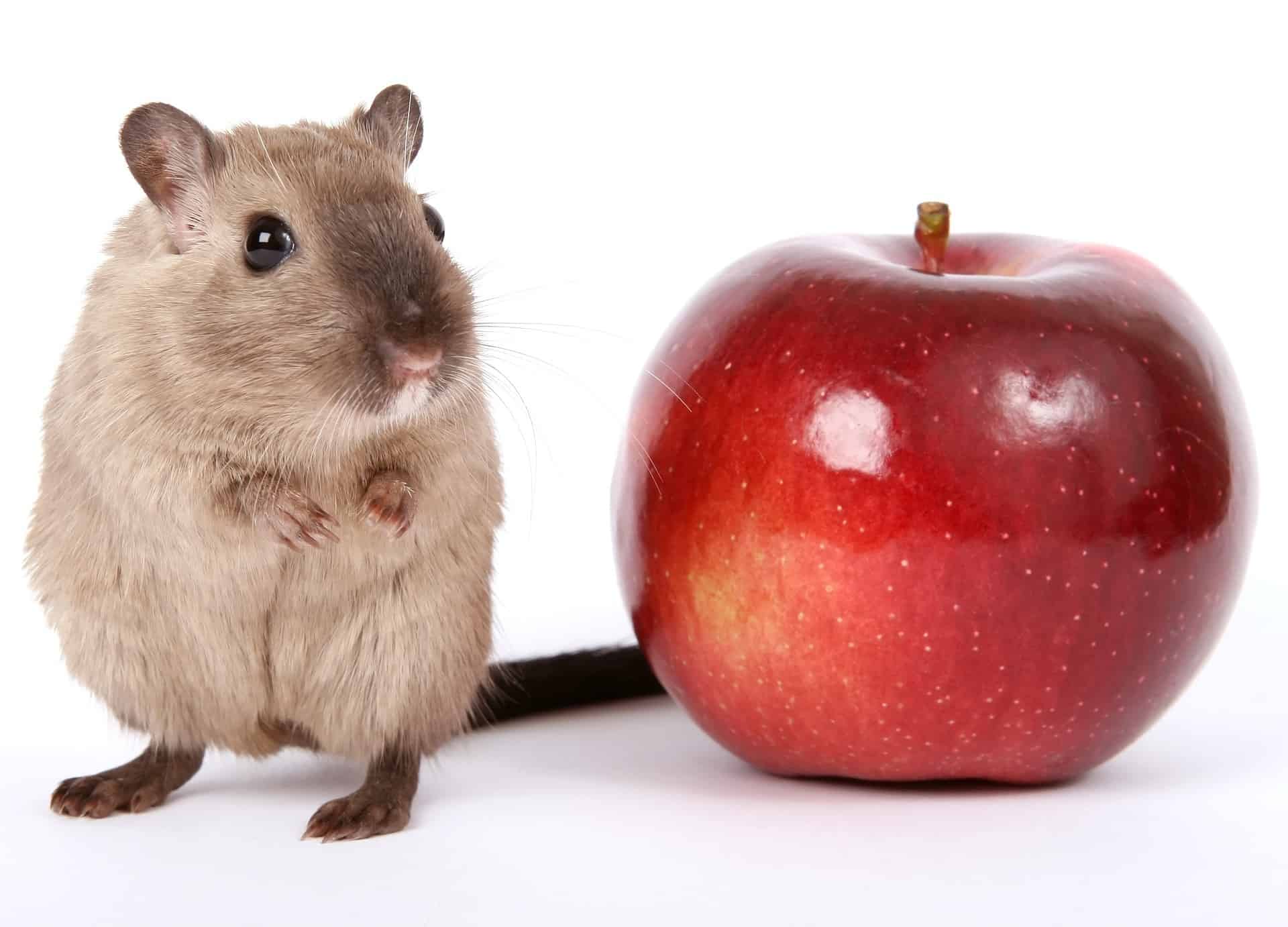
The best hamster and gerbil food is a nutritionally balanced pellet or lab block, or a high-quality seed mix with little added sugar, supplemented with hay, small amounts of fresh vegetables, and occasional protein. Hamsters and gerbils have similar needs, but they are not identical, so check that the food suits your specific pet.

Pellets, Lab Blocks, or Seed Mixes?
- Pellets and lab blocks: every piece has the same nutrition, so your pet cannot pick out only its favorite bits. This makes them a dependable base, though they offer less variety and can be dull on their own.
- Seed mixes: more natural and enriching because pets forage and sort through them, but many animals pick out the fatty seeds and leave the healthy pieces. If you use a mix, watch what actually gets eaten.
- A combination: many owners feed a quality pellet or block and add a small scoop of seed mix for foraging.
What to Look for on the Label
- A food made for hamsters, gerbils, or both, not a generic rodent blend.
- Whole grains and seeds, with fiber from sources like timothy hay.
- A moderate fat level. As a rough guide for gerbils, many care sources suggest about 14% protein and 6–8% fat.
- No added sugar, molasses, candy-like pieces, or artificial colors.
- Fresh packaging dates and sealed bags.
If you want to compare products, see our reviews of Oxbow Essentials hamster and gerbil food and Mazuri hamster and gerbil food.
Important Differences Between Hamsters and Gerbils
- Dwarf hamsters are prone to diabetes, so avoid sugary mixes and high-sugar fruit.
- Syrian hamsters hoard food in their cheeks and nests, so check for stashed fresh food that can spoil.
- Gerbils do well with a drier diet and are prone to getting fat on too many sunflower seeds. Our guide to what gerbils eat has more detail, and you can compare options in best gerbil food.
Safe Extras
- Timothy hay or other grass hay for fiber and chewing
- Small pieces of vegetables such as broccoli, peas, or cooked sweet potato
- A bit of plain egg or a few insects for protein
- Occasional tiny pieces of low-sugar fruit
Introduce anything new in small amounts over several days. For snack ideas, see gerbil treats.
Foods to Avoid
- Chocolate, candy, and sugary human snacks
- Onions, garlic, and raw beans
- Citrus fruit and grapes
- Rhubarb
- Salty, fried, or heavily processed foods
Water and Feeding Routine
Provide fresh water at all times in a sipper bottle, and change it daily. Feed once a day in the evening, since both animals are most active then, and remove fresh leftovers in the morning.
Bottom Line
Choose a pet-specific pellet, block, or low-sugar seed mix as the base, add hay and small amounts of vegetables, and skip sugary treats and toxic foods. Match the food to your species, and call a vet if your pet stops eating or loses weight.
This article is for general information and is not veterinary advice. Consult a vet experienced with small exotic pets about your animal’s diet.